SAM BOHON / NOTES FROM THE WORK & THE WORLD
No magic bullets.
No polite fiction.
Twenty years of watching the same mistakes get a new name. Marketing, sales, cars and games—what is broken, what still matters, and what we are tired of pretending not to see.
40 ARTICLES5 ONGOING THREADS
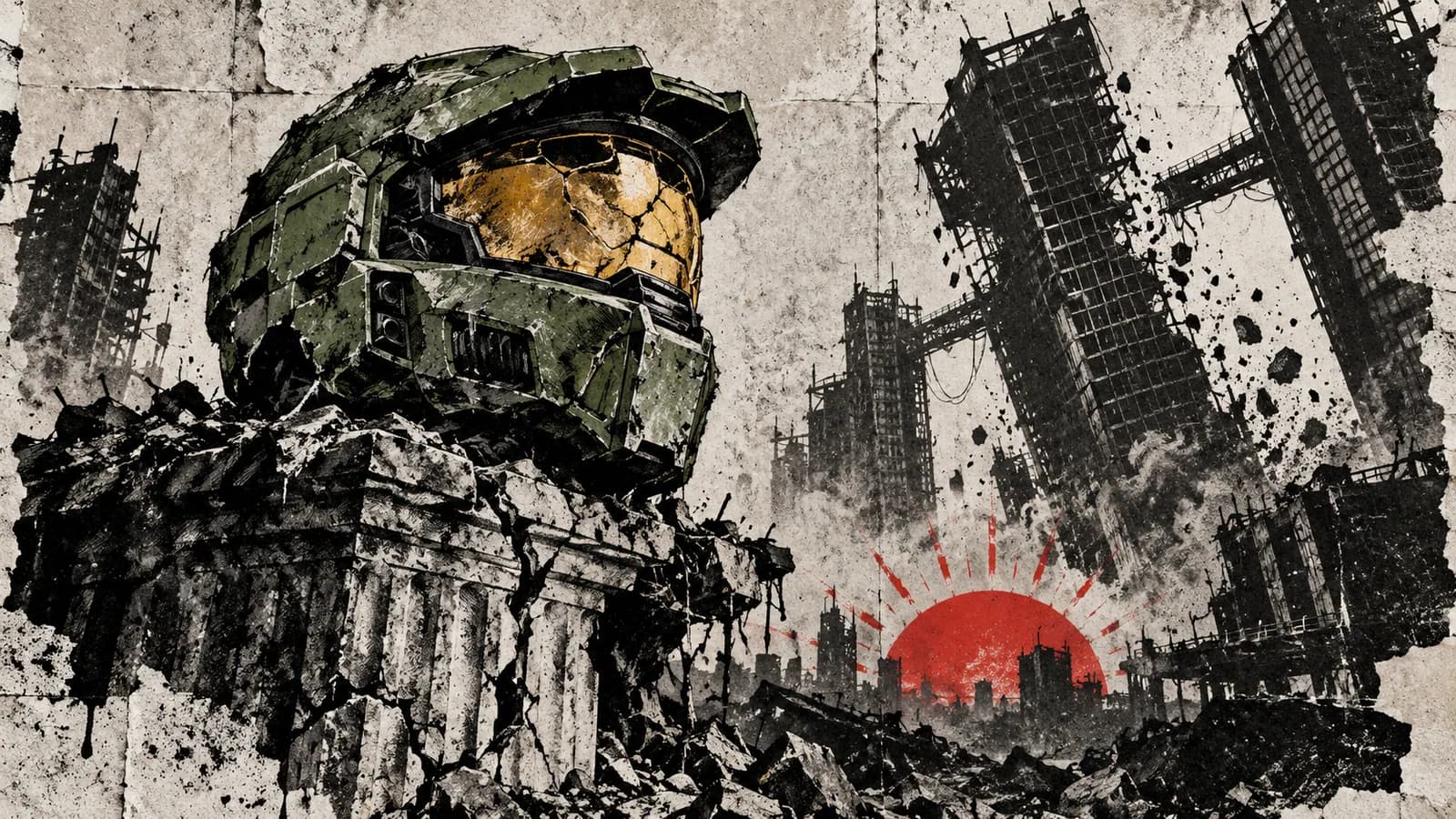
FEATURED / GAMES / 5 MIN READ
Halo Studios and the cost of losing the thread
A fan since the original Xbox: why Halo’s fall hurts, and why I am genuinely excited about Activision taking it on.
Read the essayTHE COLLECTION / 2025—2026
Follow a thread.
Marketing, sales, automotive, games.
And racing, because I love it.
40 articles
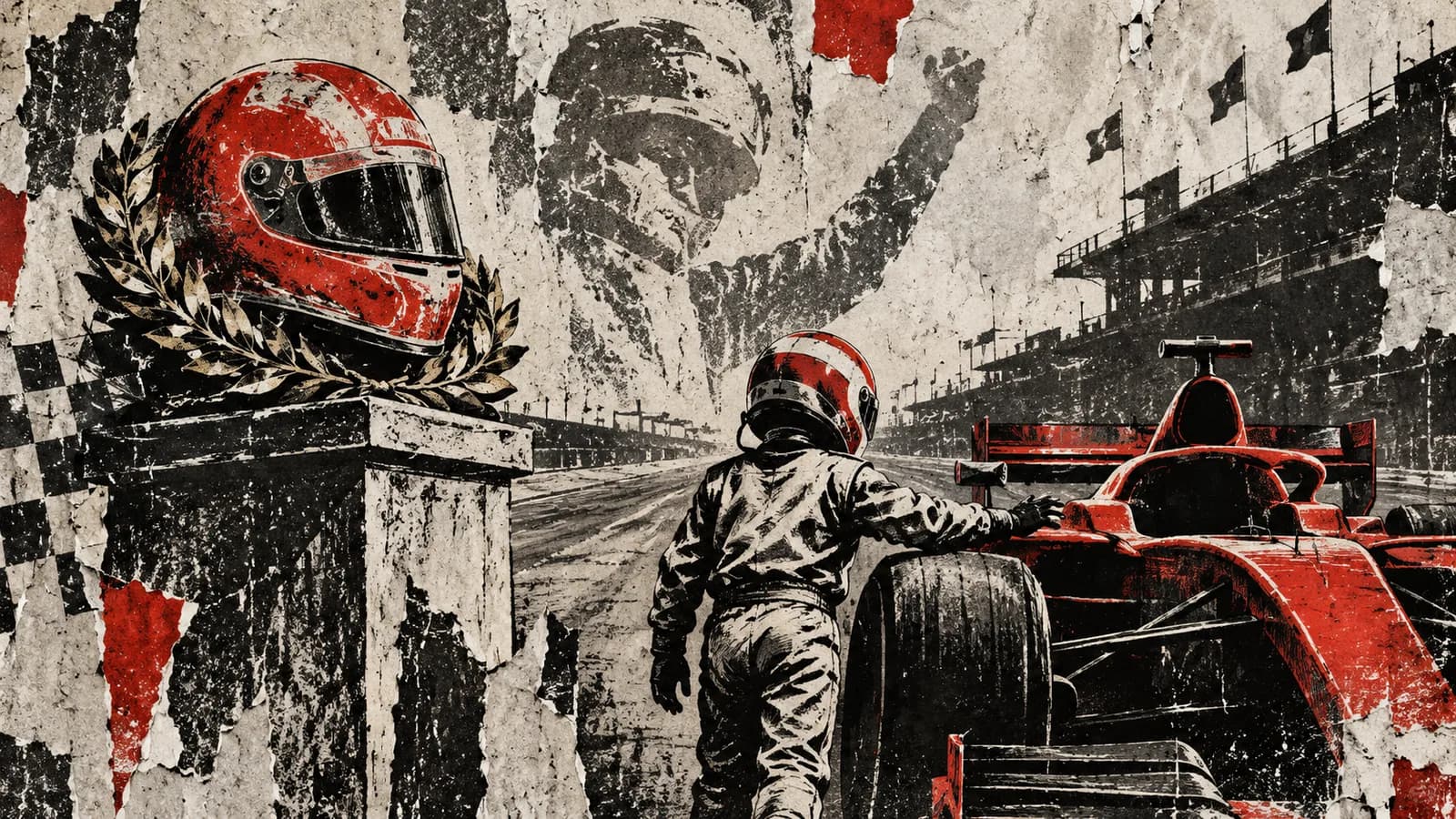
I love Lewis. Ferrari’s seat is not a lifetime achievement award.
Keep the legend close. Give the next generation the cockpit.
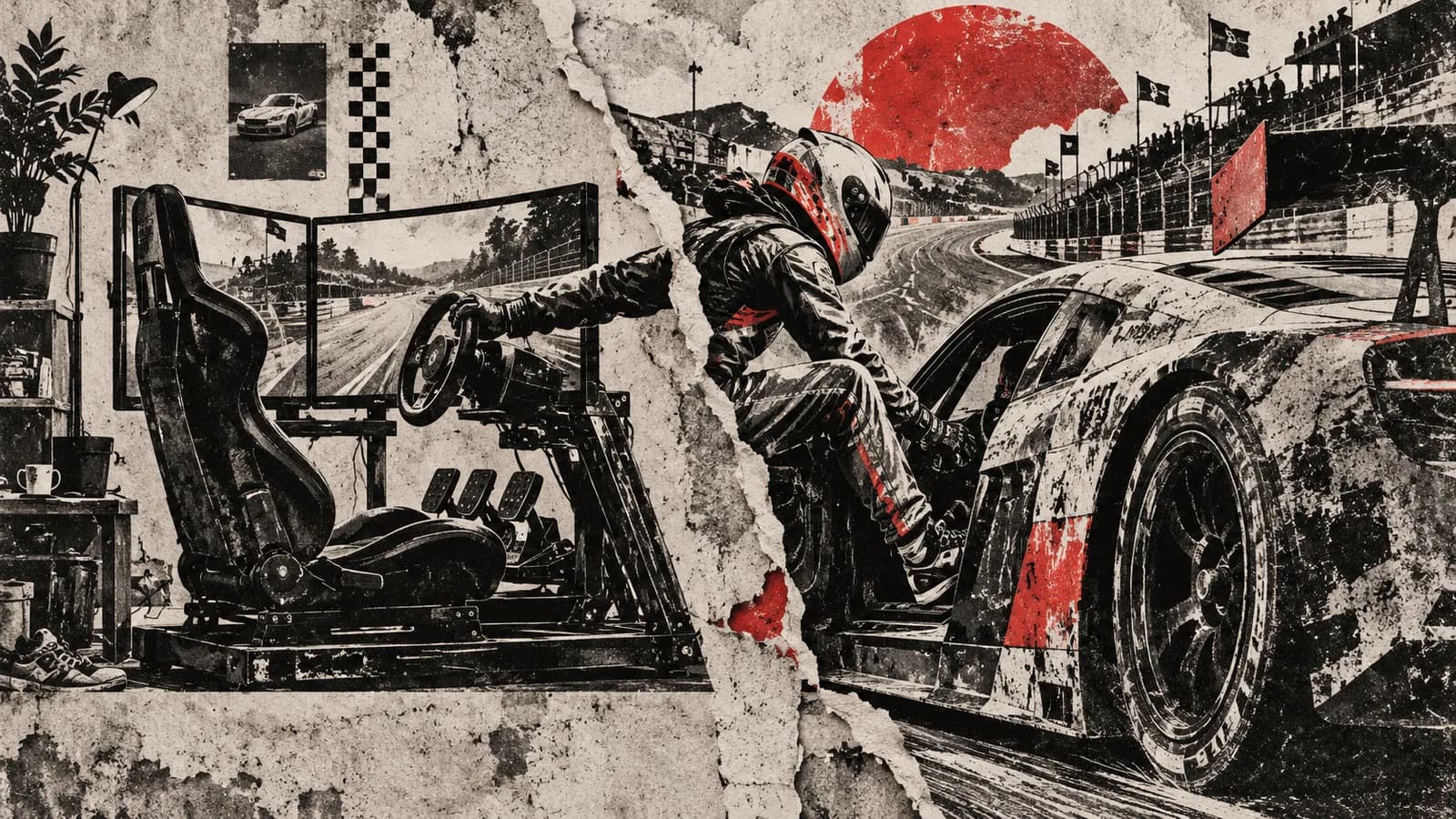
Max is opening a door the racing ladder keeps charging for
Sim talent becoming a real GT3 seat is the Verstappen story I want more of.
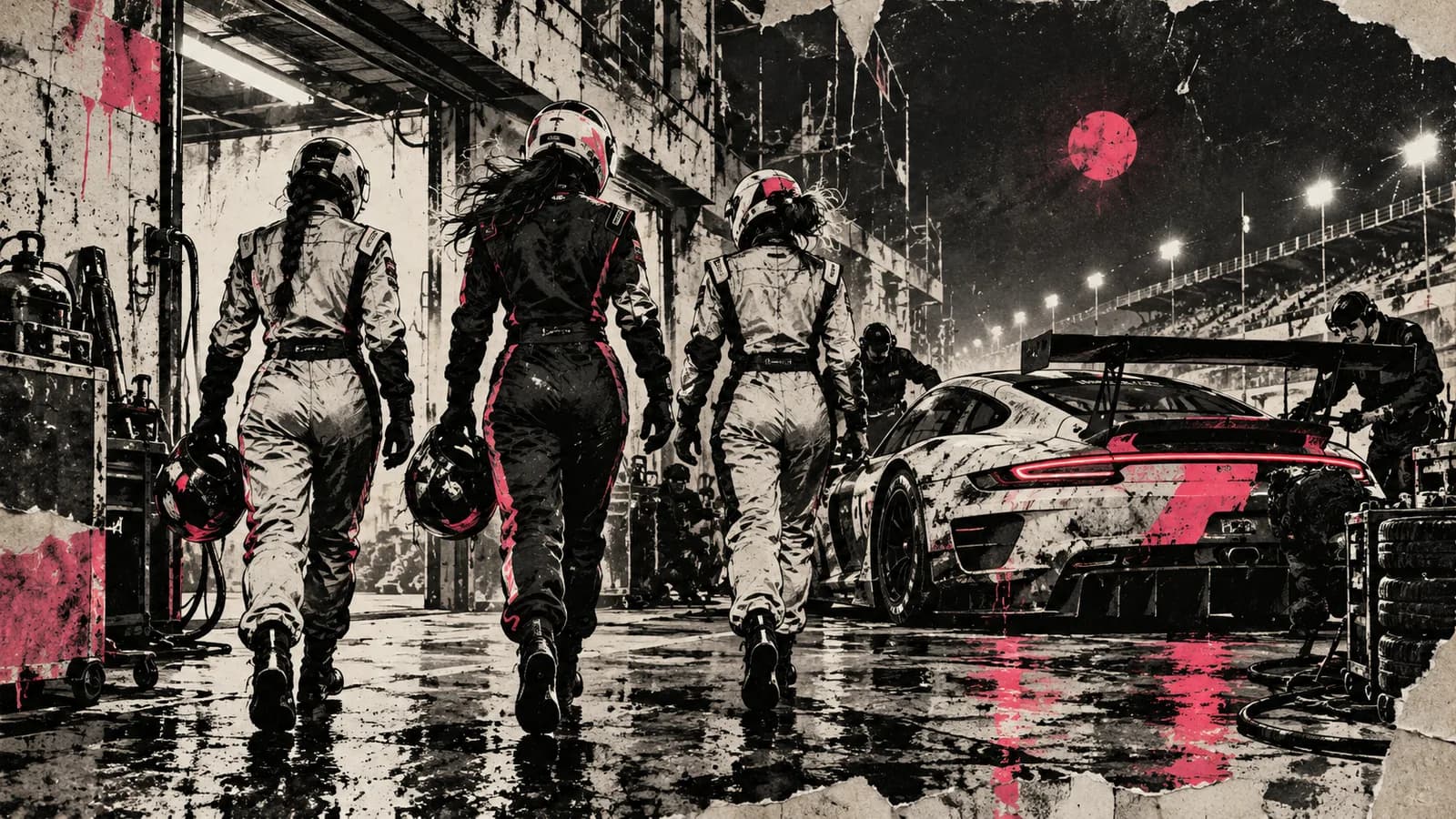
Iron Dames: less permission, more racing
This is what I want women in motorsport to look like: competitors you have to beat.
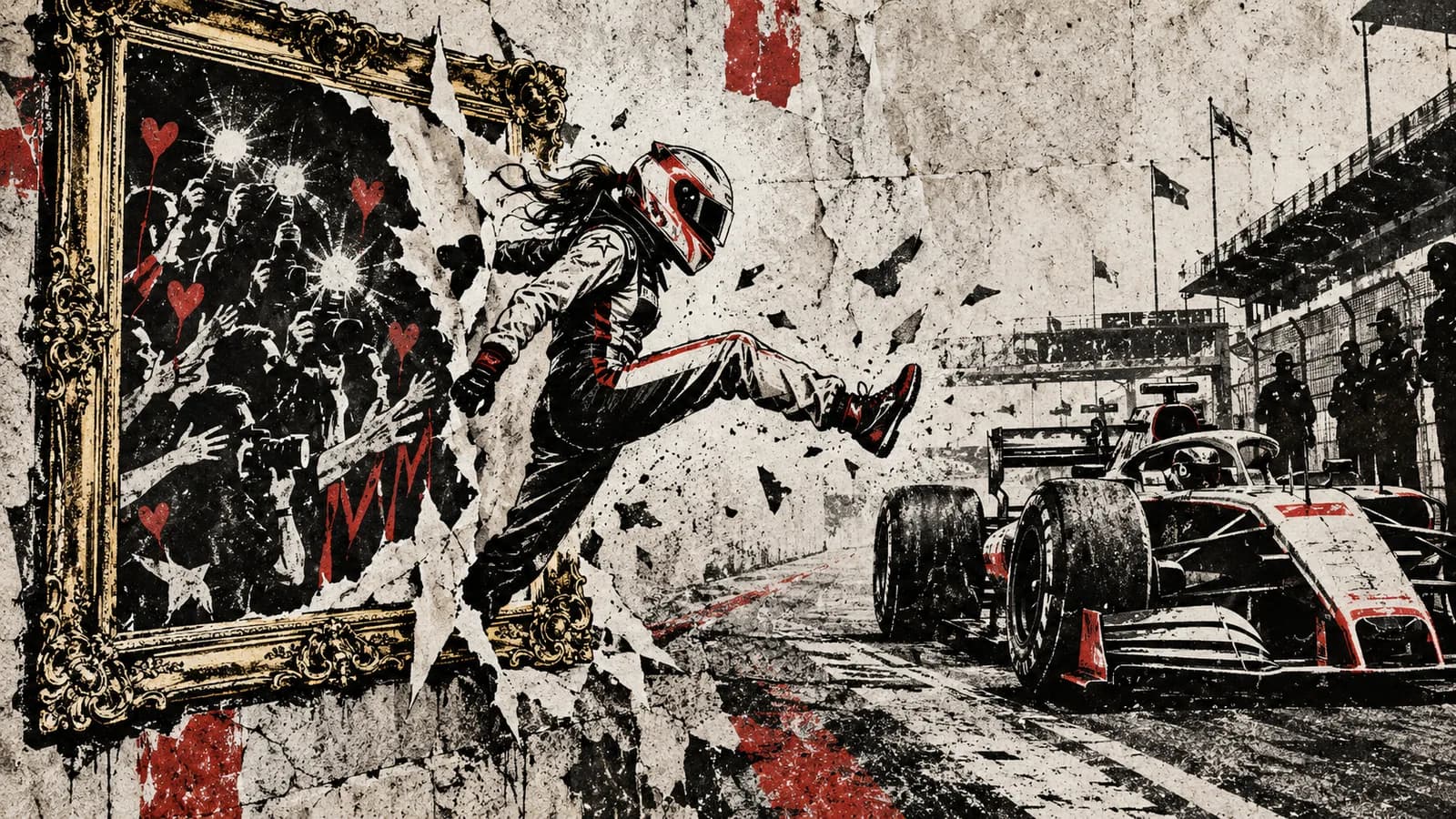
I love F1 Academy. Do not make it a waiting room.
The car does not care who is driving. I want the opportunity to catch up.
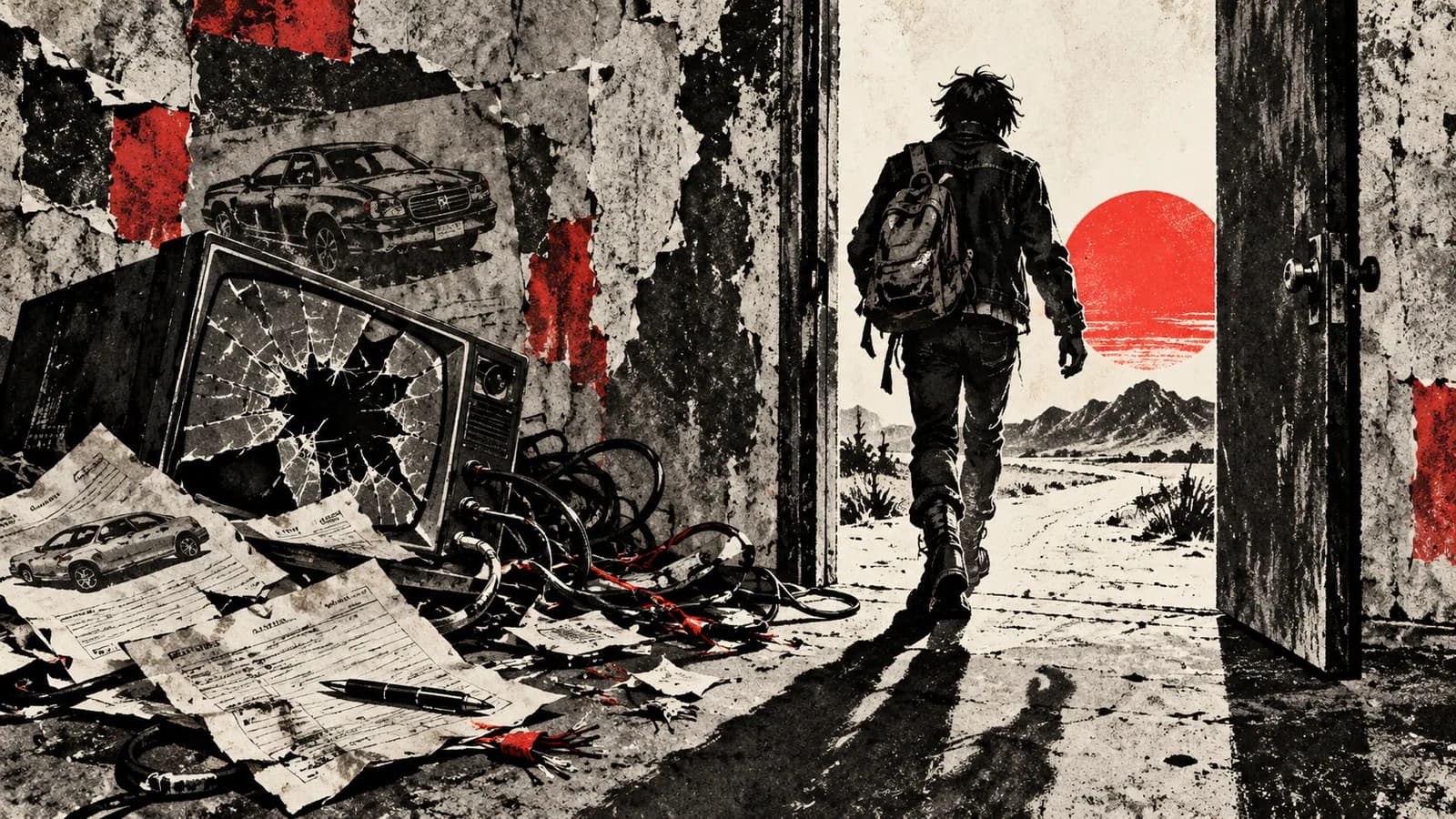
I am not going back
Carvana, streaming and the buying habits I will not surrender to preserve someone else’s old process.
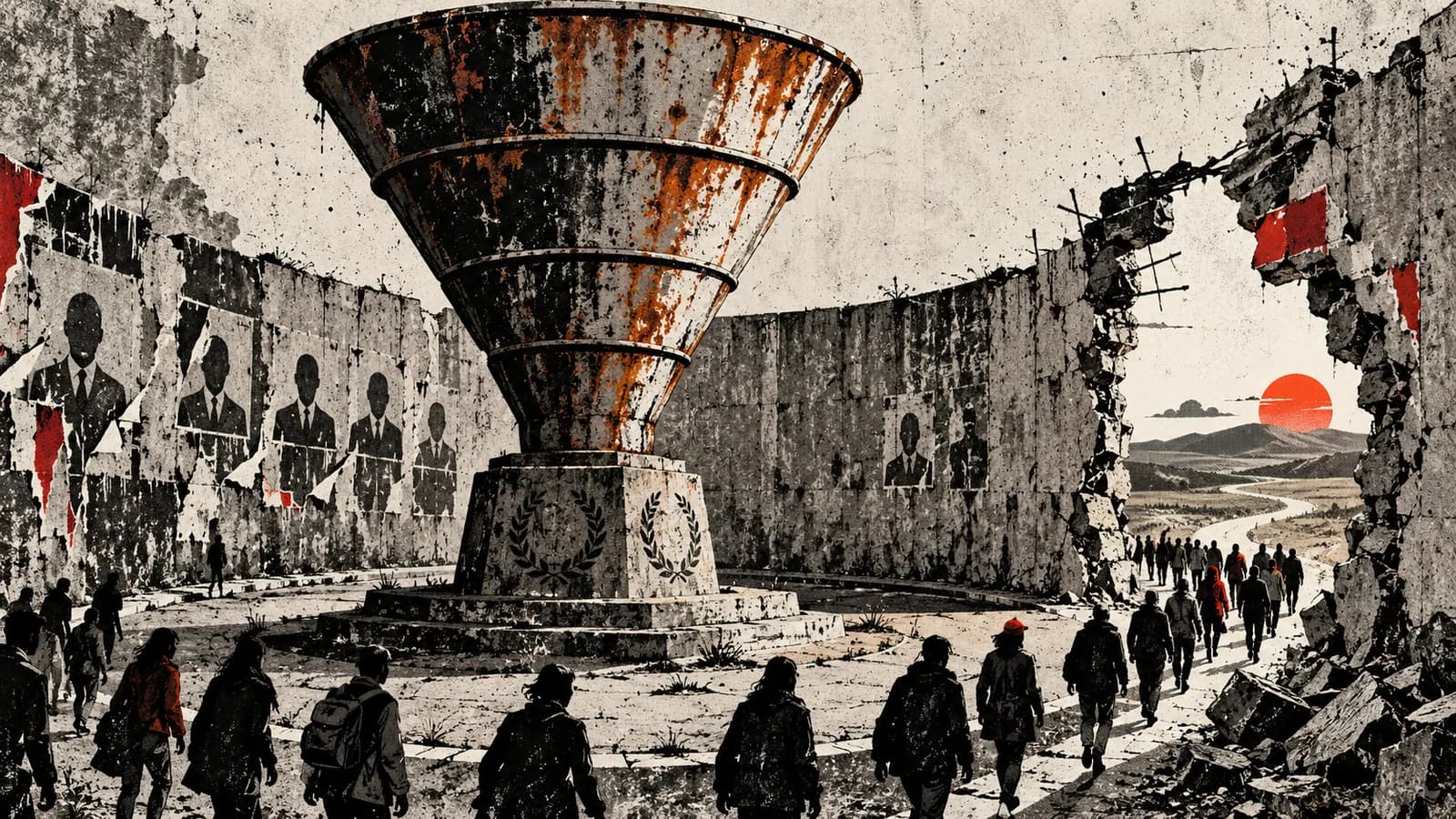
What is marketing for when the buyer wants you out of the way?
Twenty years of being asked to restore the old numbers while the old assumptions remain off limits.
Halo Studios and the cost of losing the thread
A fan since the original Xbox: why Halo’s fall hurts, and why I am genuinely excited about Activision taking it on.
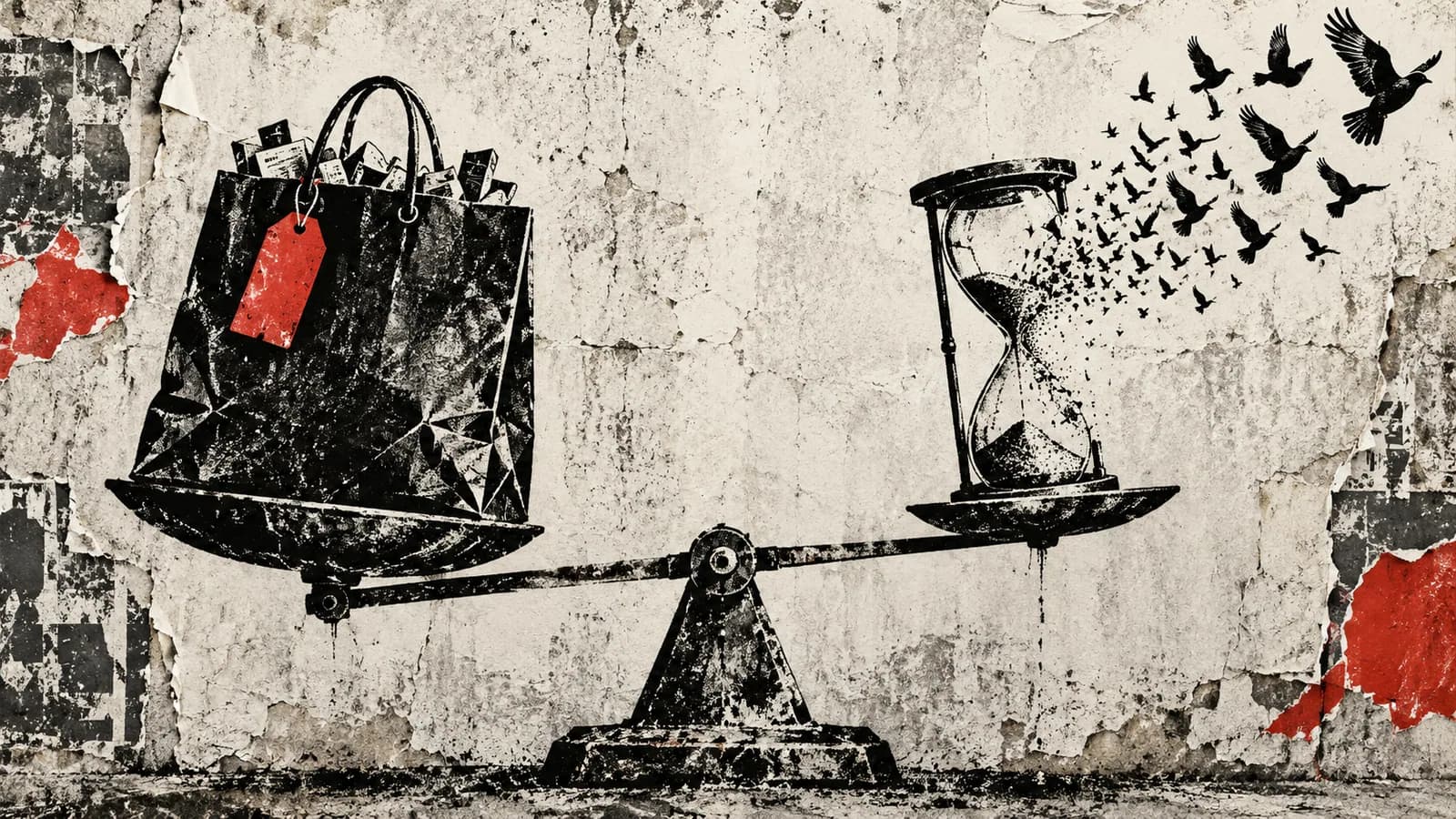
Convenience is worth more than the lowest price
The lowest price is not the whole decision. Control and an afternoon I get to keep have value too.
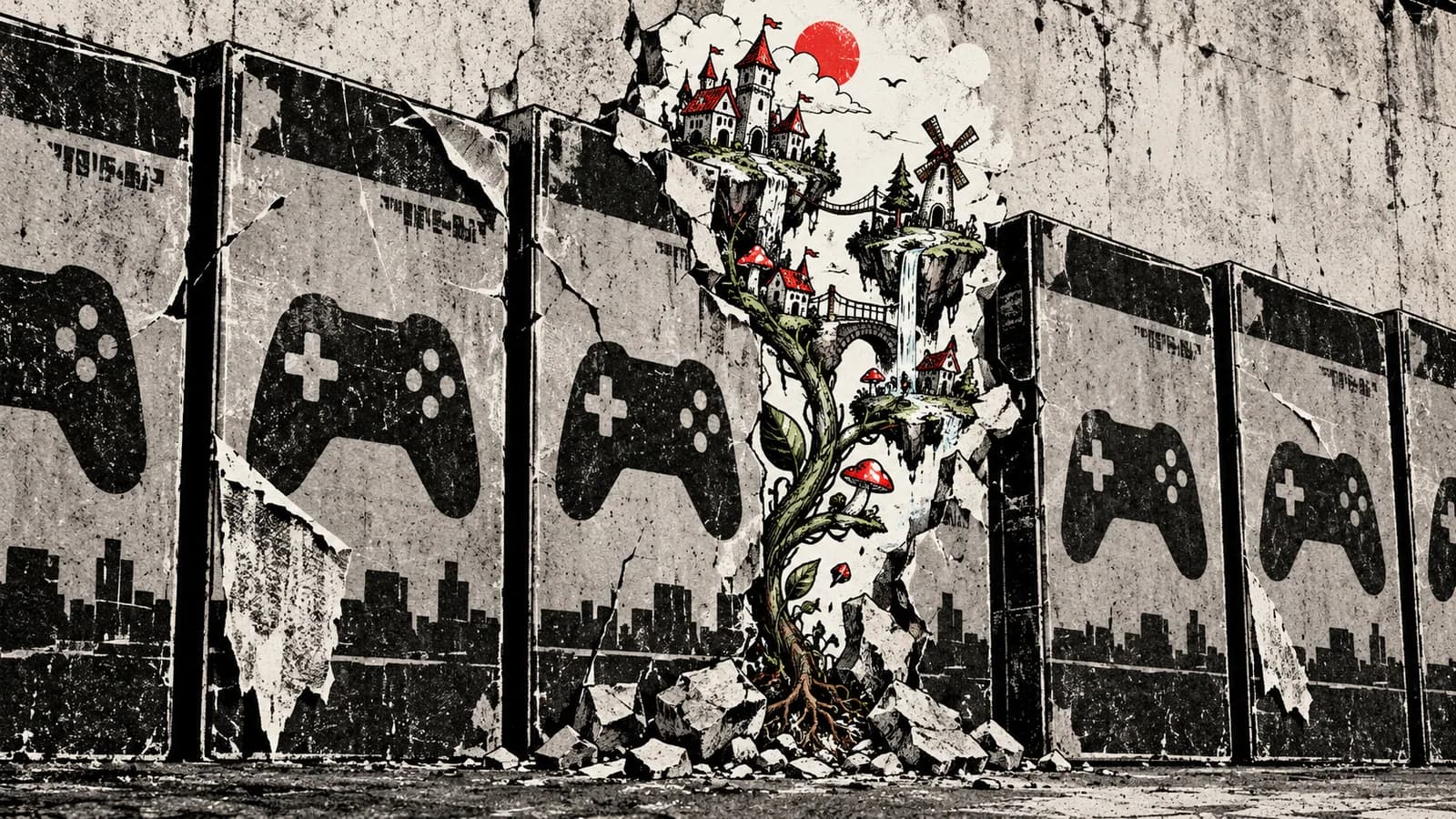
Where smaller games can still surprise us
A precise, unusual idea can offer something that another enormous feature list cannot.
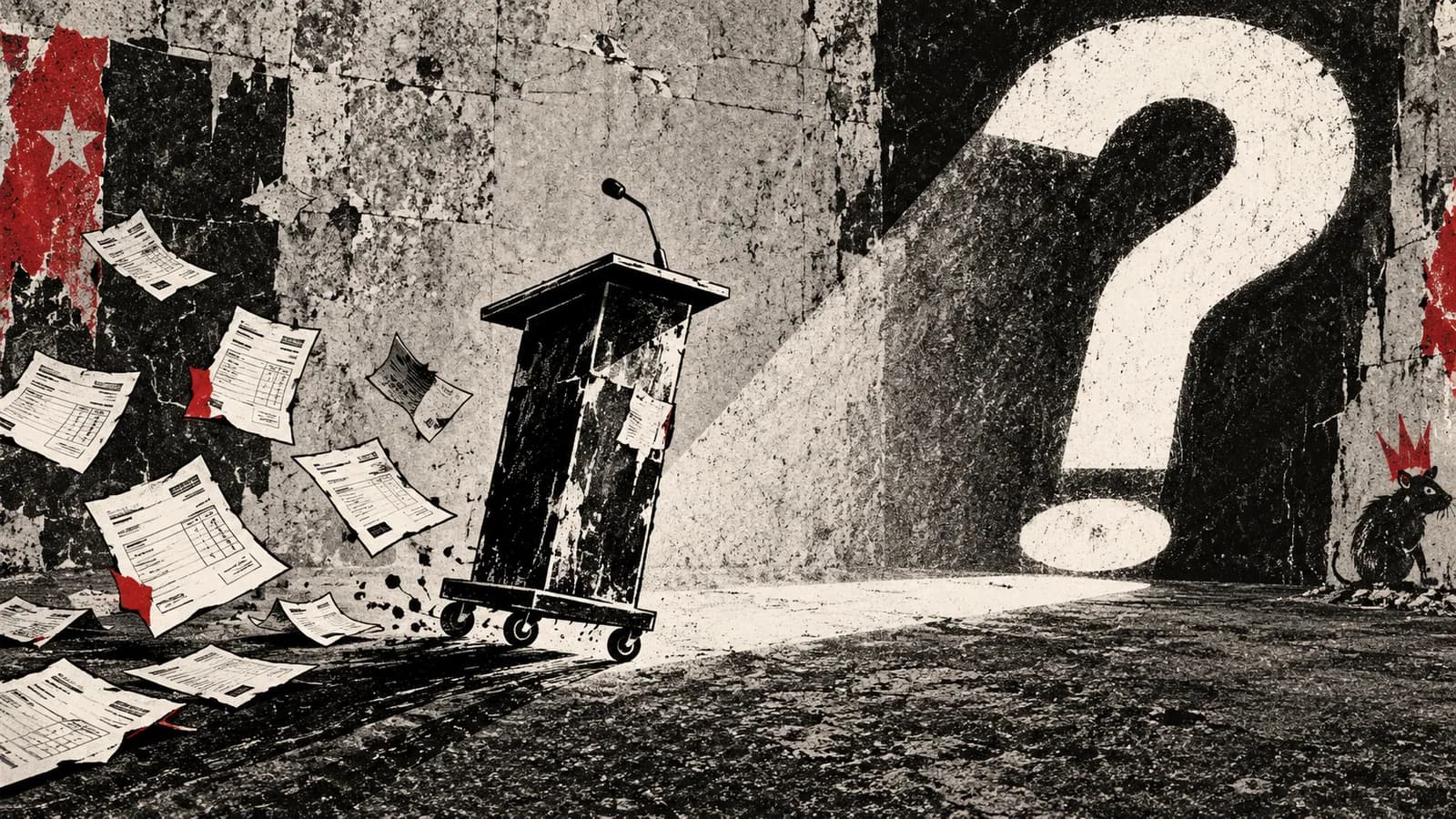
Who holds the dealership expert accountable?
The consultant gets another stage. The client gets to live with what happened after the last one.

I can make the decision. Let me buy the thing.
I value guidance when I choose it. I do not need permission to make my own purchasing decisions.
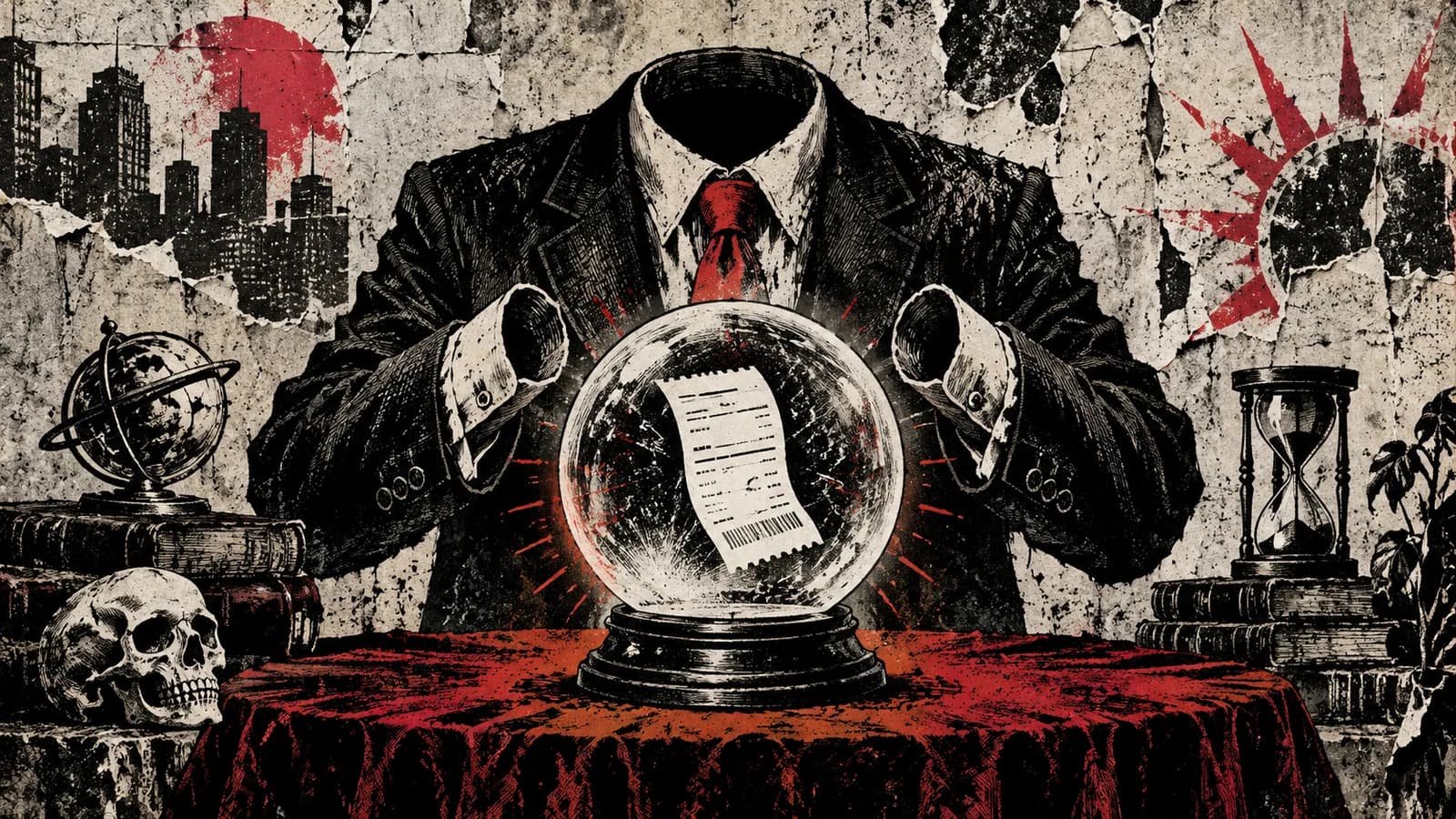
Business fortune tellers
Keyword personas, borrowed certainty and the business-advice economy’s astonishing talent for wasting time.
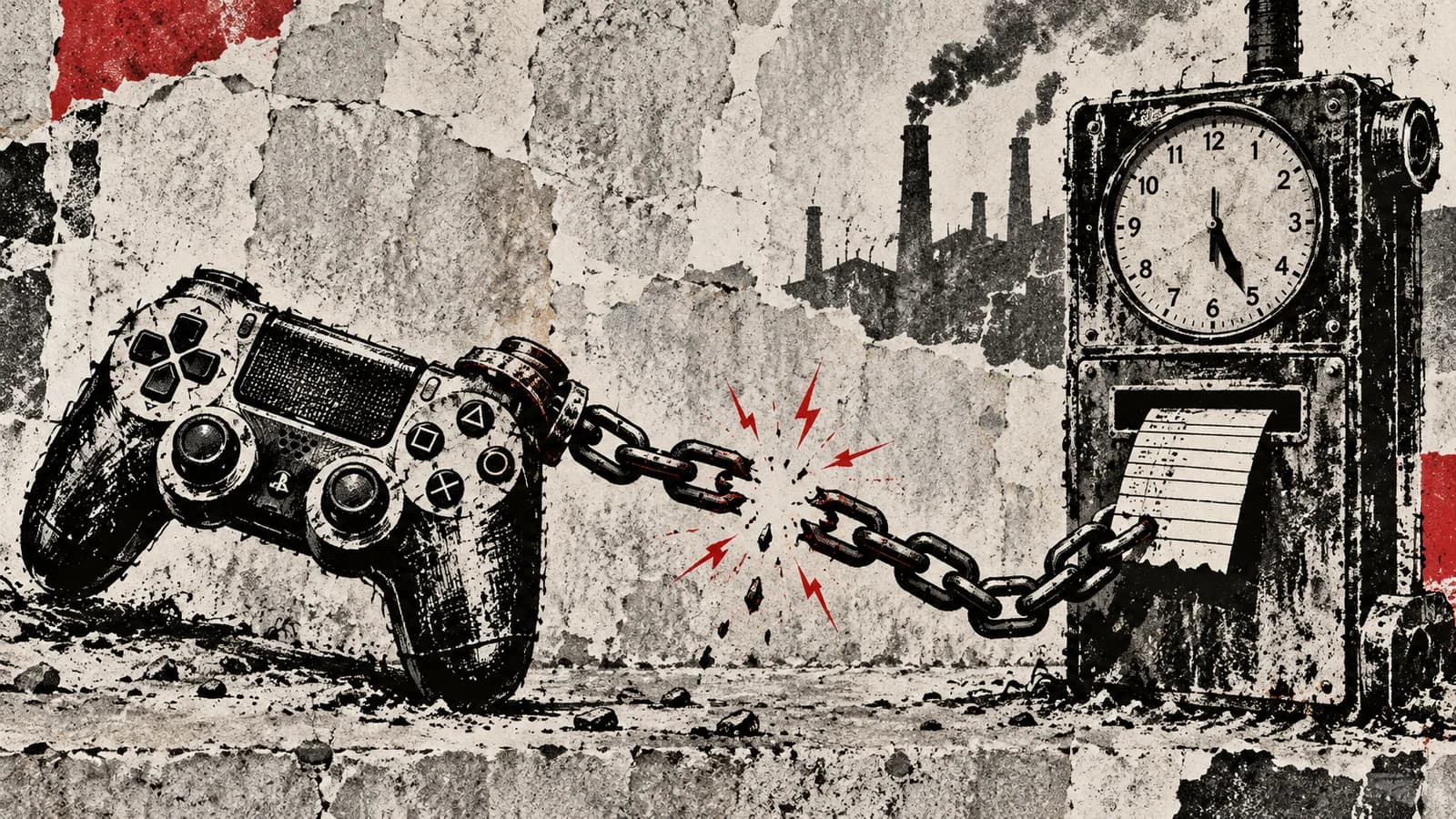
A good game does not need to become your second job
A game can ask for skill, curiosity and imagination without taking ownership of your calendar.
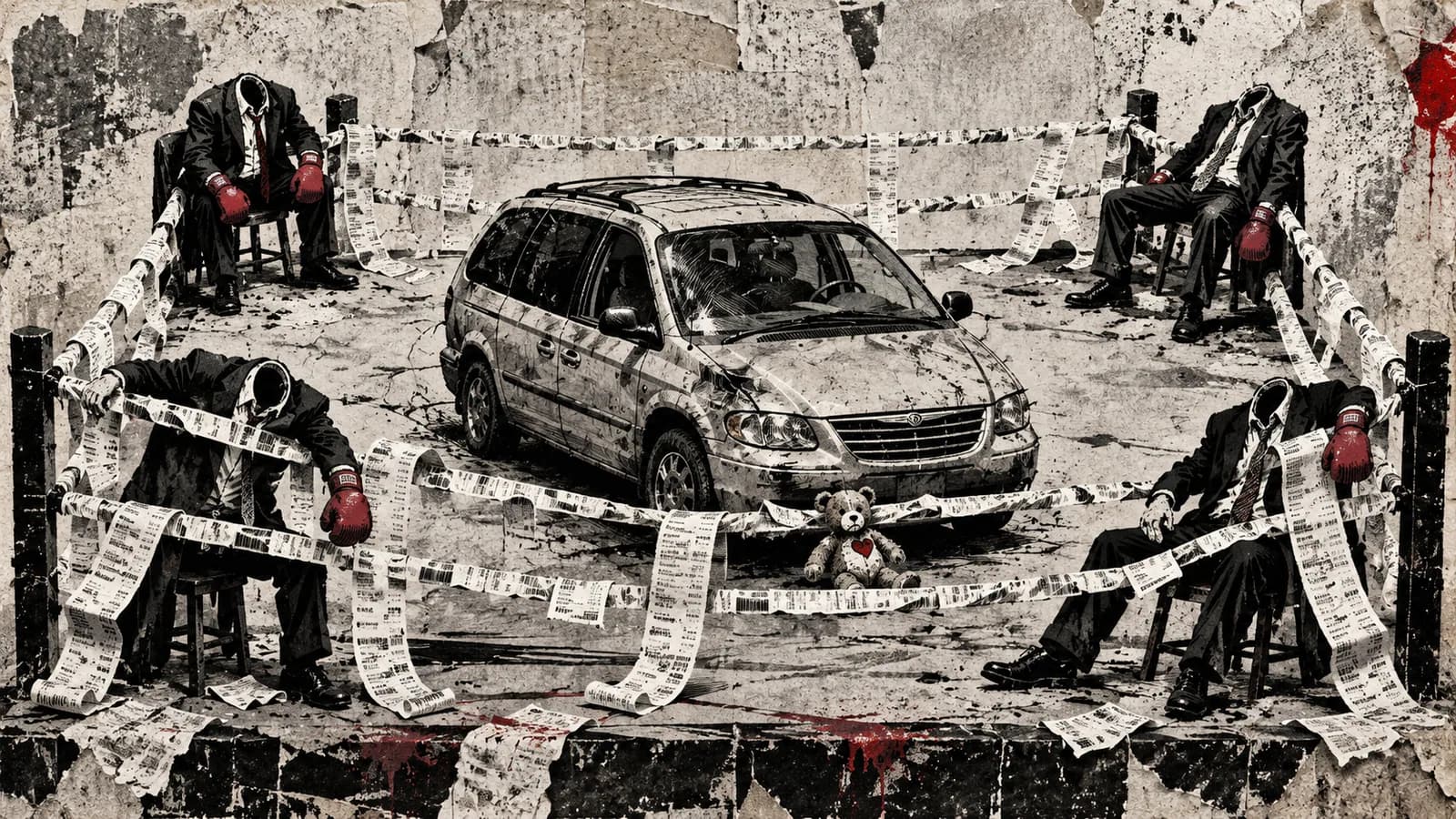
Buying a car should not require winning a negotiation
A price should explain an offer. It should not test how much resistance the customer can sustain.
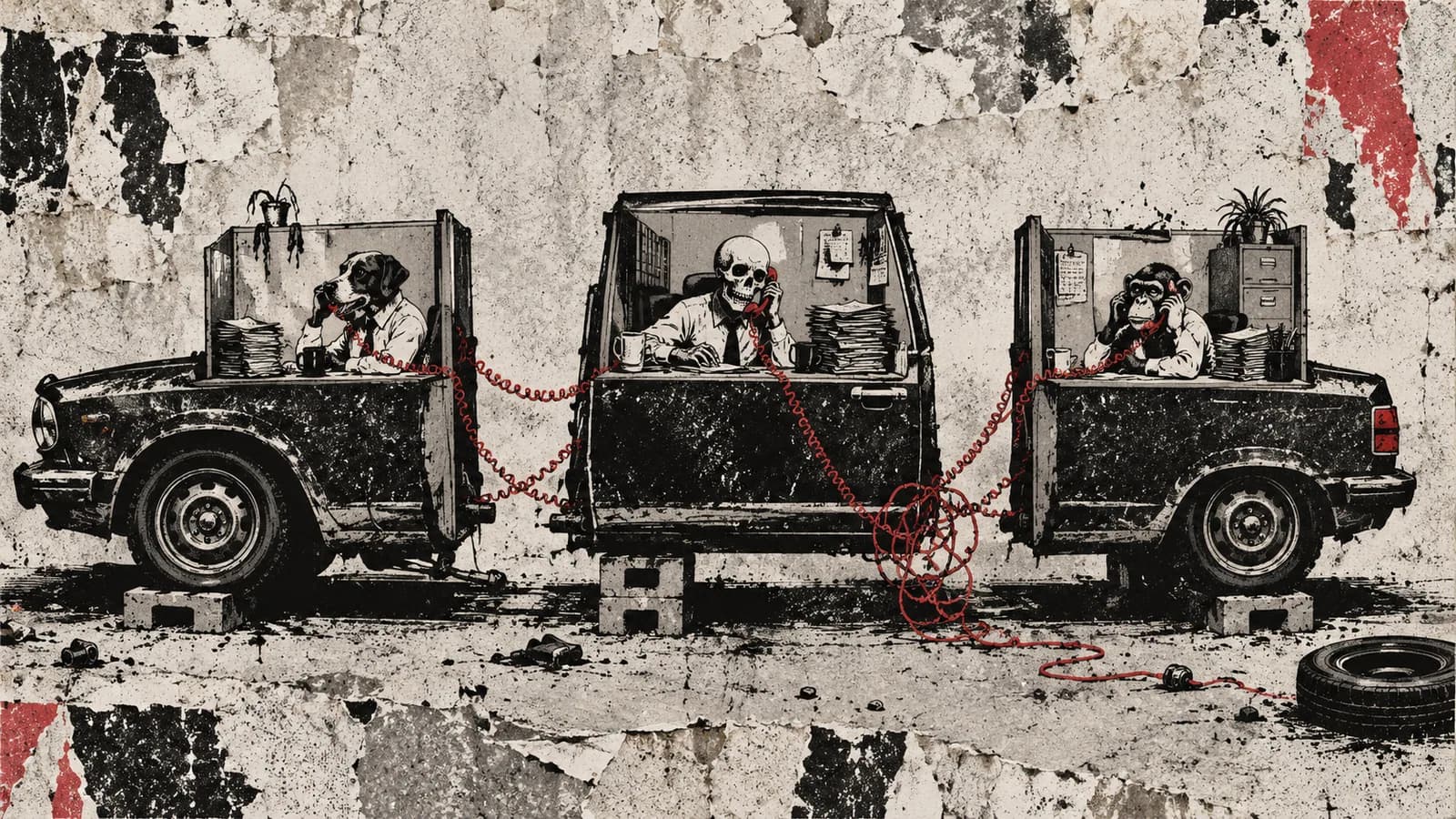
The showroom, the service lane and the same customer
The customer remains one person, even when your departments insist on starting the relationship over.
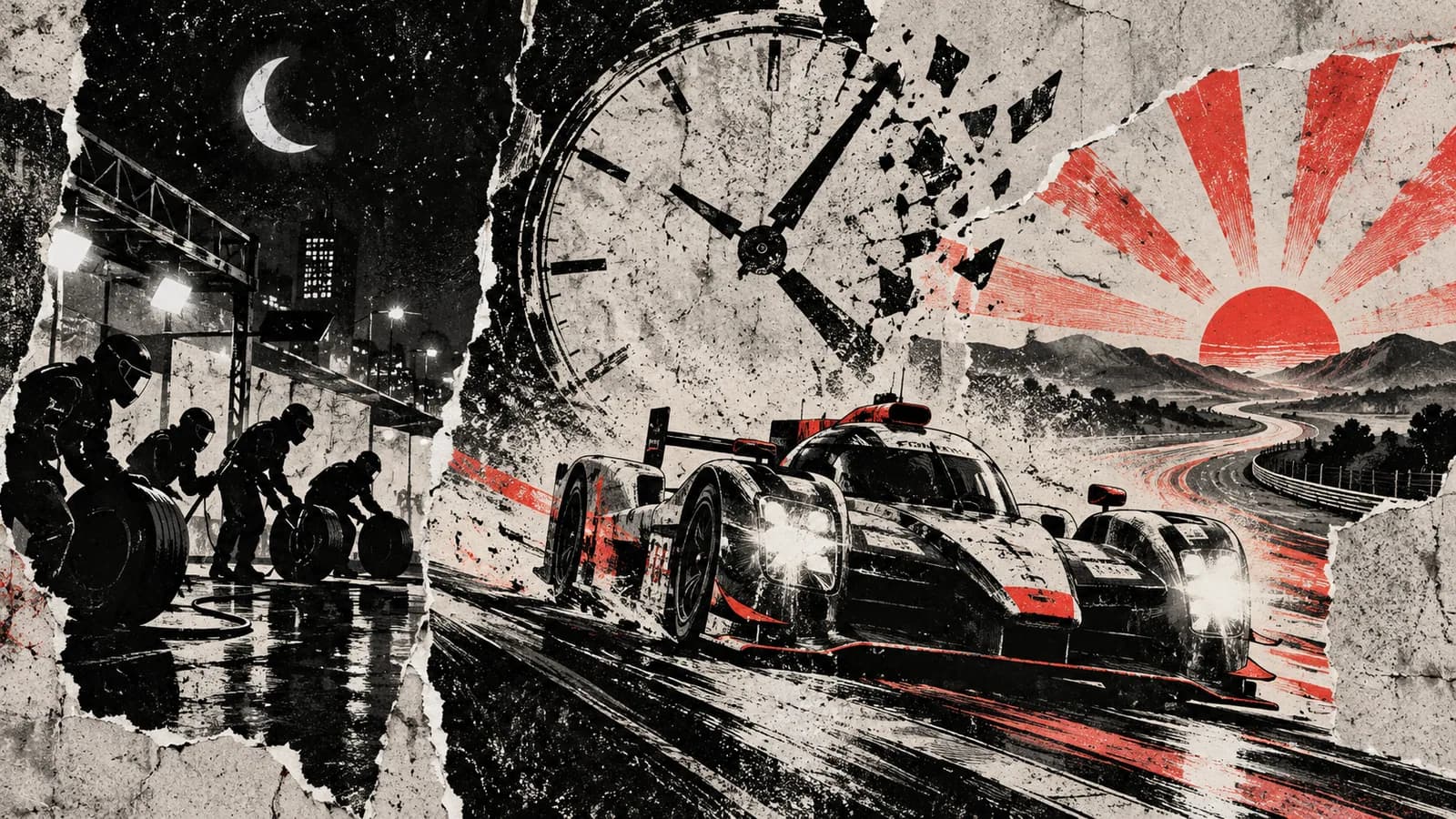
Le Mans does not owe Ferrari a damn thing. I am still furious.
The 50 stops, the 51 keeps going, and the race refuses to care what we wanted.
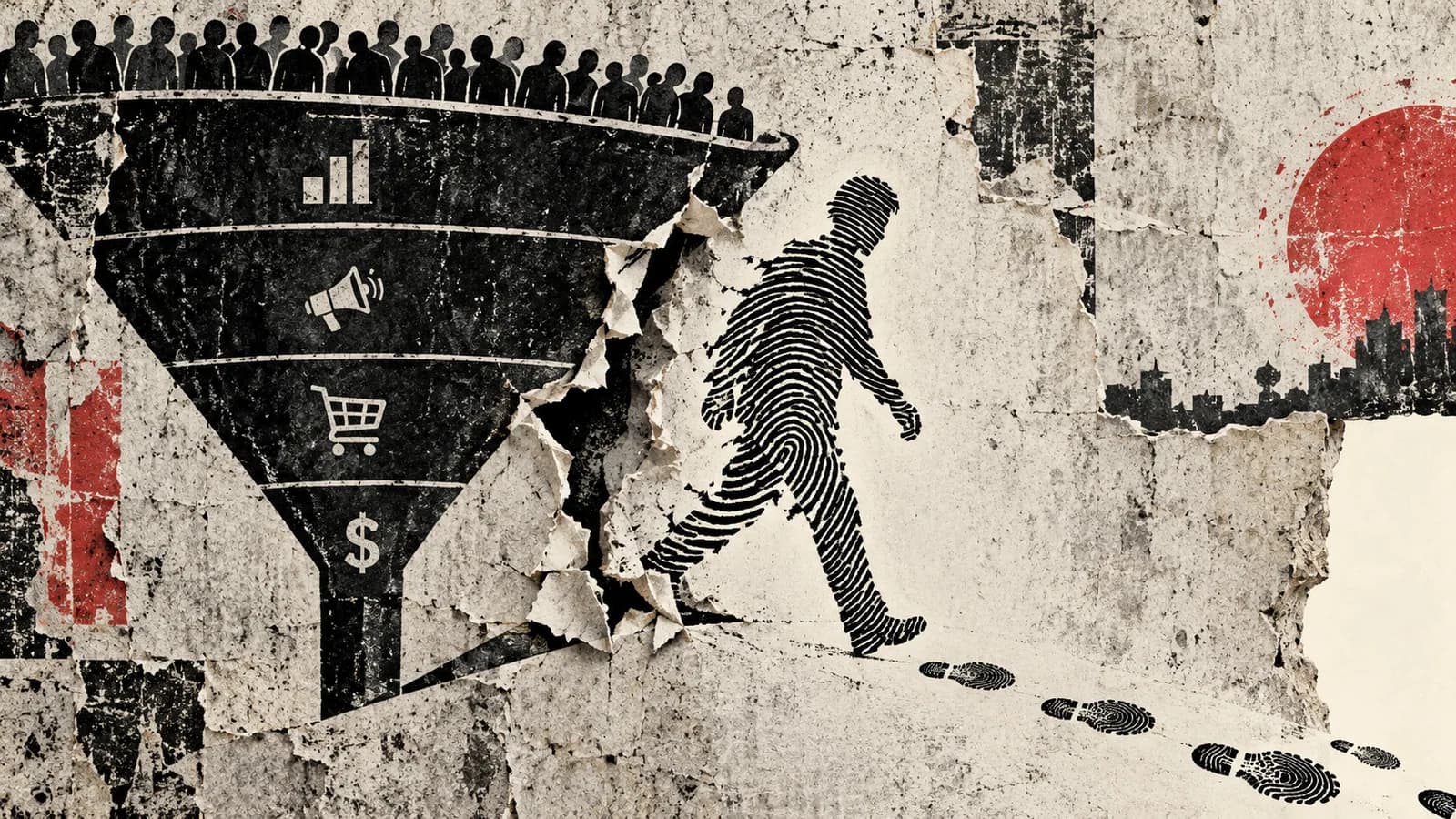
The customer who never became a lead
Some customers want to buy without becoming a project for your sales team.
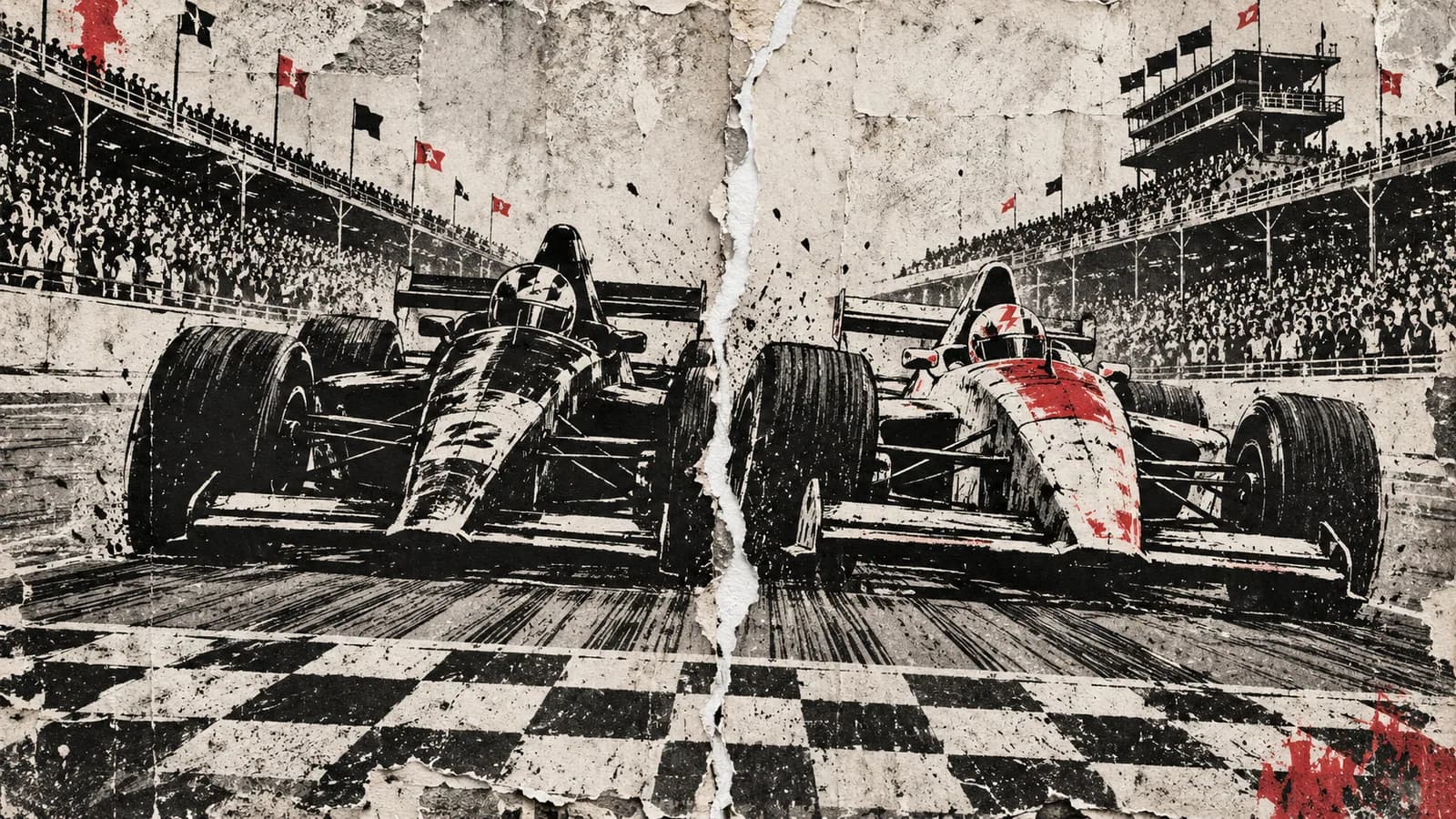
Pato, I cannot keep doing this
Indy keeps finding new ways to make “close” feel like an insult.
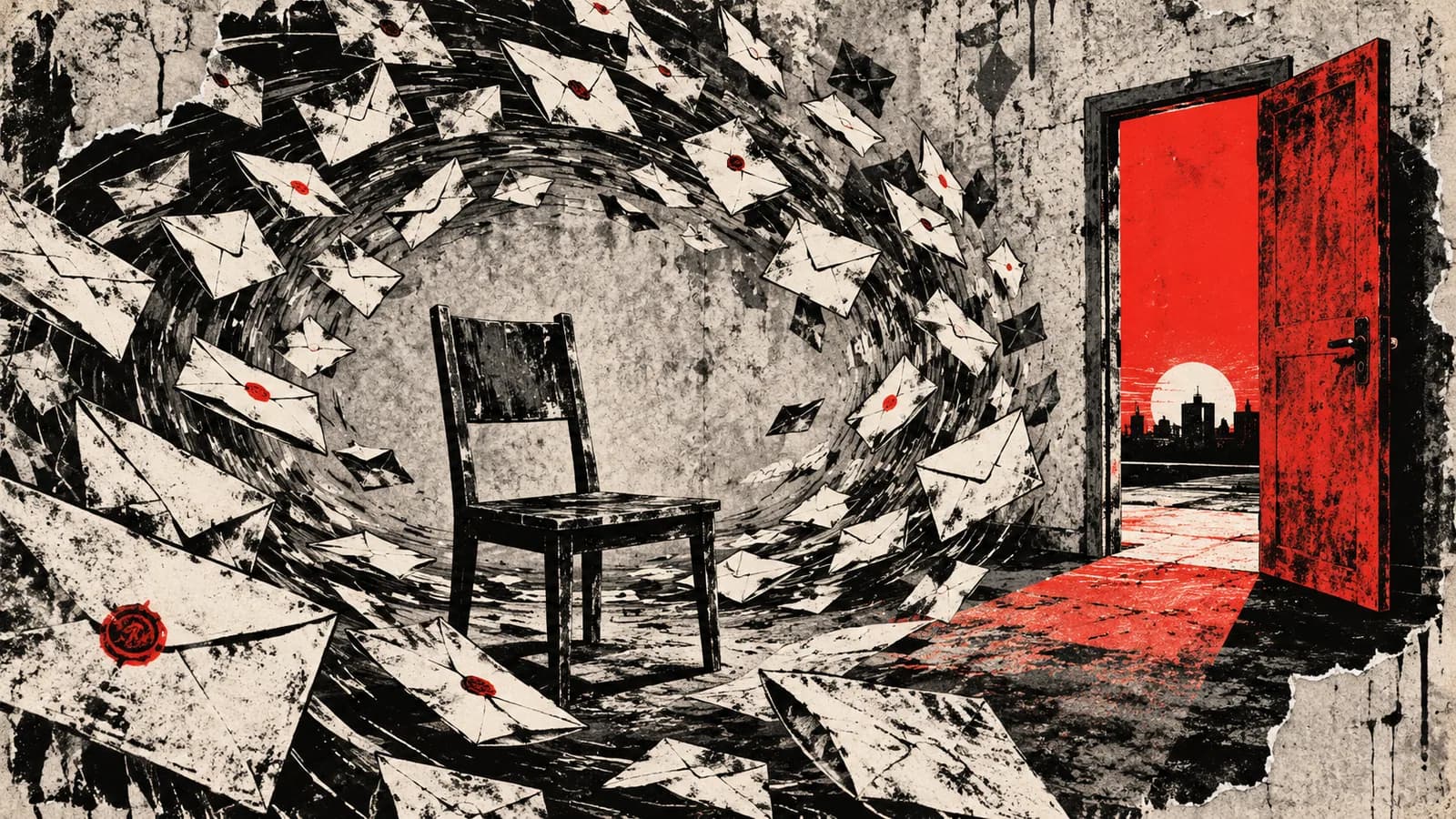
The follow-up machine cannot take a hint
A company that cannot take a hint, now equipped with an unlimited texting plan.
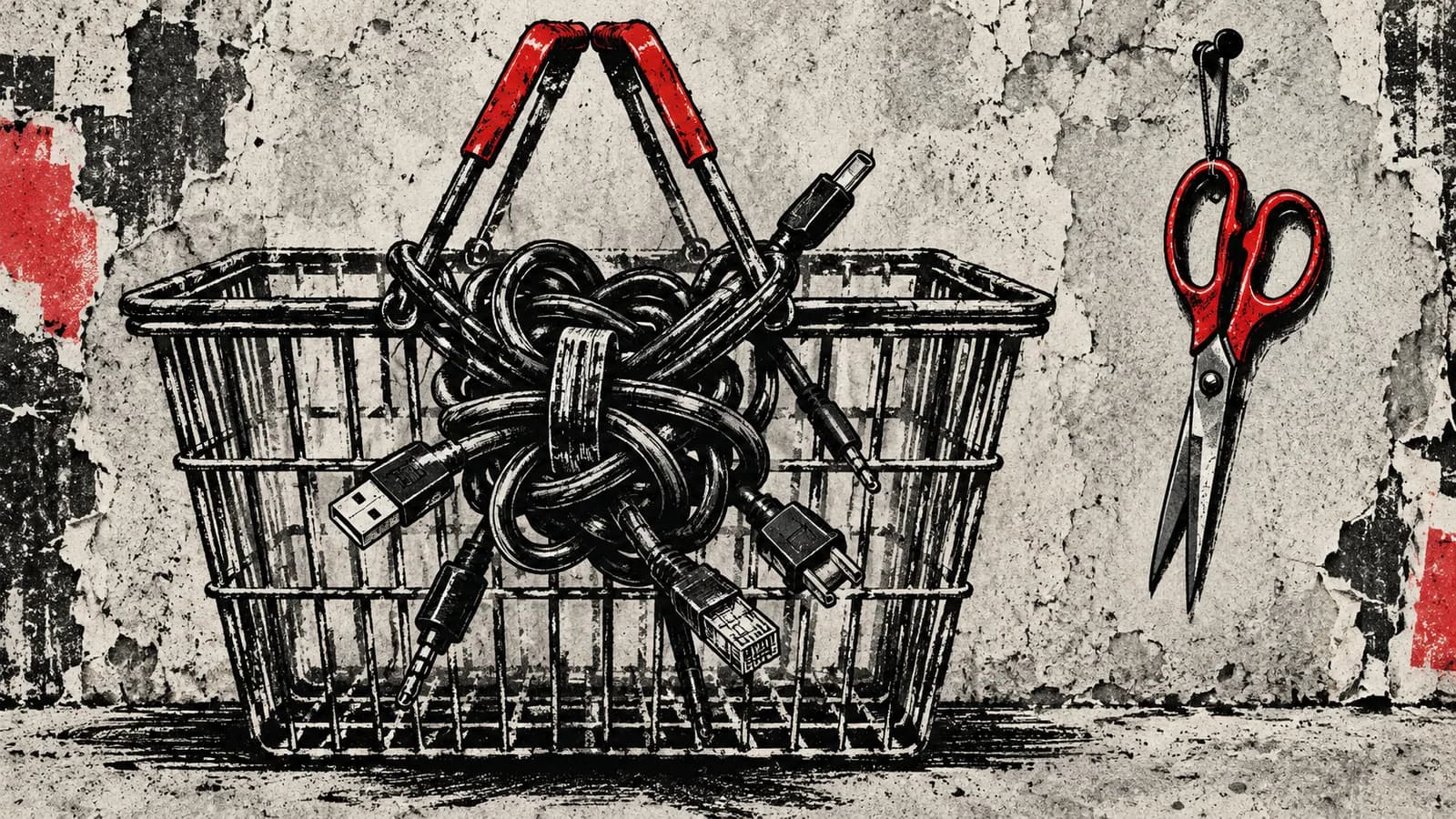
Complexity is not permission to hold the checkout hostage
A complicated purchase needs accessible expertise. It does not need a compulsory closing process.
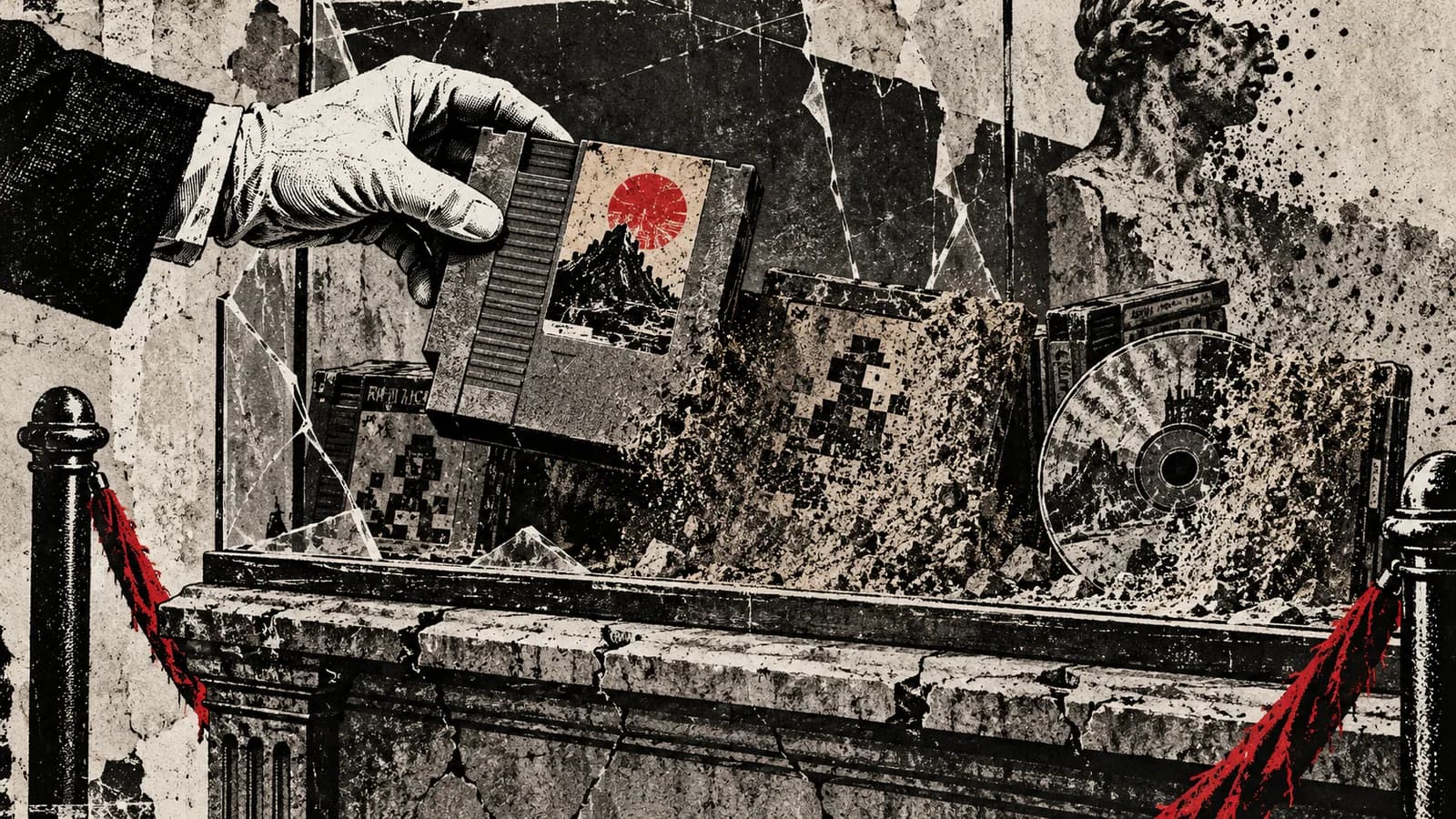
Who gets to preserve the games we grew up with?
Commercial availability is not the same as preservation. The forgotten games belong to history too.
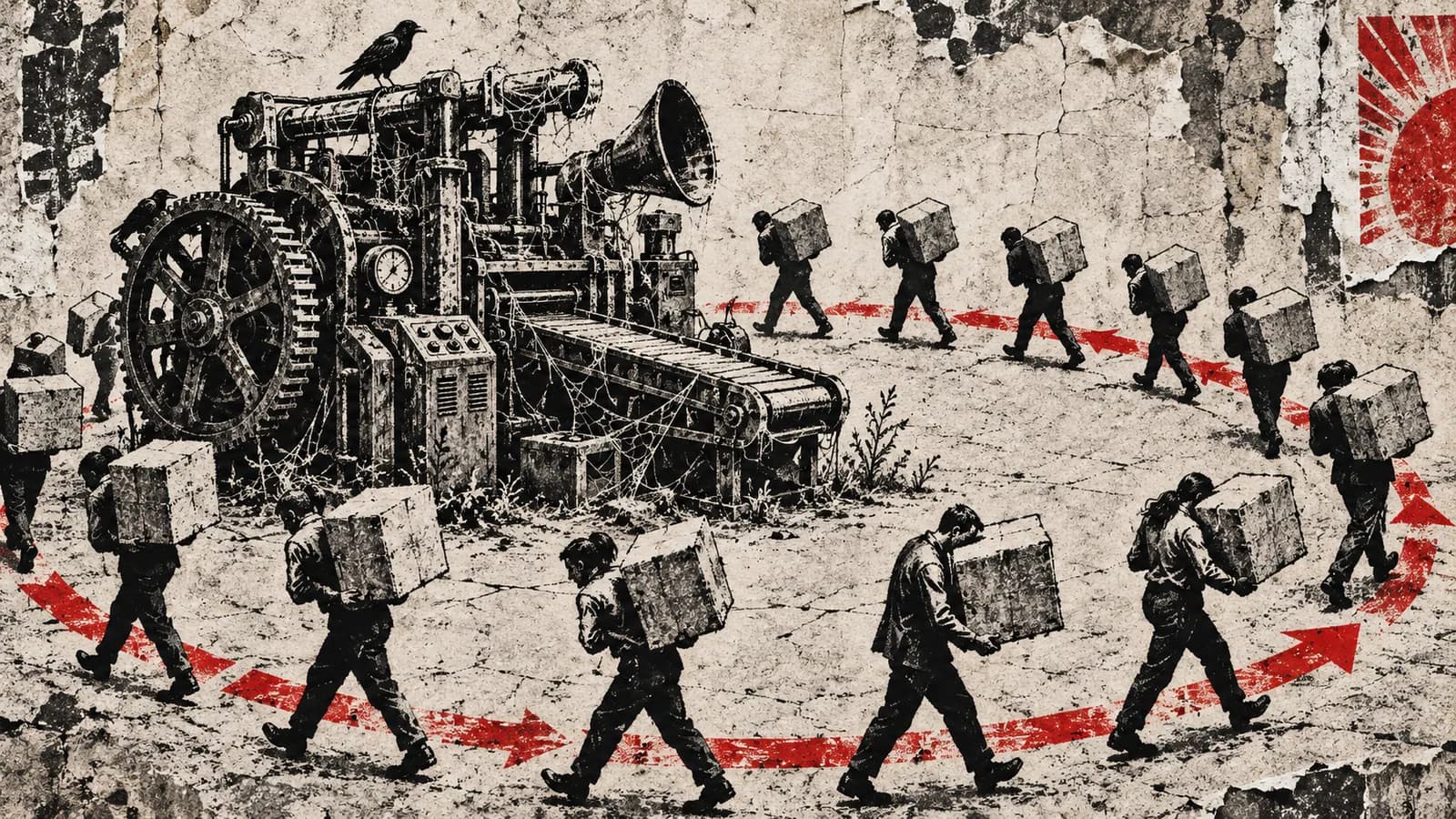
The system was fine. Nobody fucking used it.
The launch had perfect employees. Tuesday had the actual ones.
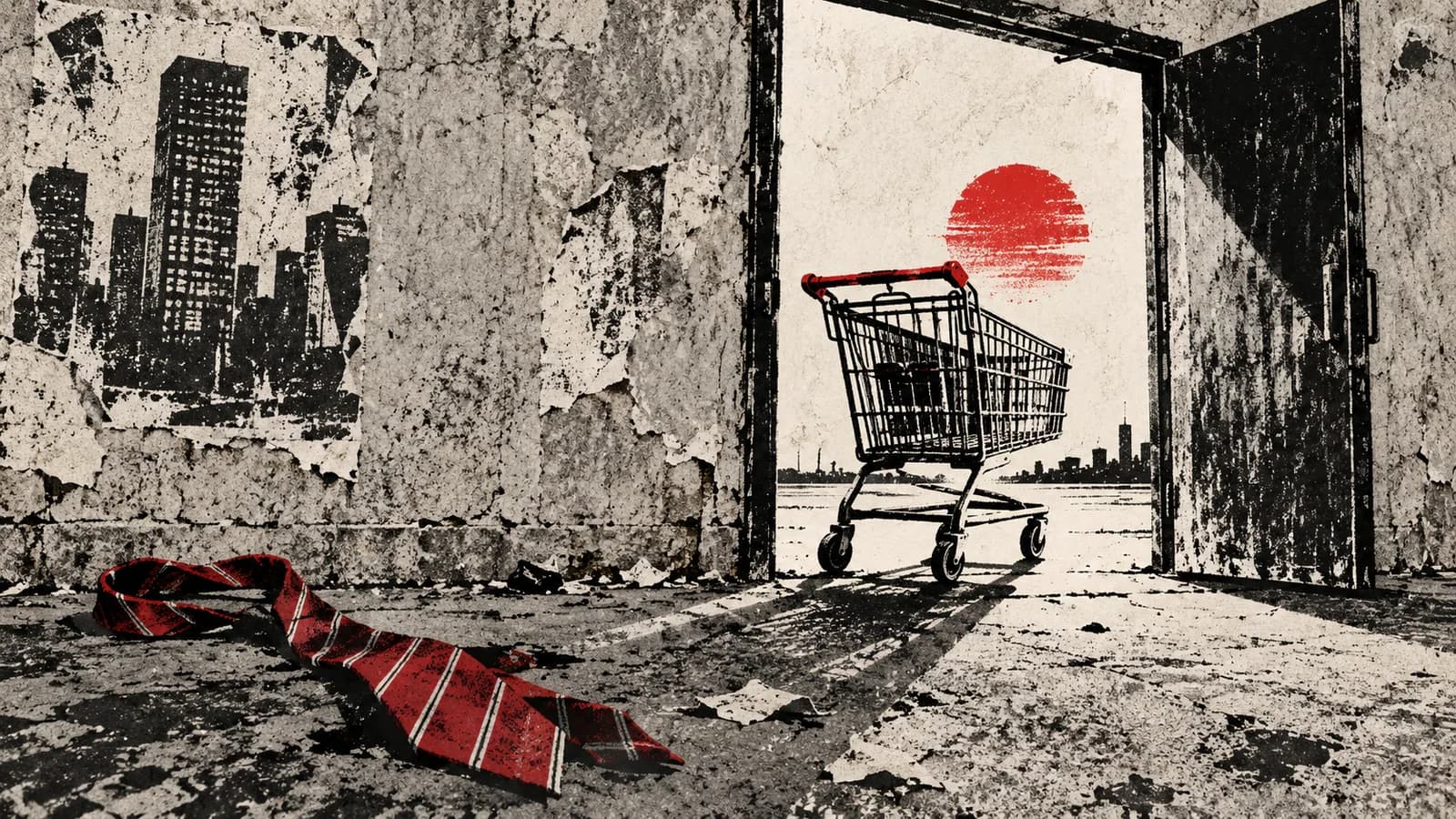
Amazon did not need to follow you around the store
A buyer can prefer an imperfect platform because it lets them finish the task without a sales performance.
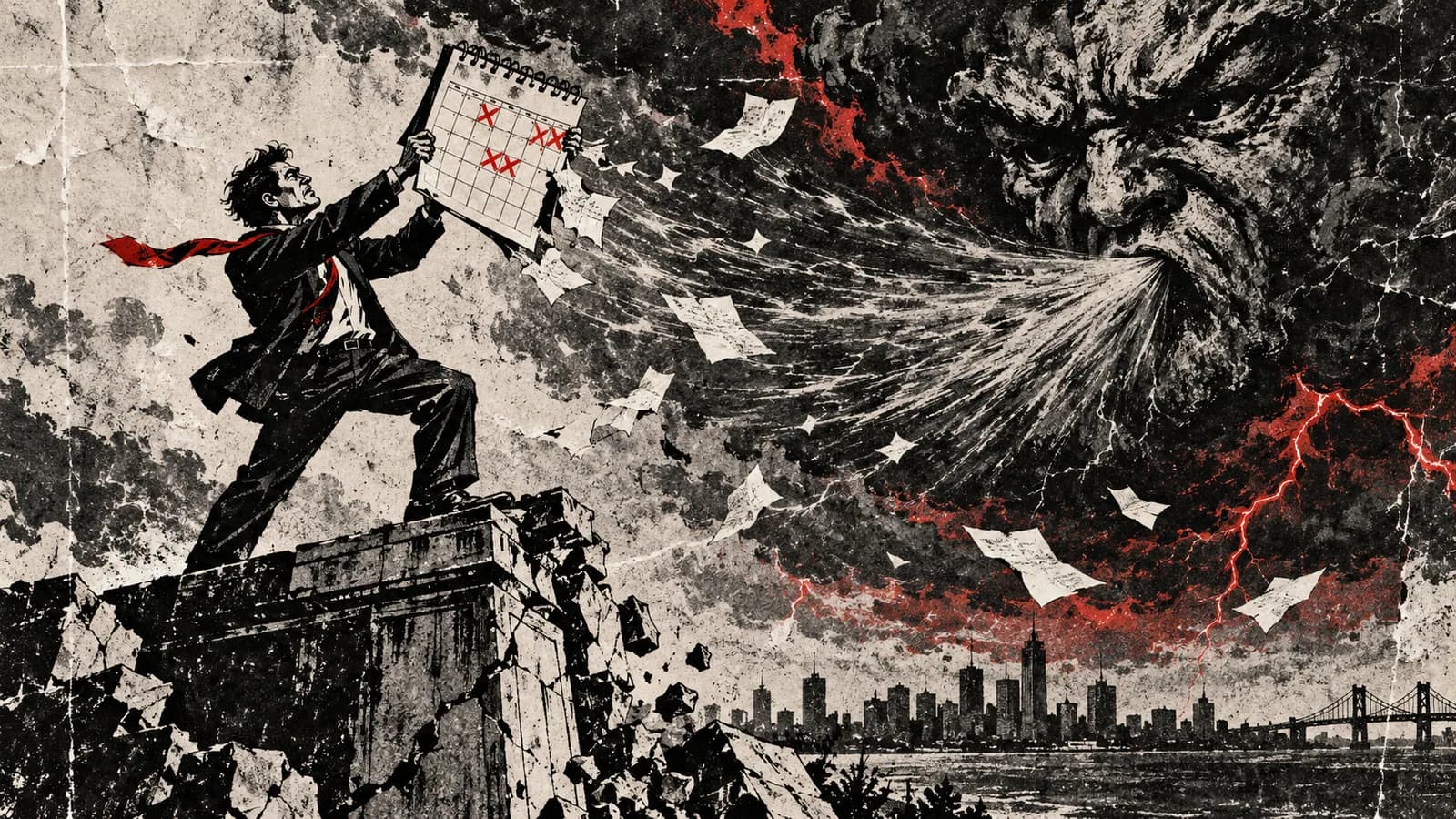
Your thirty-day miracle is somebody else’s sales pitch
Years of neglected problems do not become a thirty-day marketing assignment because the owner is frightened.
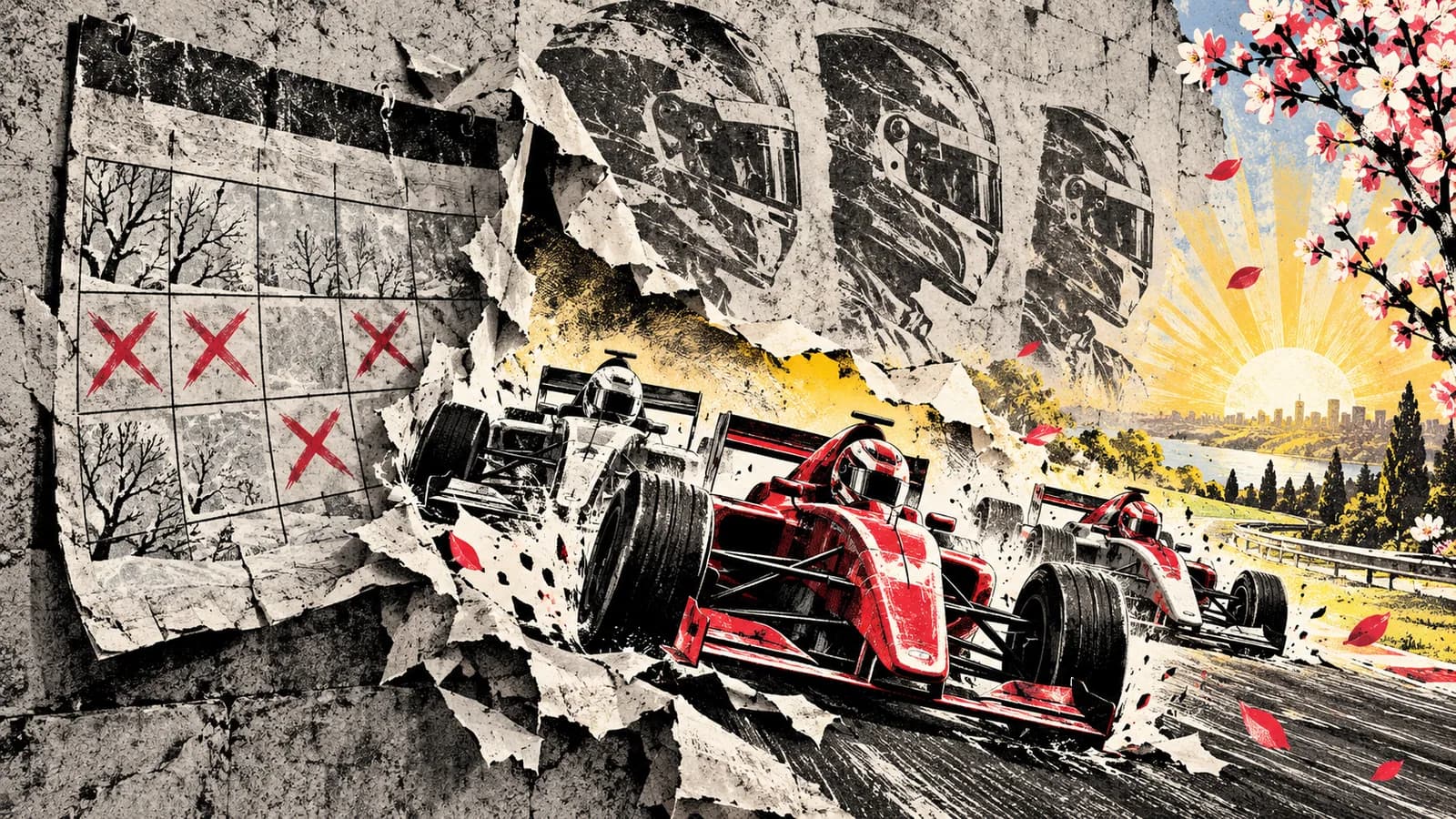
Kirkwood went and took it. Ferrari gave us another argument.
Arlington delivered the fight. Melbourne delivered the familiar Ferrari headache.
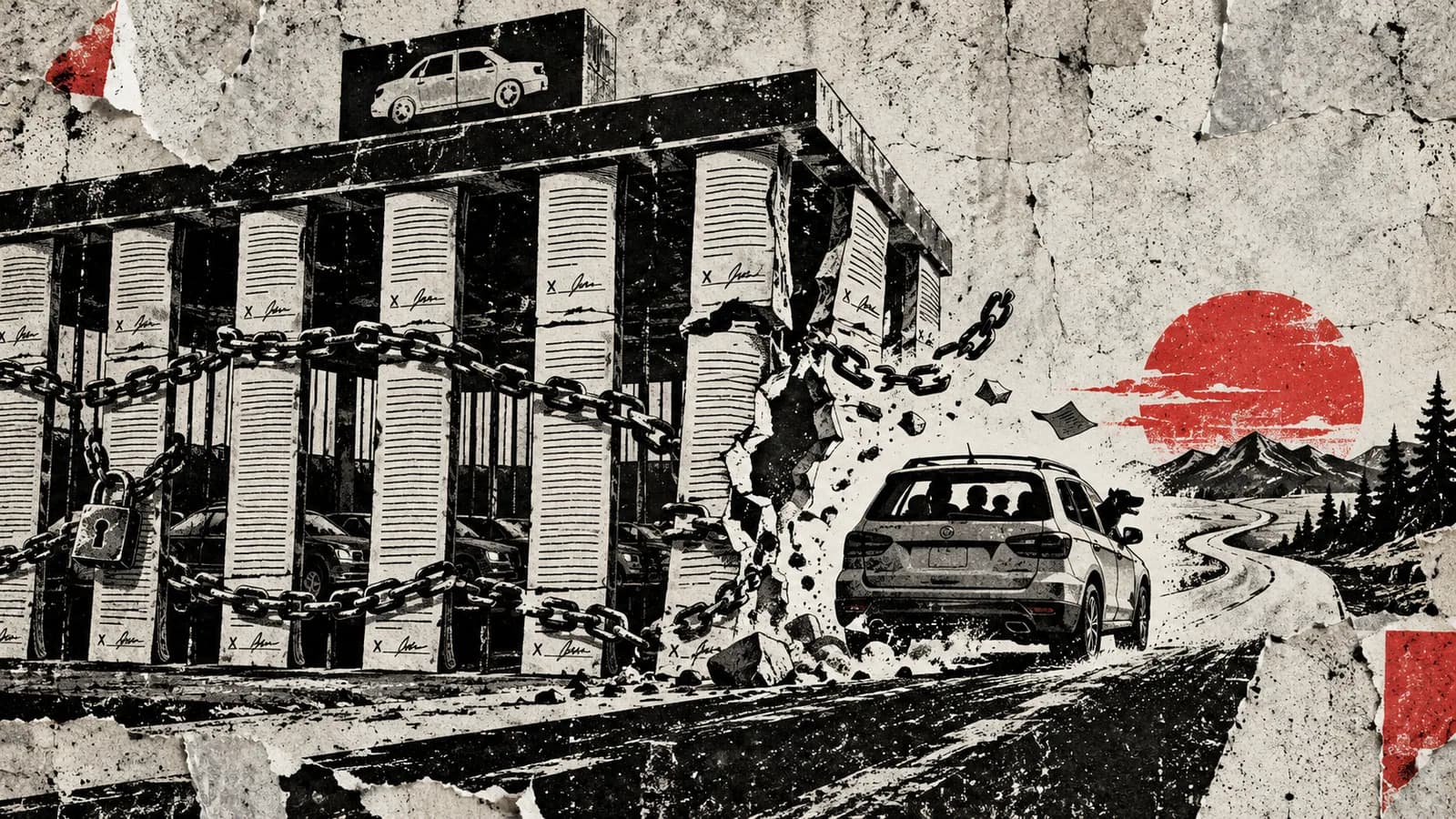
Carvana and the dealership visit people would rather skip
I can leave the dealership experience. Dealers have a much harder time leaving the system that sustains it. That is the real conflict.
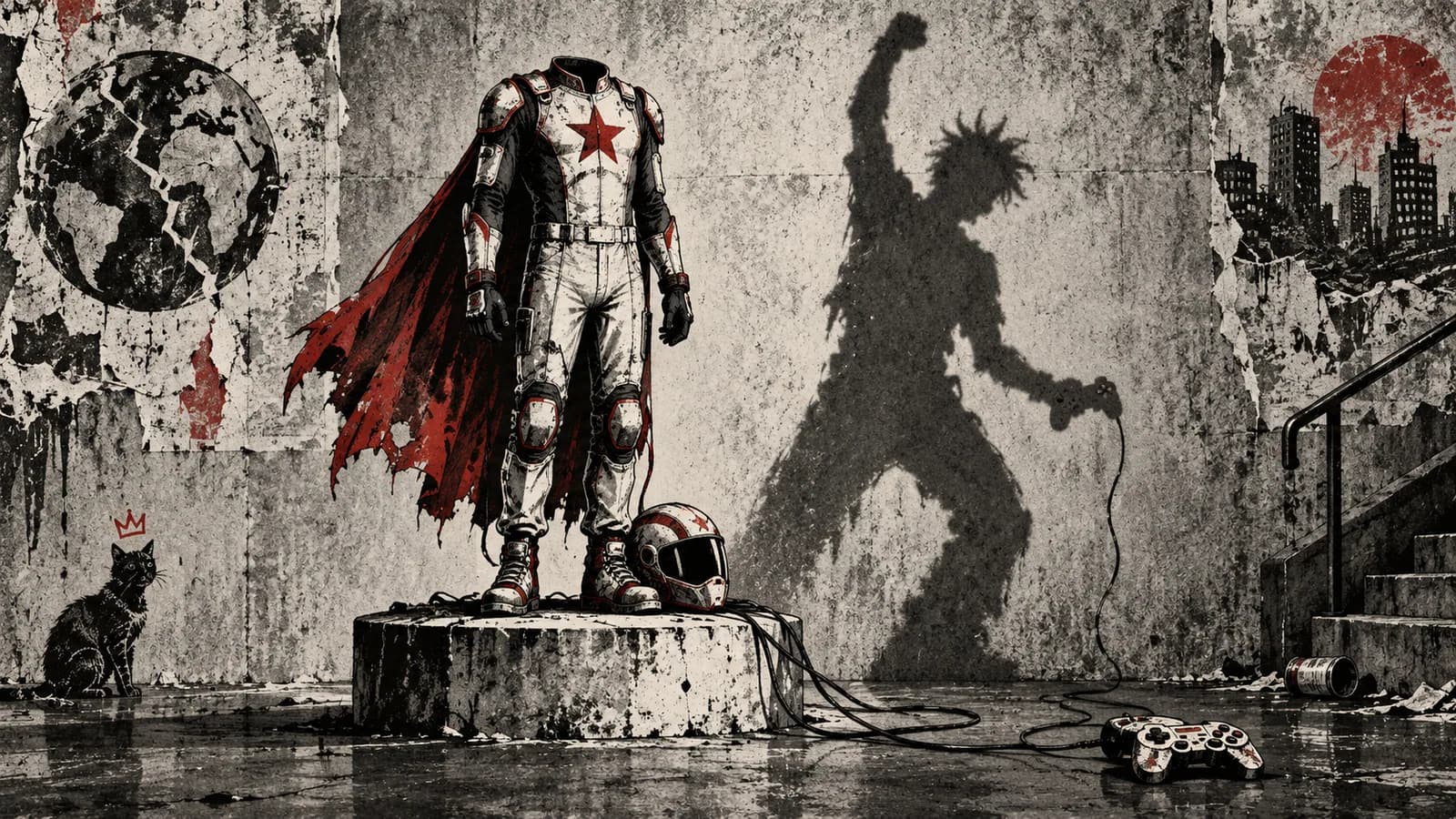
A franchise can survive while losing its meaning
A series can keep every recognizable detail and lose the experience that made those details matter.
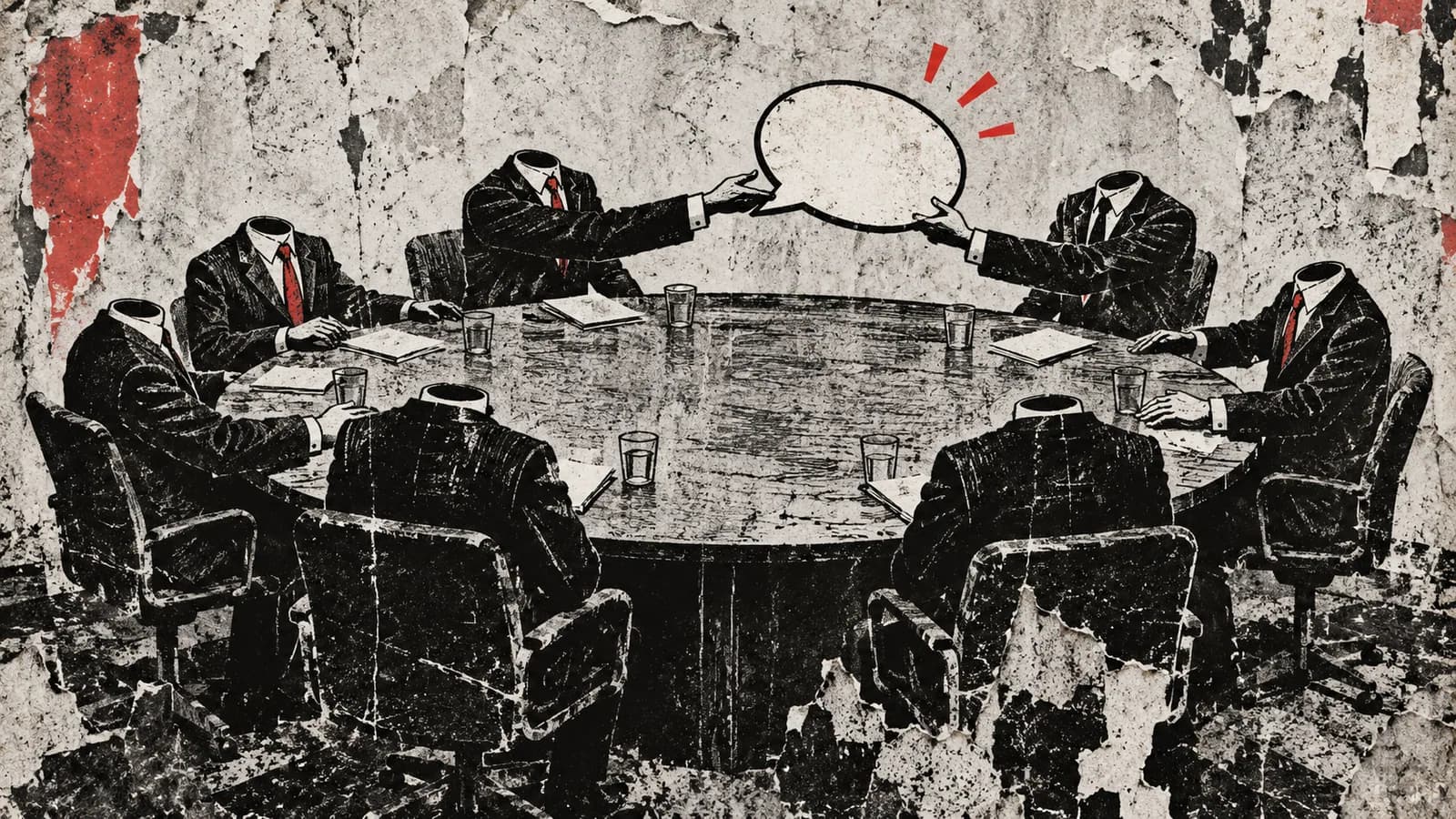
The automotive advice industry keeps selling itself
Previous success, peer consensus and a conference badge do not make advice self-validating.
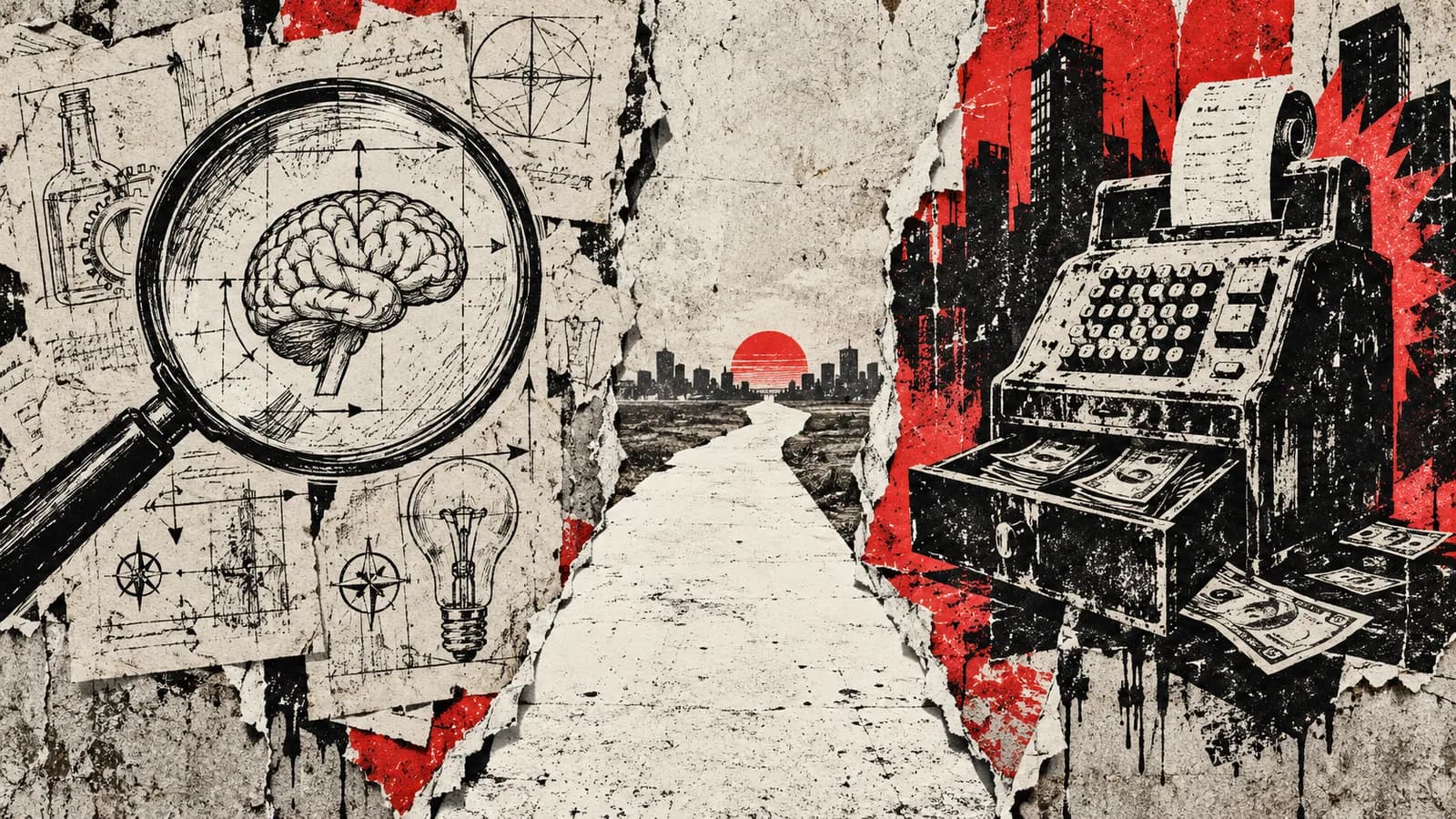
Expertise should sit outside the purchase path
Complexity makes independent expertise more valuable. It does not make the closer indispensable.
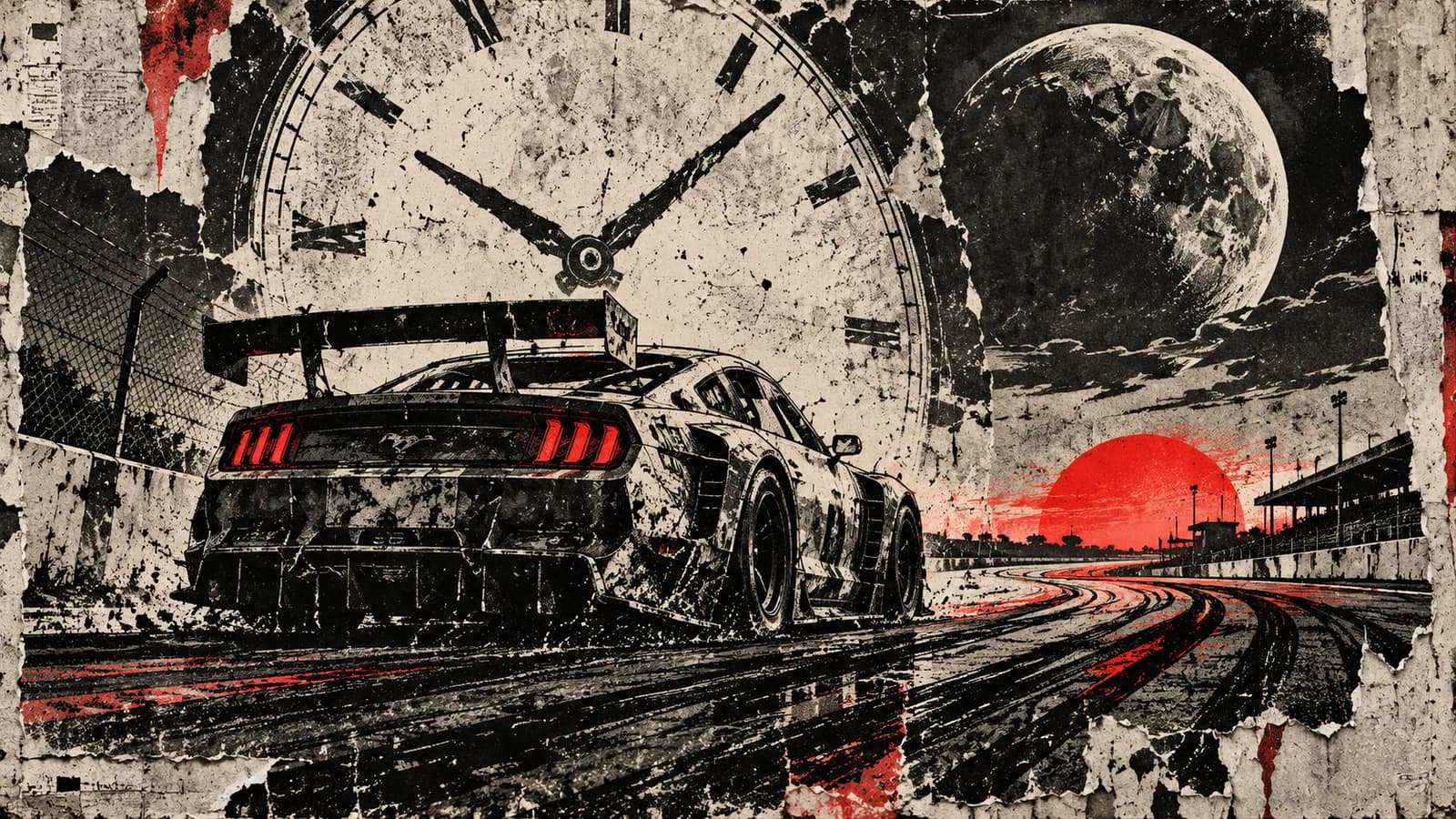
I want the Mustang to ruin somebody’s weekend
Ford at Daytona: the noise, the expectation, and no interest in celebrating seventh.
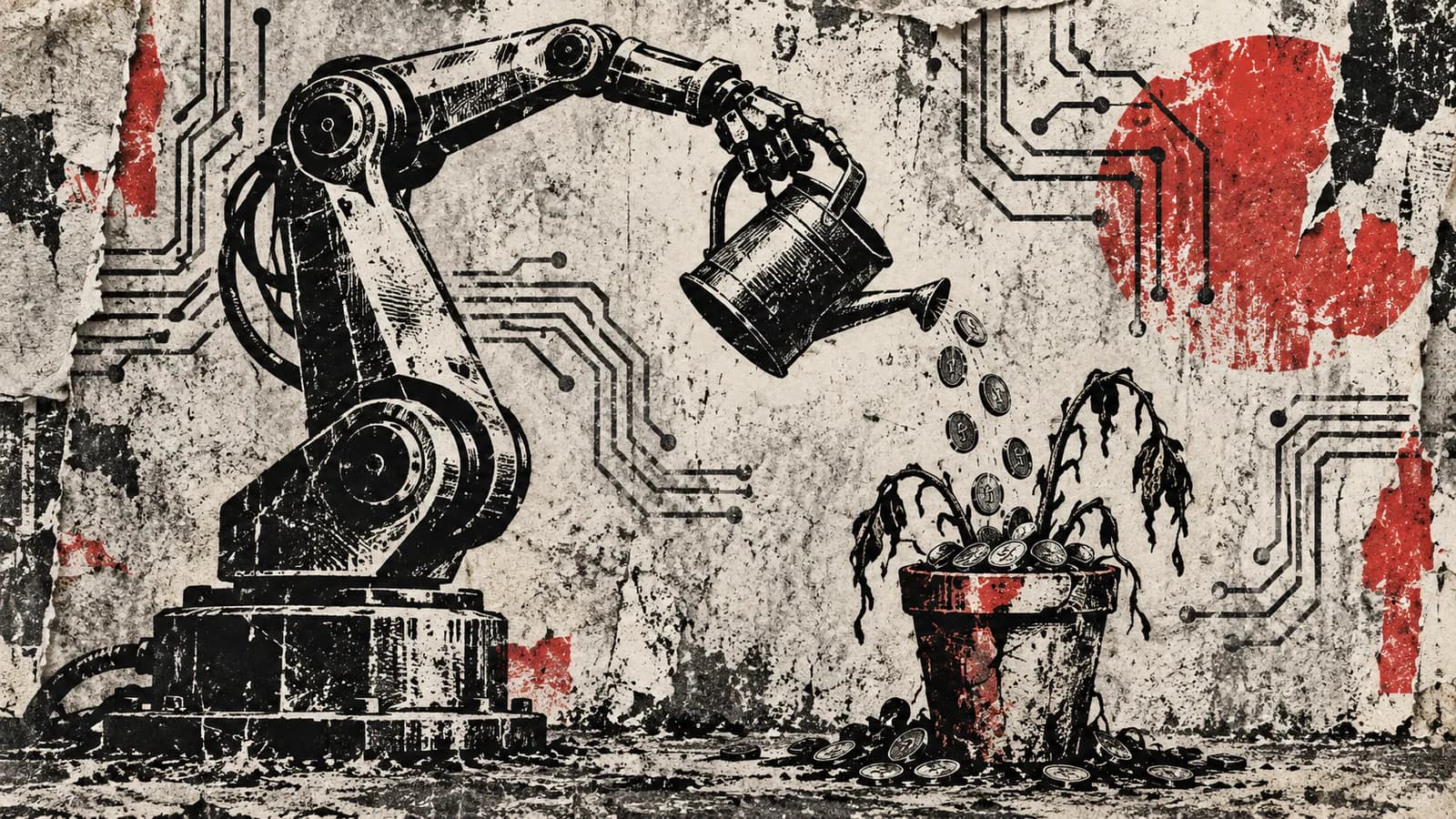
You cannot automate giving a damn
There is no software, workflow or AI that can automate success. Judgment remains your problem.
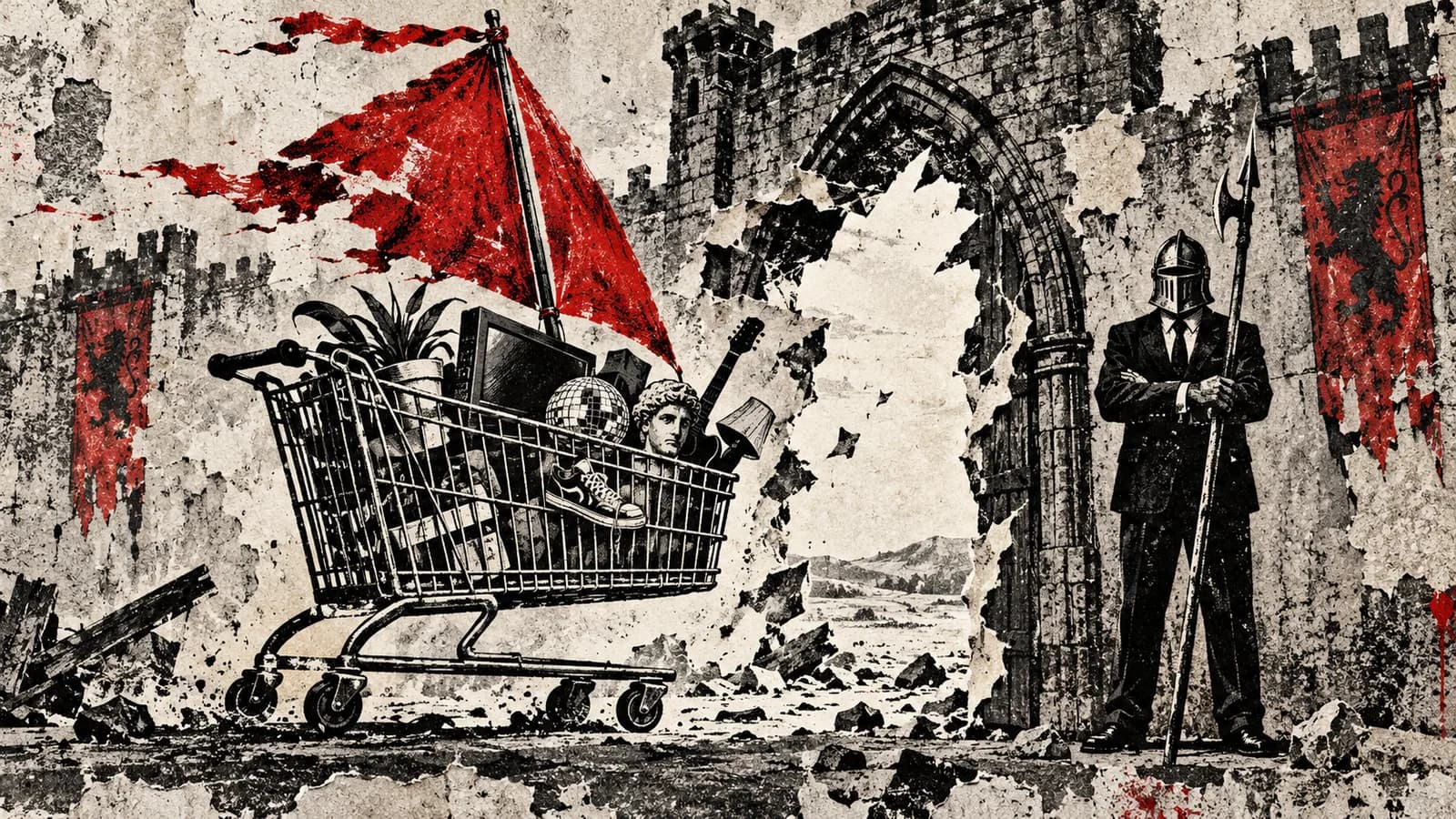
The internet changed the buyer. Why not the buying process?
The buyer moved on. The process is still asking them to sit through the presentation.

When a brand’s memory stops matching its present
A familiar name can open the door. The present-day experience still has to earn the relationship.
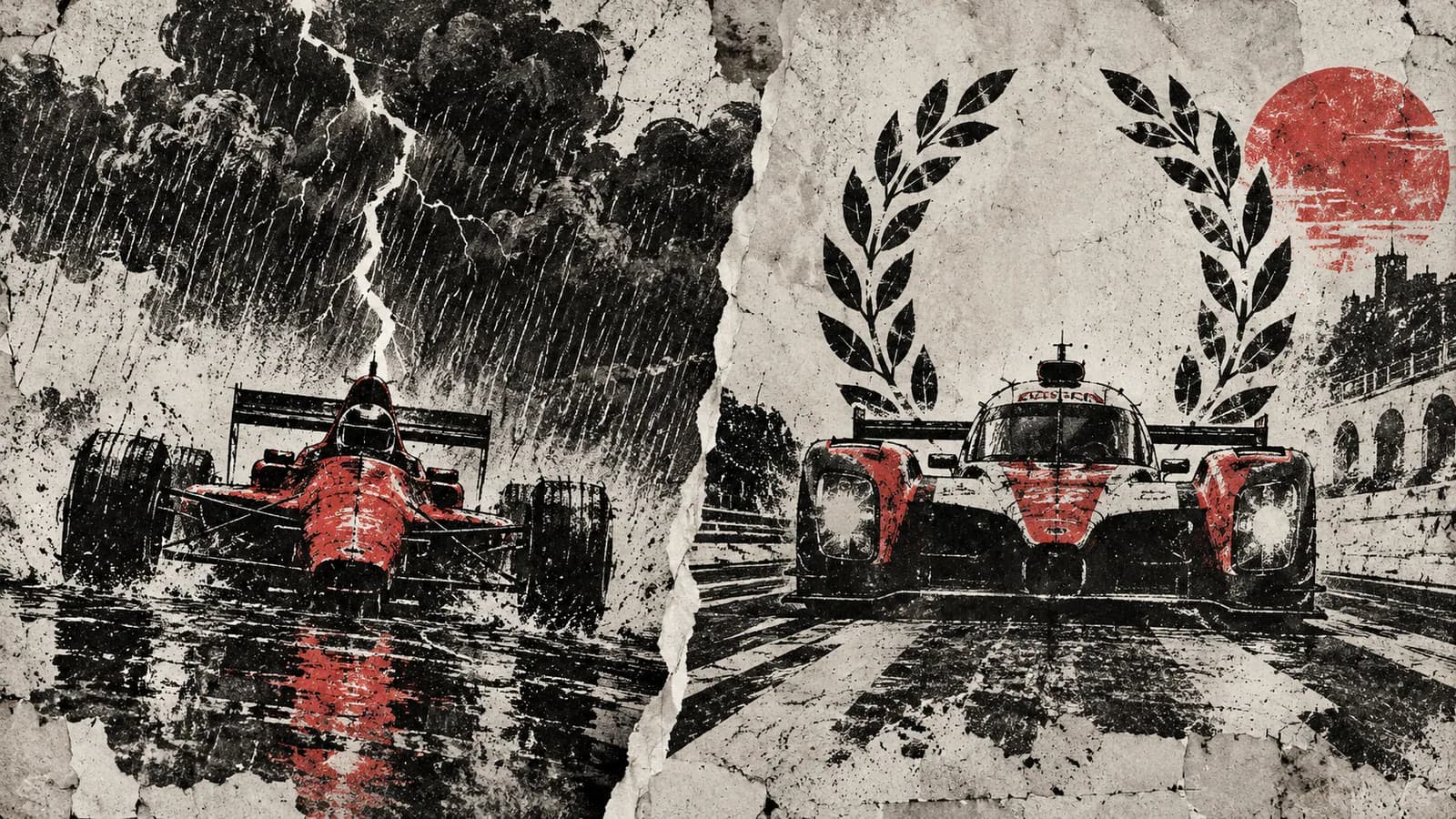
Ferrari owes us more than another beautiful disappointment
Leclerc, Hamilton and the 499P: the same badge, wildly different reasons to swear.

Advice loses credibility when the answer pays a commission
Advice has a credibility problem when the person giving it gets paid for one particular answer.
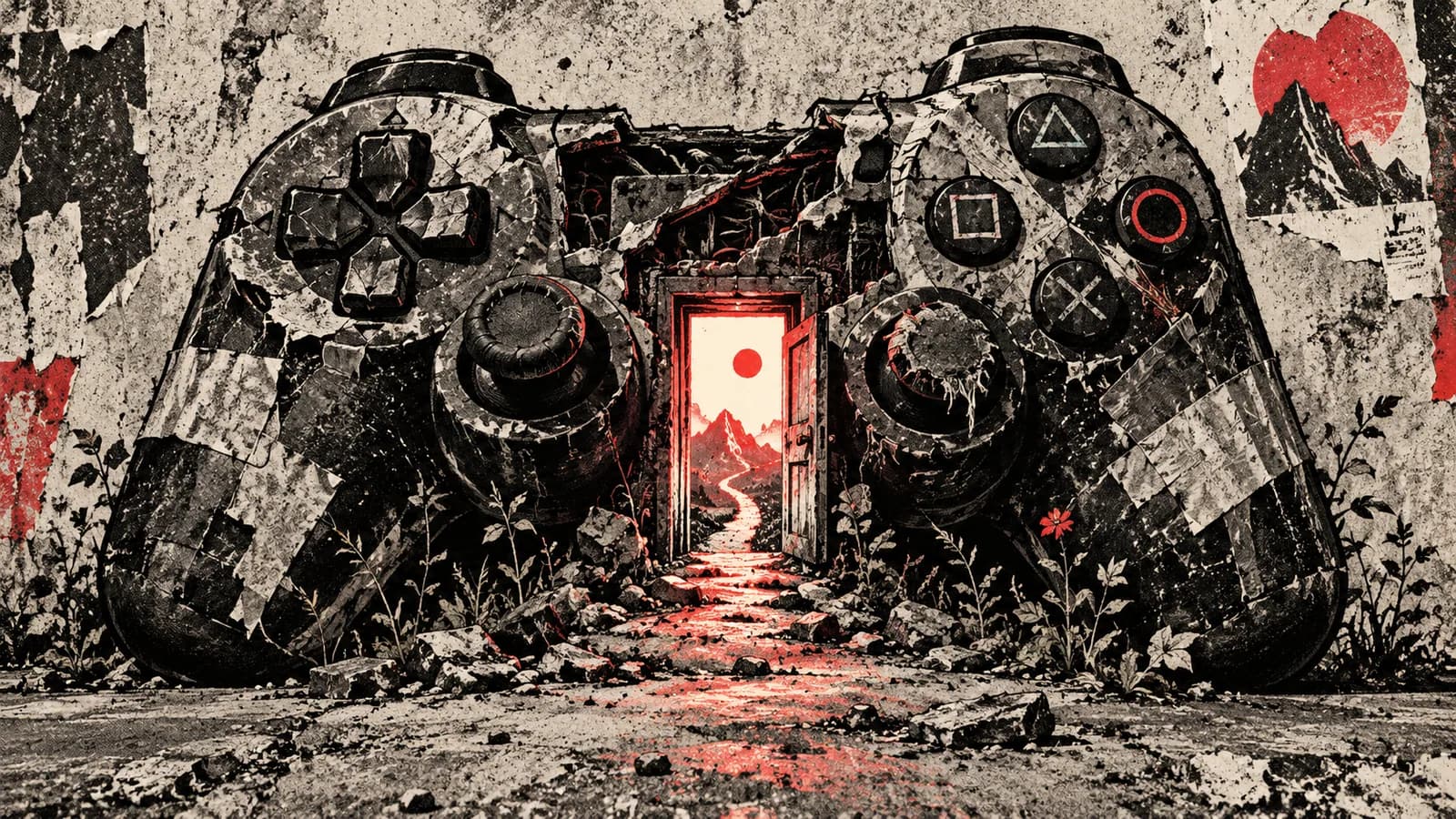
What makes a game worth coming back to?
Affection brings players back. Attendance management merely keeps them checking in.
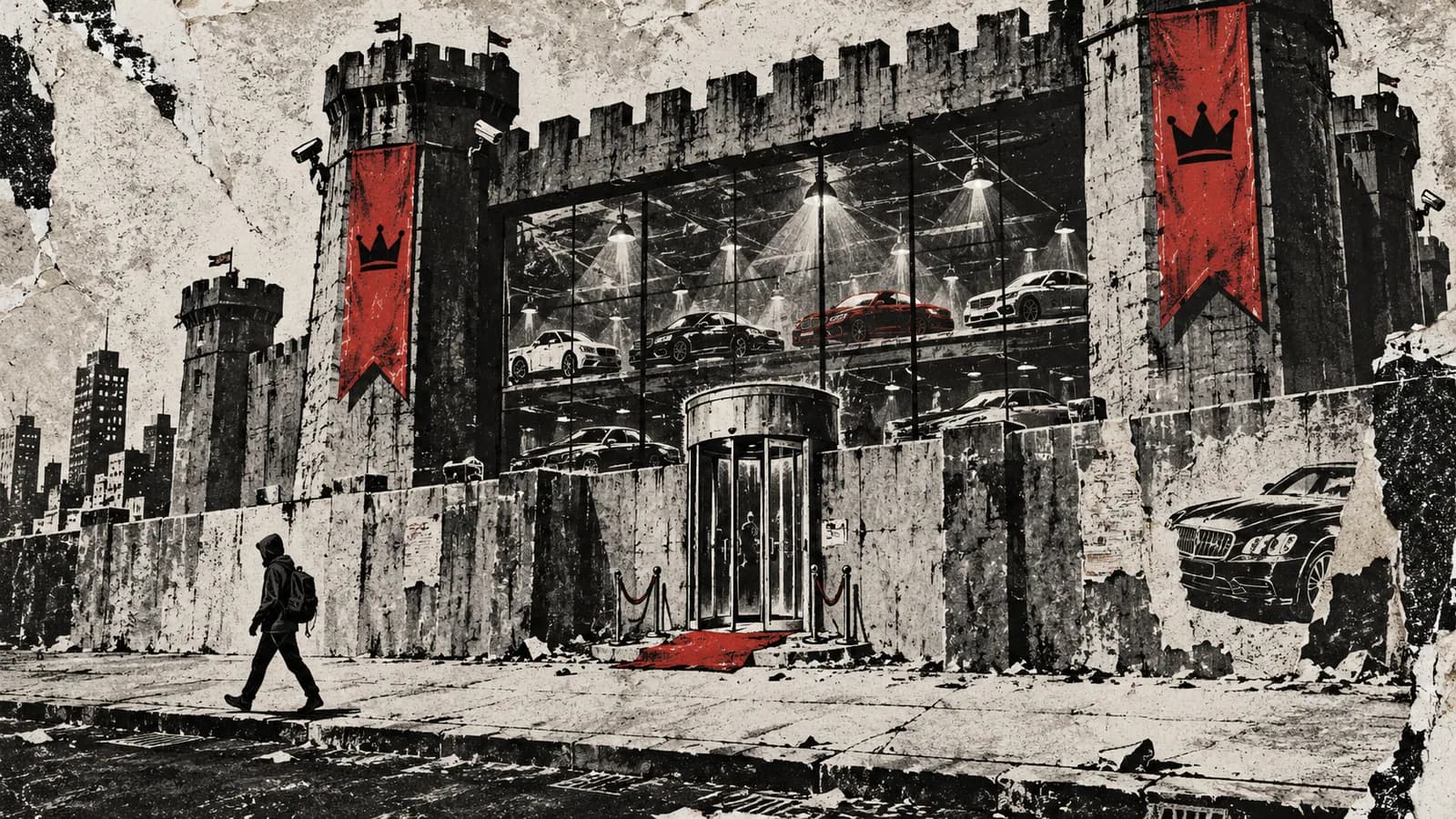
A dealership has to earn the visit
The showroom exists. That does not give it a claim on my Saturday.
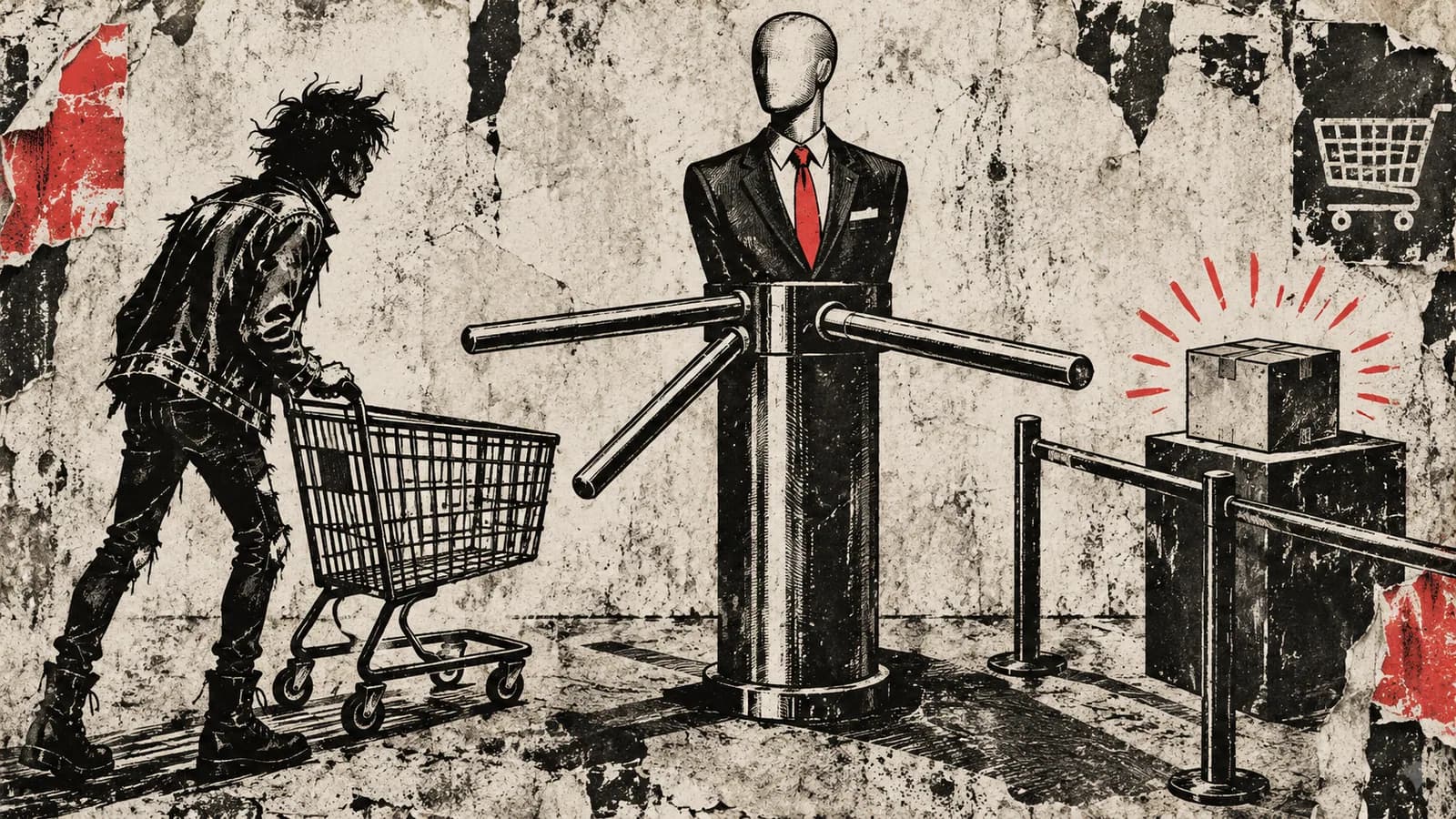
The salesperson is the friction
When the customer already knows what they want, a closer can become the problem.
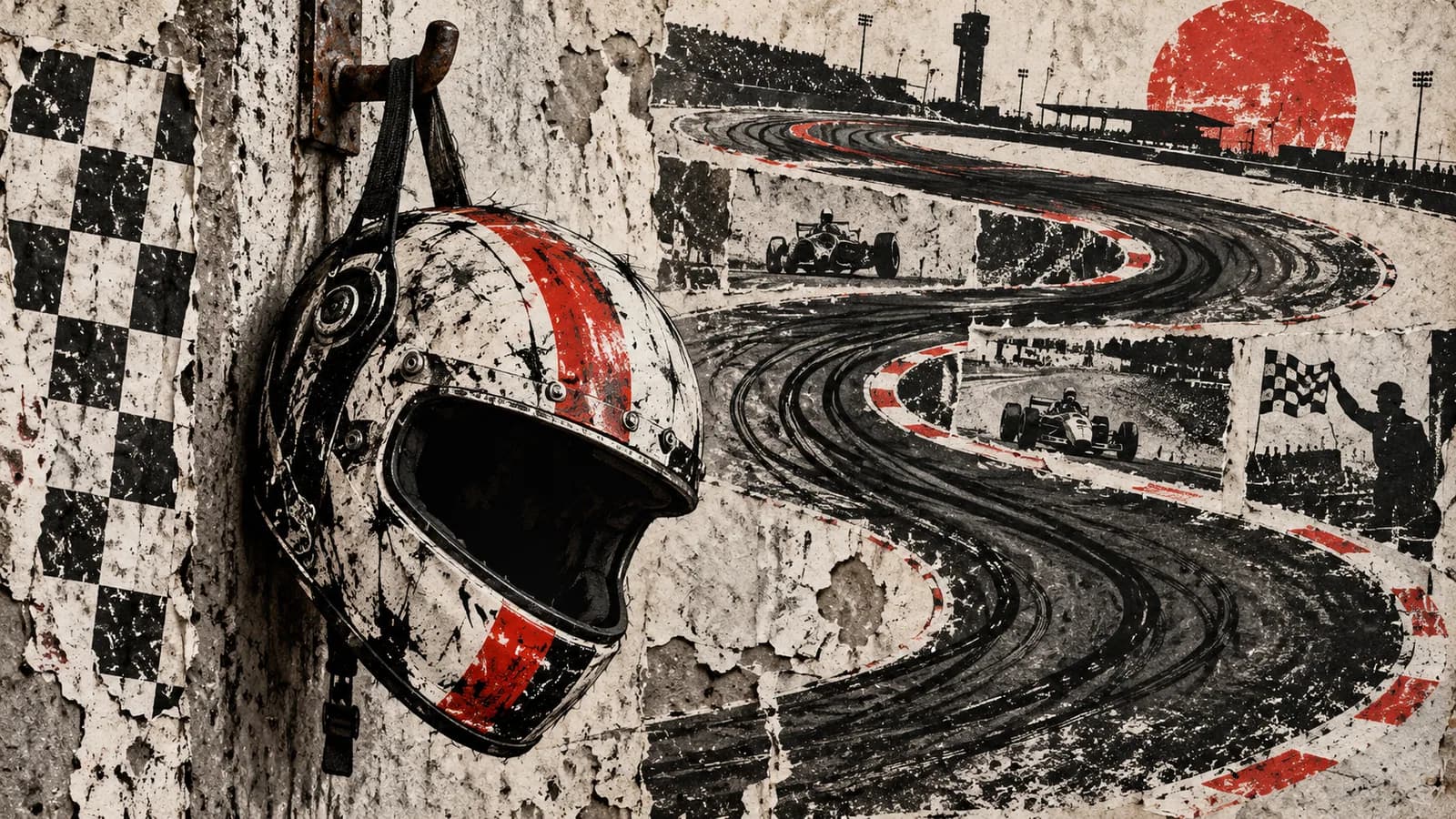
Somebody make Palou miserable
Pato, Kirkwood and Lundgaard: I want a title fight that makes Ganassi sweat.
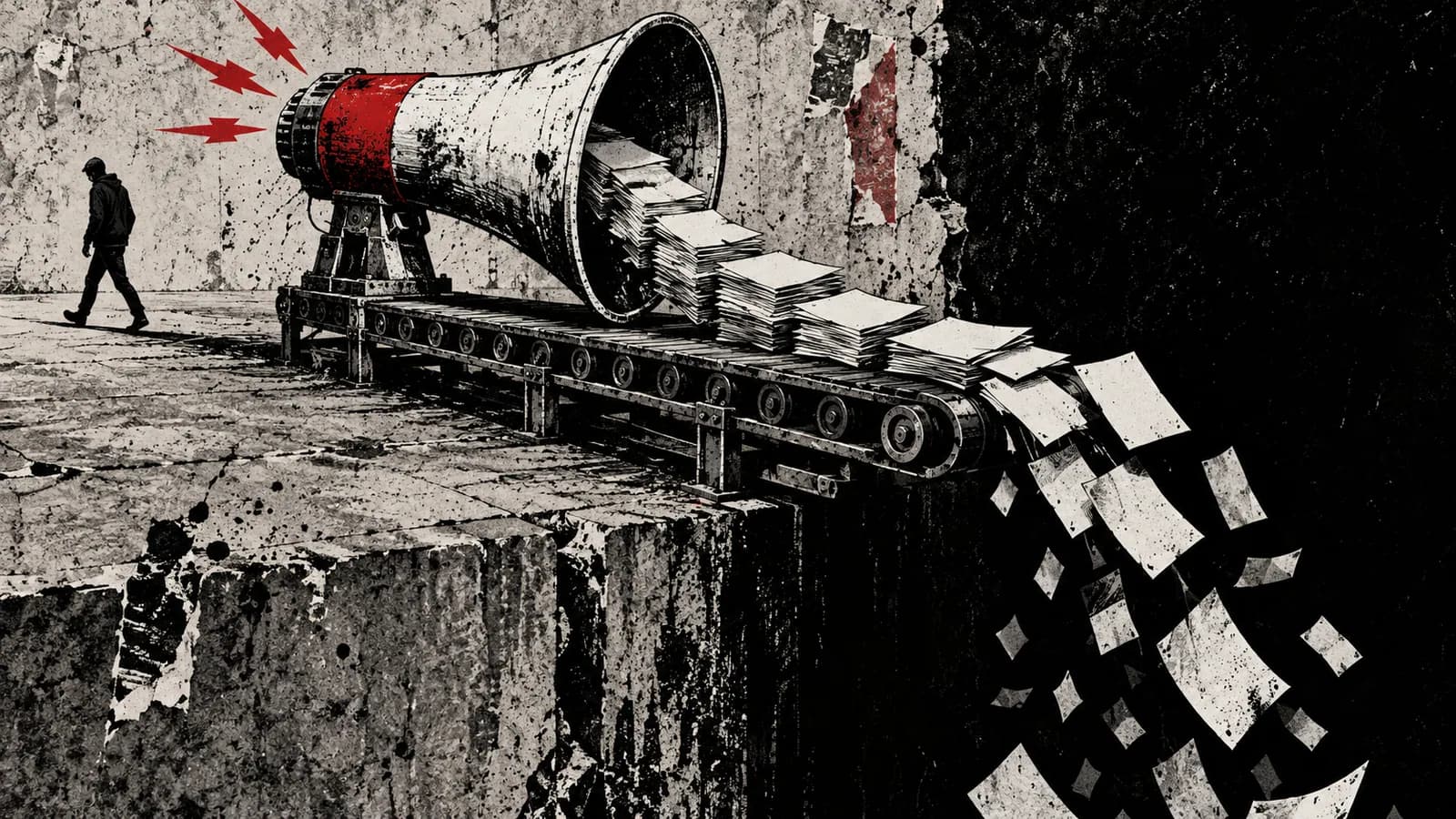
Marketing after the attention bargain
Attention was never company property. Losing access to it is not a debt the audience owes.
Organized by the period each piece covers. New essays and retrospectives were published October 2, 2026; the May follow-up article preserves its original publication date. Dates on each article make the distinction clear.