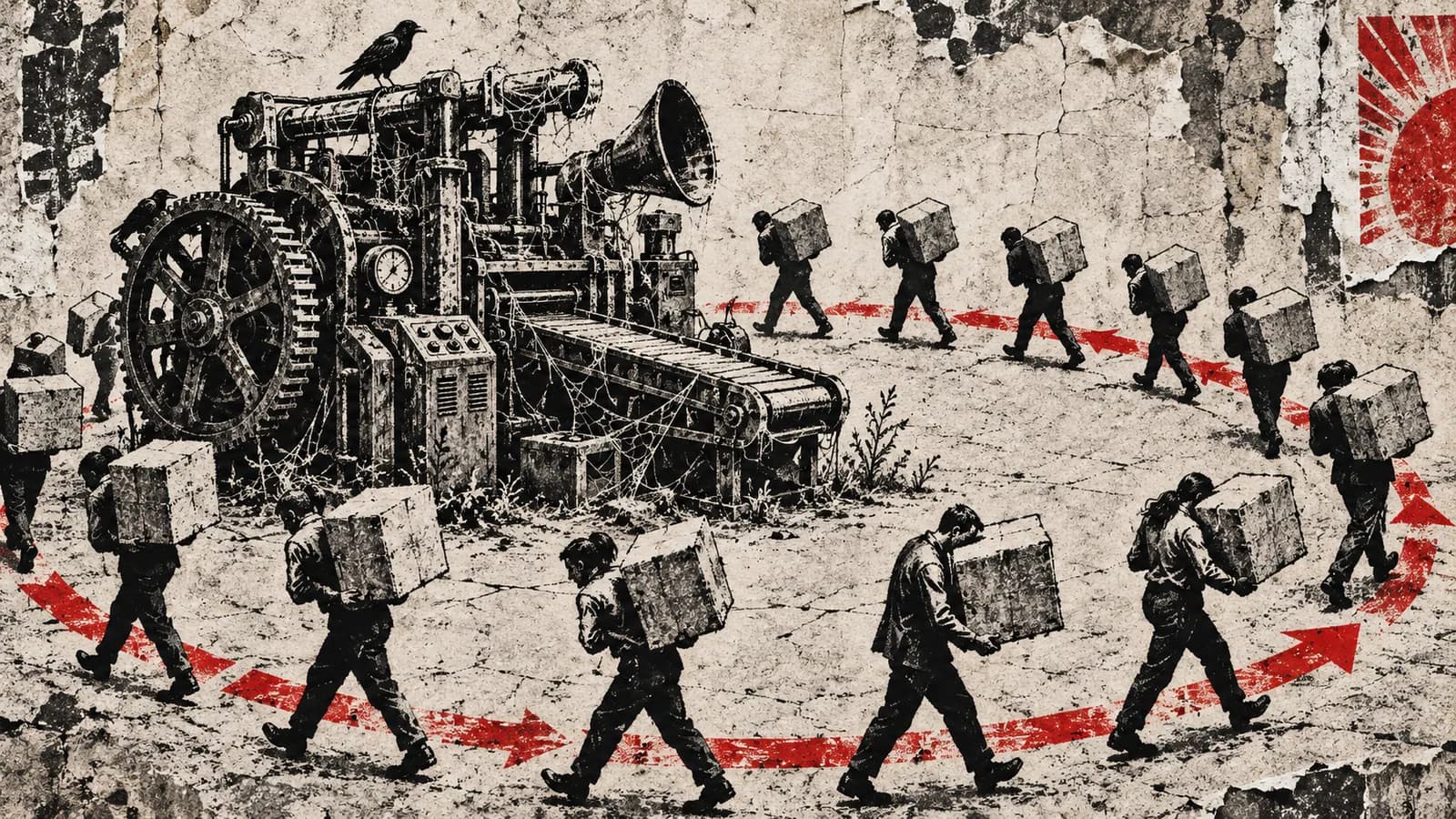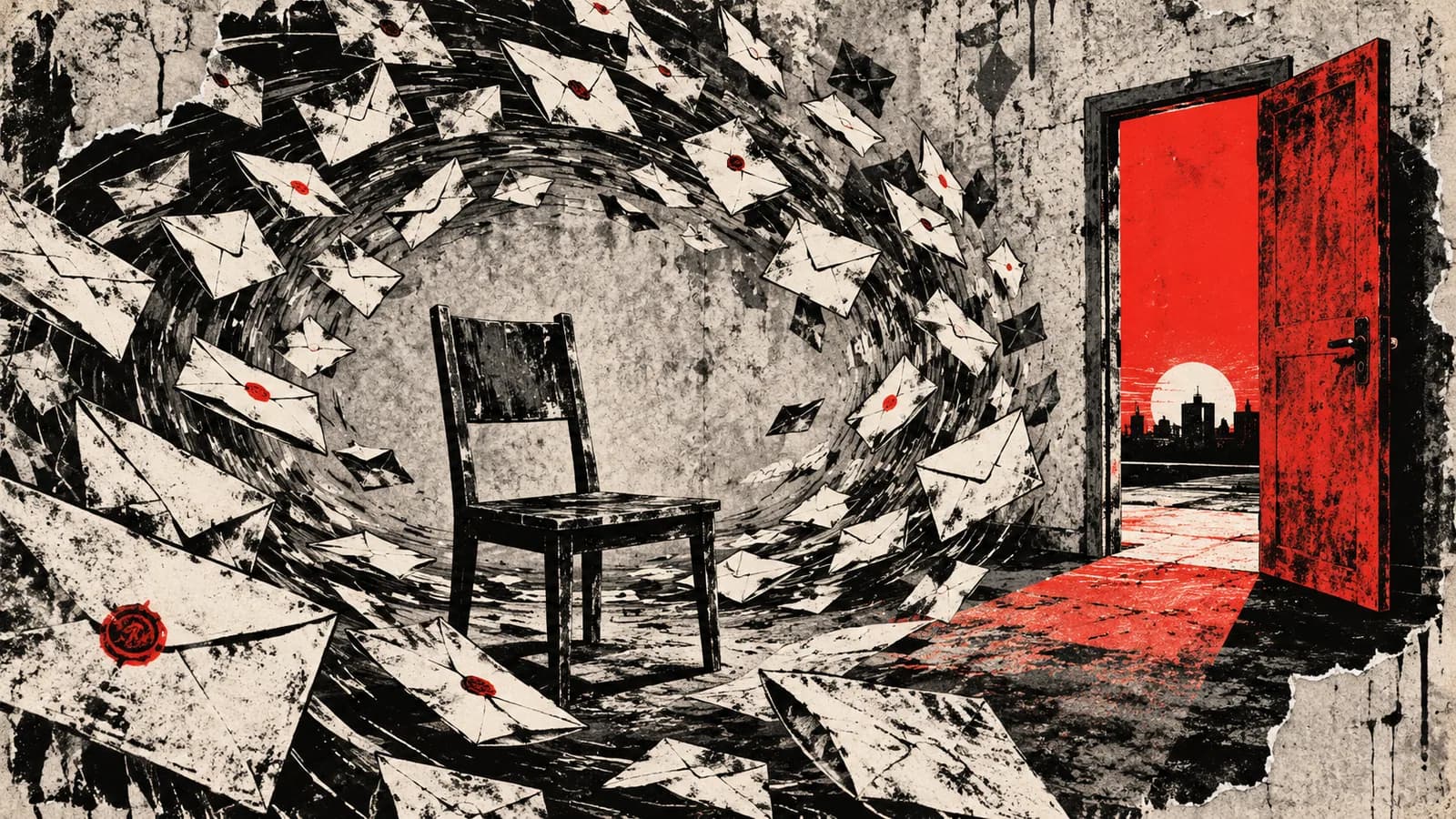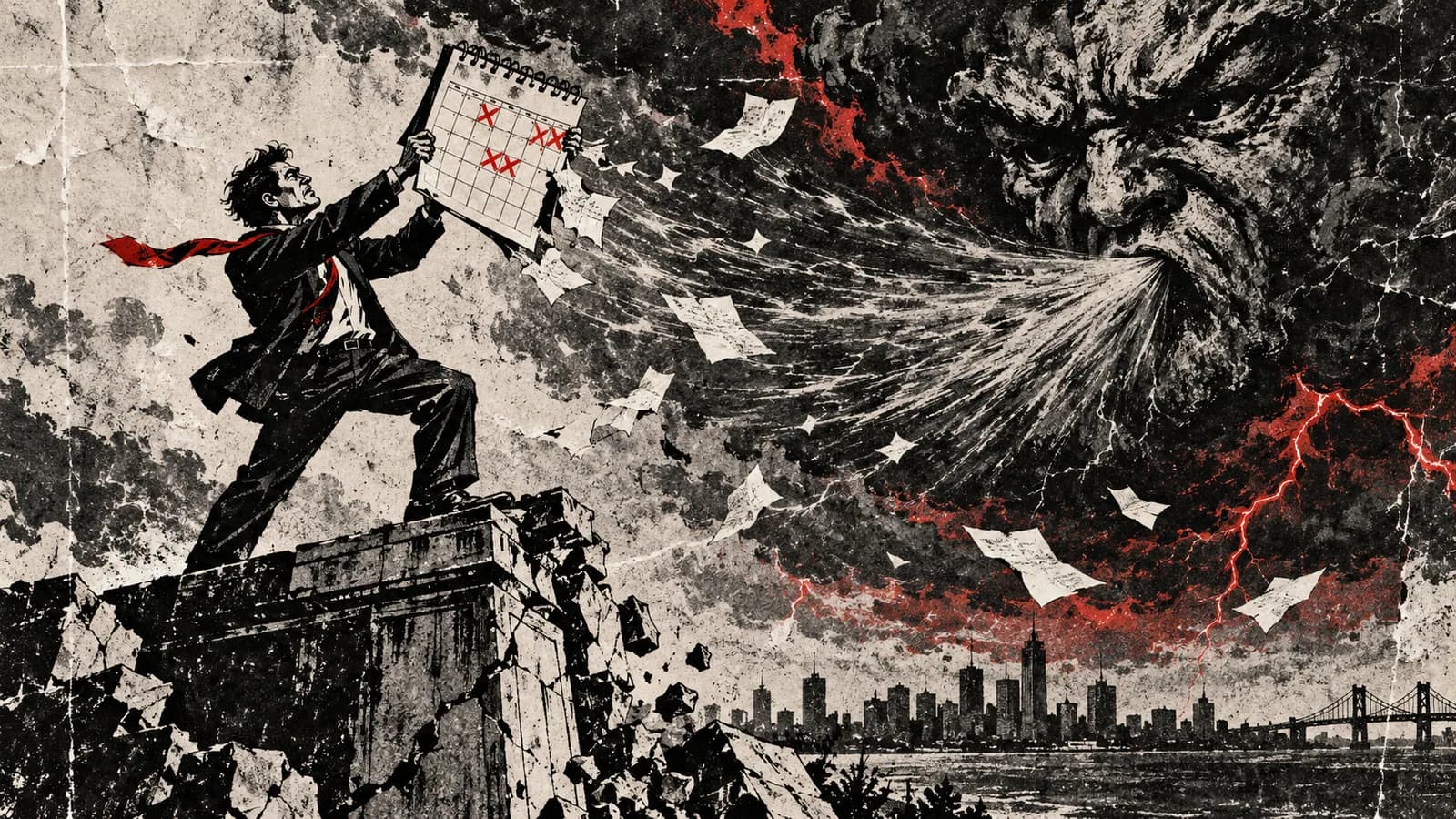
Your business ran on demand for ten years. You mistook the tailwind for a strategy. Now the wind has changed, and apparently marketing has thirty days to negotiate with the weather.
I have spent roughly twenty years watching versions of that pattern across companies and markets. A product or service is wanted. Customers can find it. The business succeeds, and the success becomes evidence that the people in charge understand why.
Then something changes in search or exposure. The familiar route stops delivering. Marketing gets called in, and a problem accumulated over years receives a deadline measured in weeks.
Panic becomes a project brief
What makes this so maddening is the selective urgency. Assumptions can sit untouched for years while the numbers look comfortable. The moment they stop working, the person hired to investigate them is expected to move at emergency speed.
The company’s history becomes background. The new person’s first month becomes the experiment on which competence is judged. We inherited a burning building and apparently failed because the curtains still smell.
People doing this work recognize the meeting. The requested outcome is specific; permission to change what might produce it is much less generous. The price stays. The process stays. The sales ritual stays. The customer is the part expected to change their mind.
The miracle salesman loves this moment
Fear makes certainty attractive. An honest account of what remains unknown can sound weak beside somebody promising an immediate turnaround. The promise feels like leadership because it removes the discomfort of thinking about the problem.
For a while, anyway. Reality has a nasty habit of showing up after the deposit.
Then the same people who wanted confidence discover that confidence is not evidence. The staff absorbs another round of urgency. A new campaign gets treated as a referendum on whether the business deserves its former demand. Nobody wants to revisit how much of that demand arrived without the brilliance now being claimed for it.
The deadline does not alter the diagnosis
I am tired of pretending that an owner’s fear creates an obligation to promise what cannot be promised. An urgent need for improvement does not make improvement mechanically available. A company can need revenue desperately and still have an offer people no longer want on those terms.
That is ugly. It is also the work. The fantasy that marketing can restore the old arrangement while everyone else remains comfortable is what wastes the time people claim they do not have.
Thirty days is long enough for the miracle to become somebody else’s fault. Apparently that is the one deliverable the model can guarantee.
Twenty years in marketing and design, across industries. Still paying attention. Considerably less patient.
More about me ↗