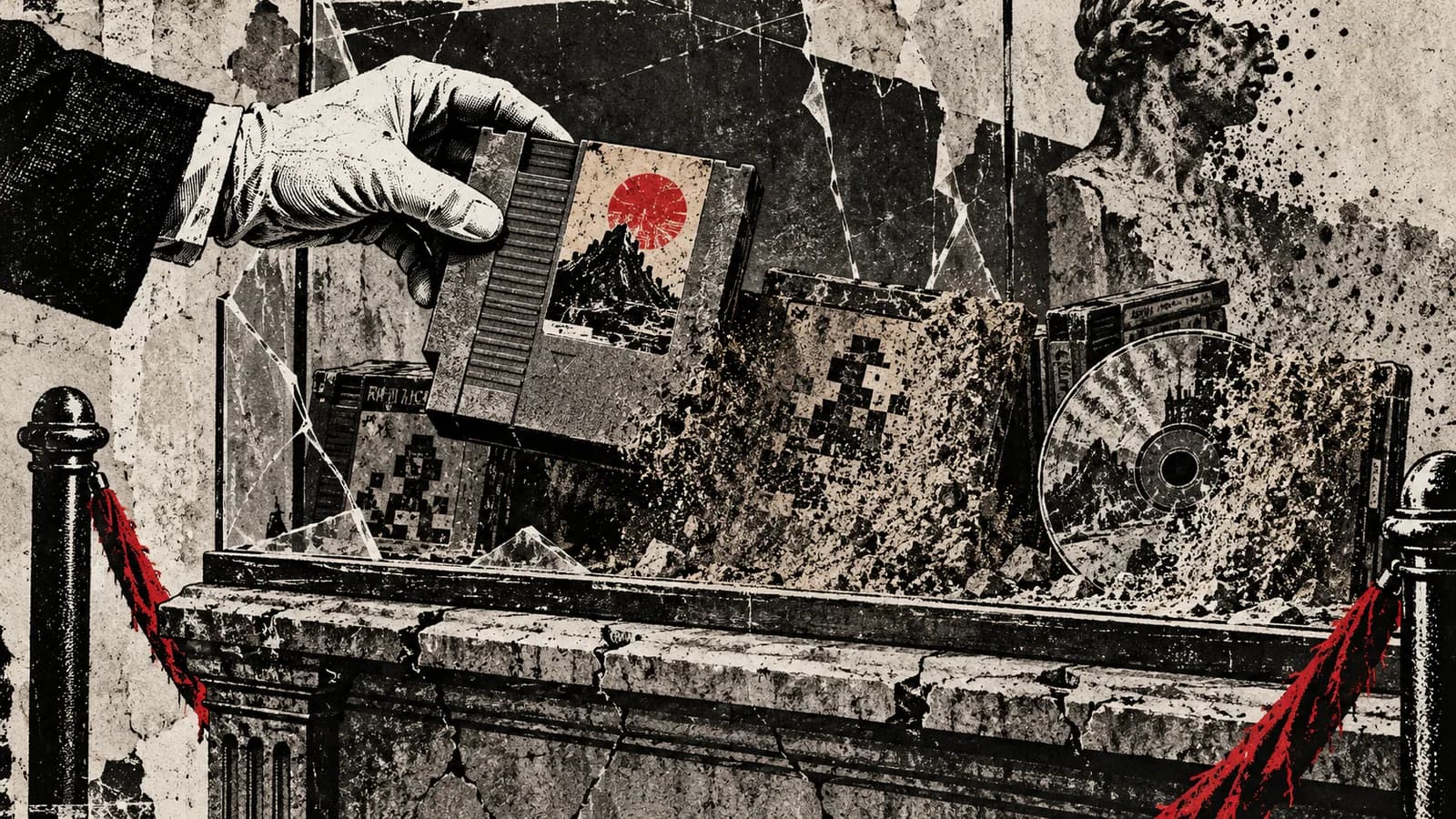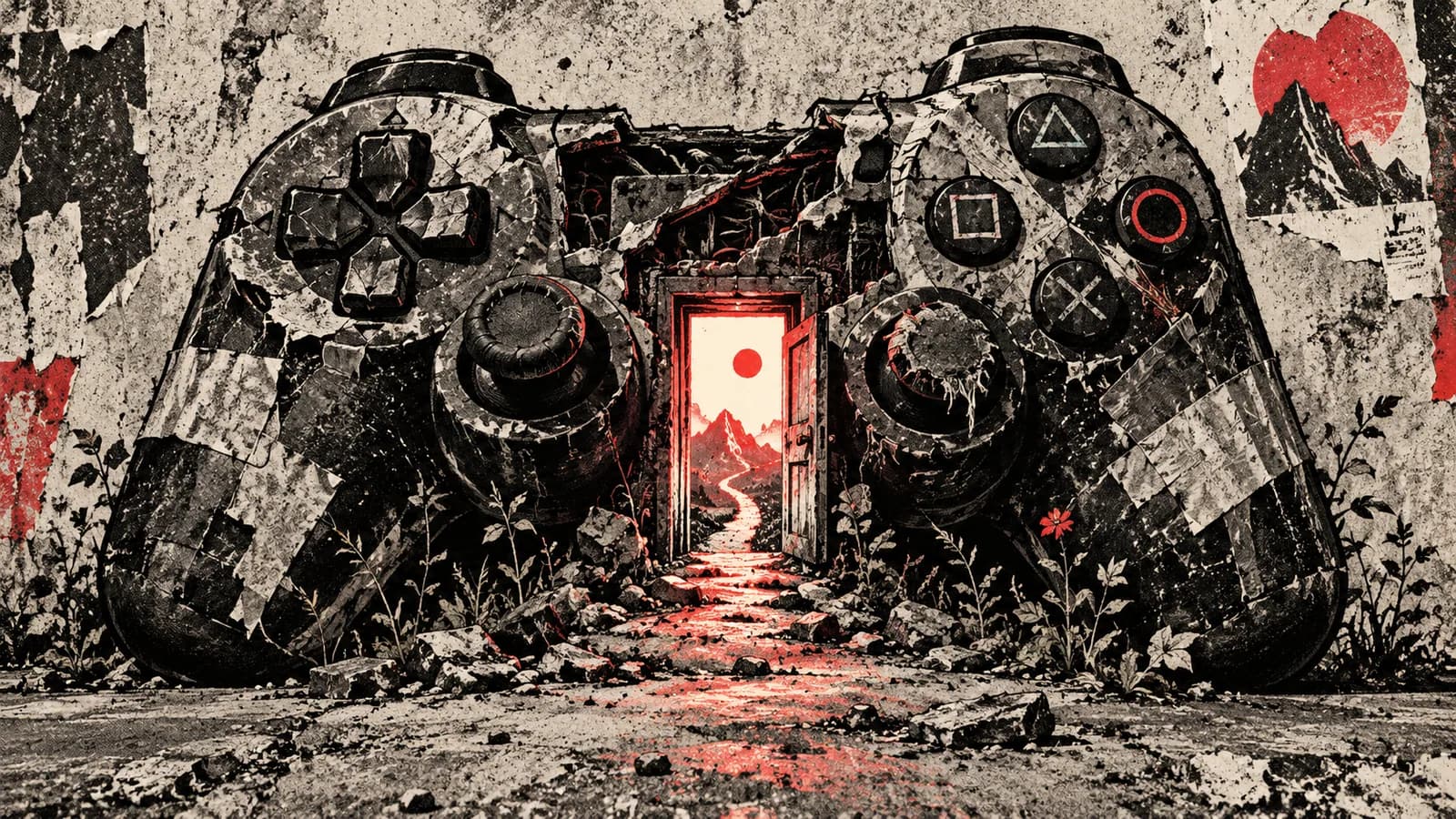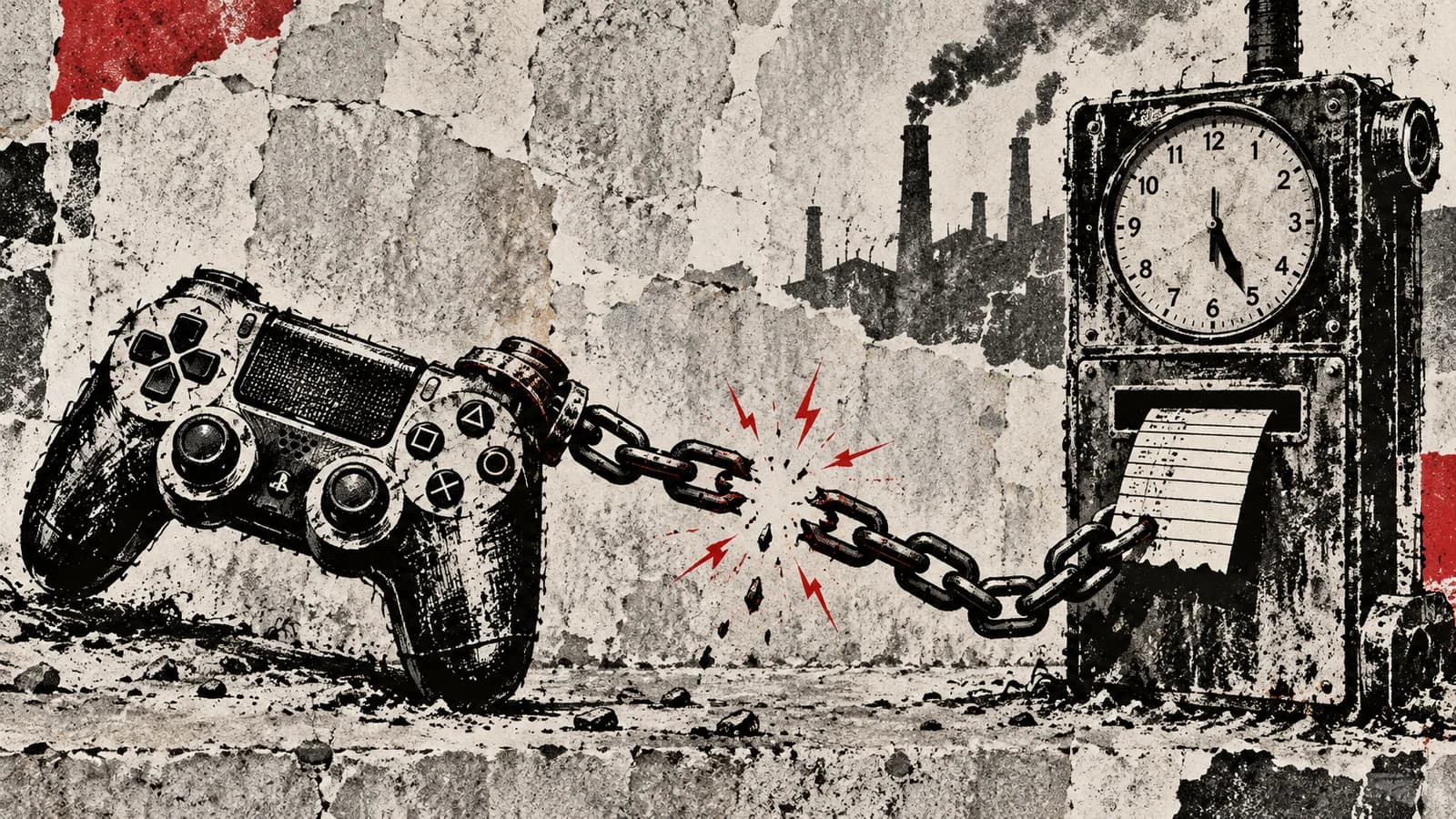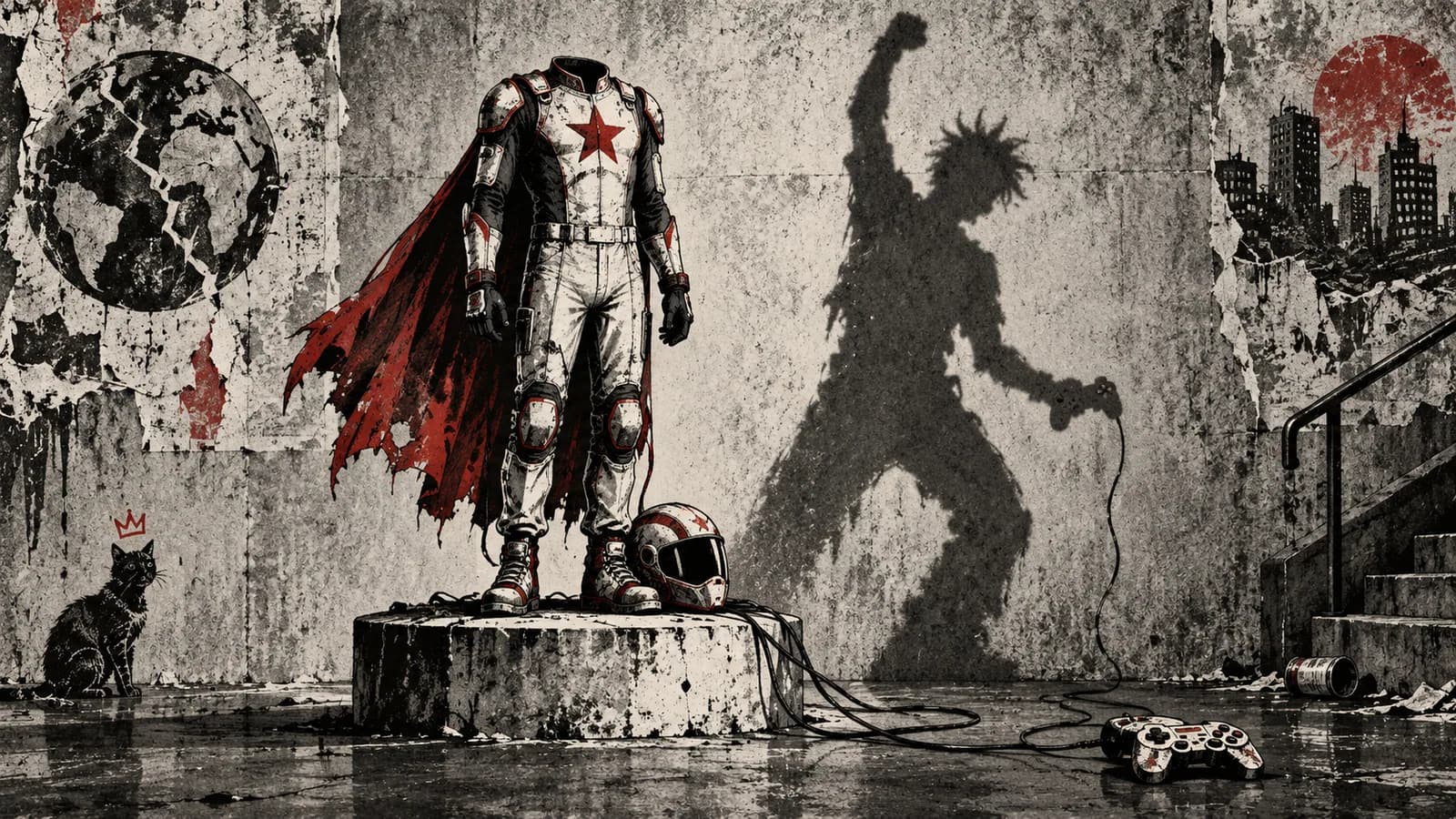
A franchise can keep its name, its costume and its release schedule while slowly losing the reason anyone cared.
From a distance, everything looks healthy. There is a recognizable logo. There are new products. Familiar objects arrive on cue. Somewhere, a presentation explains that the brand is being expanded.
The audience may experience something less impressive: being repeatedly reminded of a relationship that the current work no longer earns.
Recognition is the easy part
It is possible to identify a franchise in one screenshot and still struggle to explain why the new installment feels empty.
The recognizable details are not necessarily the central promise. A particular weapon, character or musical phrase can summon the memory of an experience. It does not guarantee that the experience surrounding it still works.
If a series once made exploration feel dangerous and strange, filling a map with familiar icons may preserve the nouns while losing the feeling. If it once offered a clean, competitive encounter, an expanding pile of progression systems can bury the thing people wanted to repeat.
These are design questions. You cannot answer them by making the trailer more reverent.
Change is not automatically betrayal
I do not want every series embalmed at the point when its oldest fans were happiest. That is another way to turn a living medium into merchandise.
A useful sequel can challenge expectations. It can discard something that no longer serves the game. But the changes need a coherent purpose beyond demonstrating that the new entry contains more entries on a feature list.
What is the player being invited to experience now? Why does this series provide the right setting for it? What remains essential, and what was merely a habit?
If nobody can answer those questions without saying “engagement,” somebody should unplug the presentation and go play the game.
The audience is not a renewable resource
People can forgive a disappointing release. They can even remain curious after several. That does not mean their attachment replenishes itself indefinitely.
Each appeal to the old relationship spends some of it. At a certain point, the familiar logo stops promising excitement and starts reminding the player how the previous promise went.
That is a miserable position for the next development team, including people who had nothing to do with the decisions that created it. The public sees one franchise. The work is performed by changing groups of human beings inside changing organizations.
Preserve a reason, not just a property
The hopeful part is that identity does not require endless imitation. A series can rediscover a clear purpose and build something specific around it.
That takes more than announcing a return to the roots. Roots are not a marketing asset you can paste onto a roadmap.
Show the player, through the work, why this world still deserves their time. The name can get their attention once more. It cannot do the rest of the job.
Twenty years in marketing and design, across industries. Still paying attention. Considerably less patient.
More about me ↗