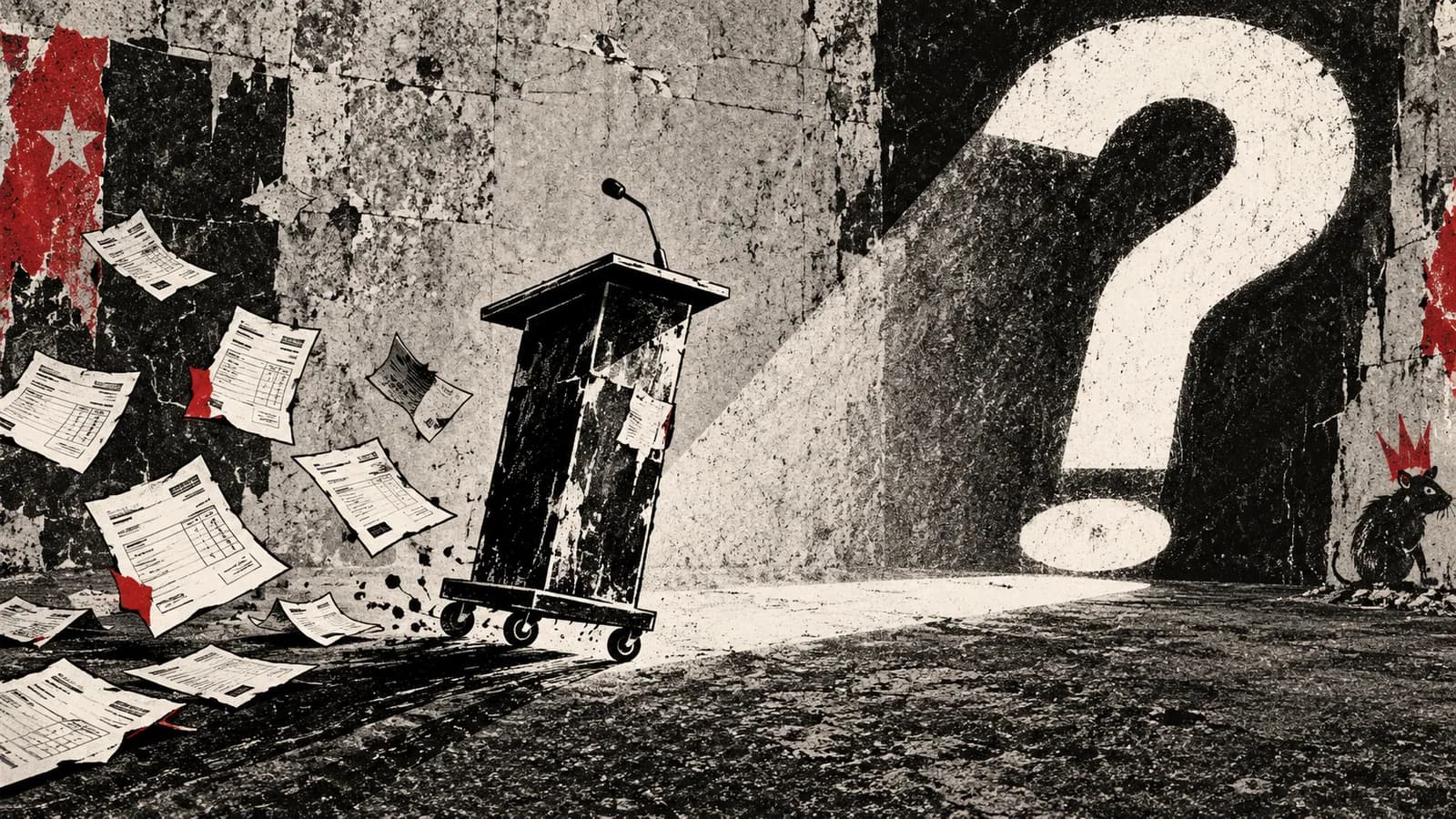
There is a question I would like to hear more often at automotive conferences: what happened after the advice?
Not the testimonial recorded while everyone was excited. Not the slide showing the best number in the best month. What happened when the recommendation met inventory problems, uneven participation, an uncooperative market and the ordinary refusal of reality to stay inside a presentation?
That is where expertise should become interesting. It is also where the microphone seems to stop working.
Outcomes need a denominator
One successful client does not tell you how many businesses tried the approach, how many abandoned it or how much work the successful one had to do outside the advertised system.
The promotional account tends to end precisely where those questions begin.
What was the starting position? What else changed? What did the work cost? Were the gains still there after the promotion ended? Could another team reasonably reproduce the process with the resources they actually have?
These are not obscure academic objections. They are the basic instructions missing from an awful lot of very expensive advice.
Stop letting failure change owners
Here is a hypothetical arrangement I have no patience for: the consultant takes credit when the result improves, but every disappointing result becomes a failure of commitment by the client.
Implementation does matter. I have built systems people did not use. I do not pretend a tool can produce an outcome while everyone ignores it.
But if an approach repeatedly requires a level of participation ordinary teams cannot sustain, that is relevant to the quality of the approach. You cannot sell something as practical and then declare actual human behavior outside the scope of the engagement.
The recommendation and the conditions required to make it work belong in the same conversation, before the purchase.
The industry forgets on schedule
A new conference season arrives with new language. The old promise disappears underneath it. The people selling certainty remain certain; the people who bought it are left explaining why their particular circumstances somehow prevented the universal framework from working.
That arrangement protects the wrong reputation. The person who made the promise gets another stage. The person who believed it gets another invoice, this time for implementation support.
I am tired of the theatrical respect paid to experience when the experience is never required to include its own failures. Years in the industry are evidence of time spent. They do not make every conclusion portable, every intervention causal or every sales story true to what happened afterward.
A working professional has to live with the aftermath. The campaign runs into the operating problem. The team refuses the process. The customer does something outside the diagram. That is where the work actually exists. It is also where a grand theory can become a very small excuse.
The next event will have a fresh slogan about accountability. I would settle for the industry remembering the last one. A stage is a remarkably effective place to stand above consequences, especially when everyone below it has already paid.
Twenty years in marketing and design, across industries. Still paying attention. Considerably less patient.
More about me ↗