I want to buy a car. I do not want to qualify for a competitive negotiation league whose rules are explained one interruption at a time.
Some people enjoy bargaining. They may take pride in the outcome. I would rather understand the terms, evaluate the vehicle and decide whether the whole proposition works for me.
I have bought three cars through Carvana. That history is why my criticism of dealership buying is not an abstract prediction. I have already chosen another route, repeatedly.
Price is information
A price lets me compare an option against my requirements and alternatives. When the total emerges like the villain at the end of a three-act film, the suspense benefits the seller. The buyer wanted a number, not character development.
The practical questions are ordinary: what am I buying, what am I paying, what is included, what remains optional and what happens next?
Markets and transactions differ, and a particular arrangement may need additional explanation. That increases the importance of clarity. It does not make opacity a customer service.
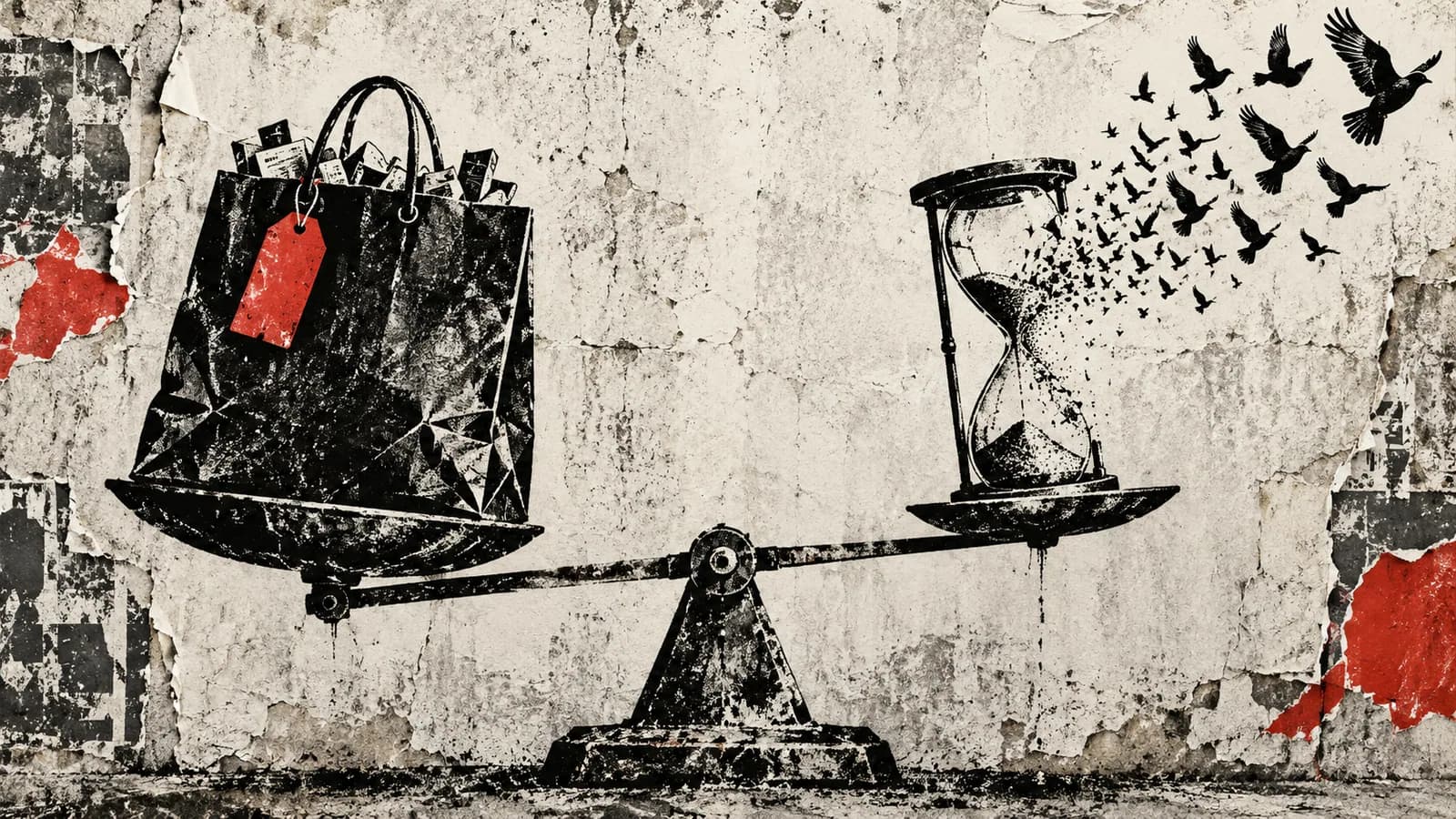
Effort is part of the price
Time spent extracting information has a cost. So does managing pressure, repeating preferences and preparing to decline things you did not ask for.
I may accept a higher monetary price for a process that removes those burdens. That is not evidence that I need somebody to teach me how to shop. It is evidence that I value more than one thing.
A business that assumes every customer wants the theoretical lowest price at any procedural cost will misunderstand buyers who prefer a clear, acceptable offer and their afternoon back.
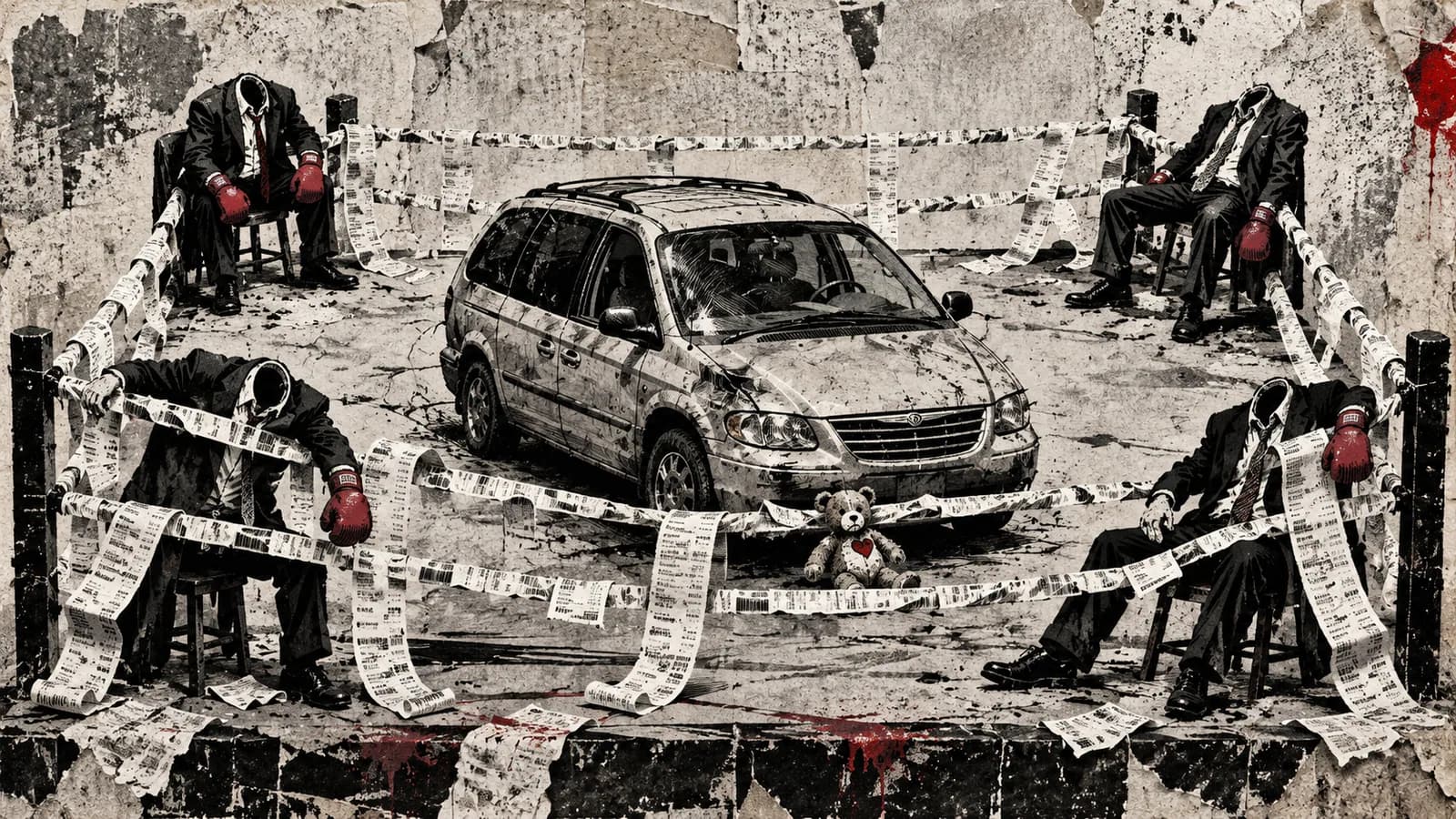
The game is the problem
What bothers me is the pride attached to surviving the ordeal. A good buyer knows the tactics, anticipates the next move and refuses the first version of the deal. An ordinary purchase becomes a test of whether you can outlast somebody doing this for a living.
Then the industry acts surprised that people want an exit. It has spent years making caution feel necessary and now wants credit for offering reassurance. The arsonist has a very competitive fire-safety package.
I do not need someone to explain that bargaining can produce a lower number. I am aware. I am also aware that my time, attention and willingness to argue belong to me. I can spend money to retain them. That decision is not invalidated by a guy in a polo shirt explaining that I left money on the table.
The supposedly sophisticated buyer and the exhausted buyer are being made to play the same game. One happens to enjoy winning it. That does not make the game a public service.
Buying a car should not require winning a contest against the company selling it. If that sentence sounds threatening to the business model, the model deserves the anxiety.
Twenty years in marketing and design, across industries. Still paying attention. Considerably less patient.
More about me ↗