A brand can keep looking familiar long after the experience underneath it has changed. That is convenient for the brand and occasionally miserable for the customer.
The logo arrives carrying a suitcase full of memories. The product then has to unpack it. If what comes out bears no resemblance to what people remember, another campaign about heritage will not fix the discrepancy.
Memory creates expectations
I do not think nostalgia is inherently dishonest. It can tell people where a company came from and why its work mattered. The problem starts when the past becomes a substitute for describing what somebody can buy now.
A restaurant remembered for generous service cannot advertise its way around an unpleasant visit. A software company remembered for simplicity cannot hide a confusing product behind the old visual identity. A game franchise cannot assume a familiar soundtrack will make every new decision feel right.
The customer supplies the expectation and the current experience supplies the verdict. The brand department does not get a deciding vote.
The customer is comparing two products
One product is the thing you sell. The other is the remembered version that made someone care in the first place.
That comparison can be unfair. People forget old inconveniences and remember how an experience felt at a particular point in their lives. A company cannot recreate somebody’s childhood, and trying to sell that promise would be grotesque.
But dismissing every complaint as nostalgia is equally convenient. Sometimes a customer can identify exactly what changed: less control, more friction, missing functions, a worse service experience. Calling that resistance to change saves management the trouble of answering it.
The past keeps paying the bill
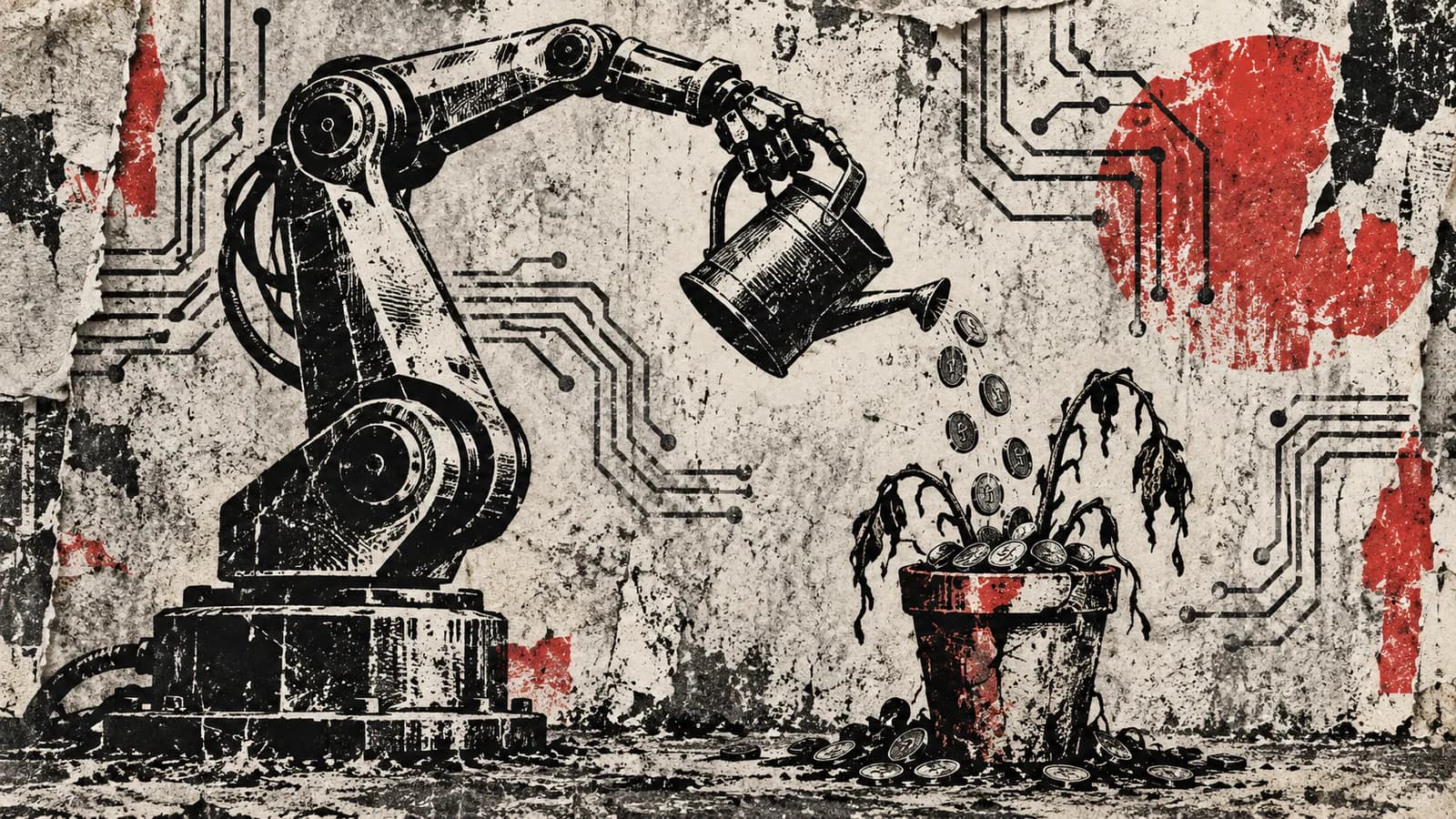
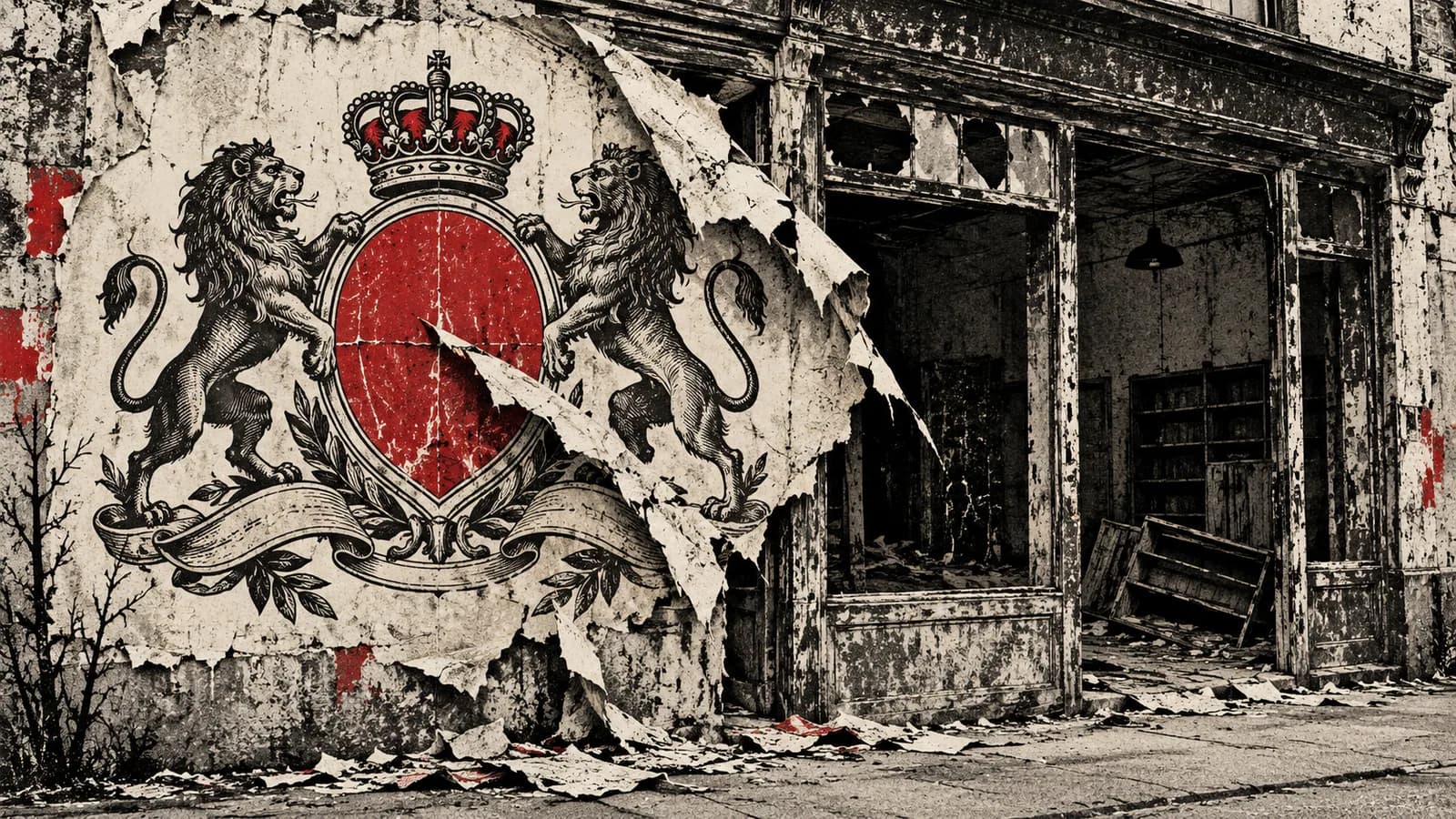
From a design perspective, the depressing part is how well the surface can survive. The right color, the right type, a beautifully preserved mark. Everything that says familiar, attached to an experience that has been quietly stripped for parts.
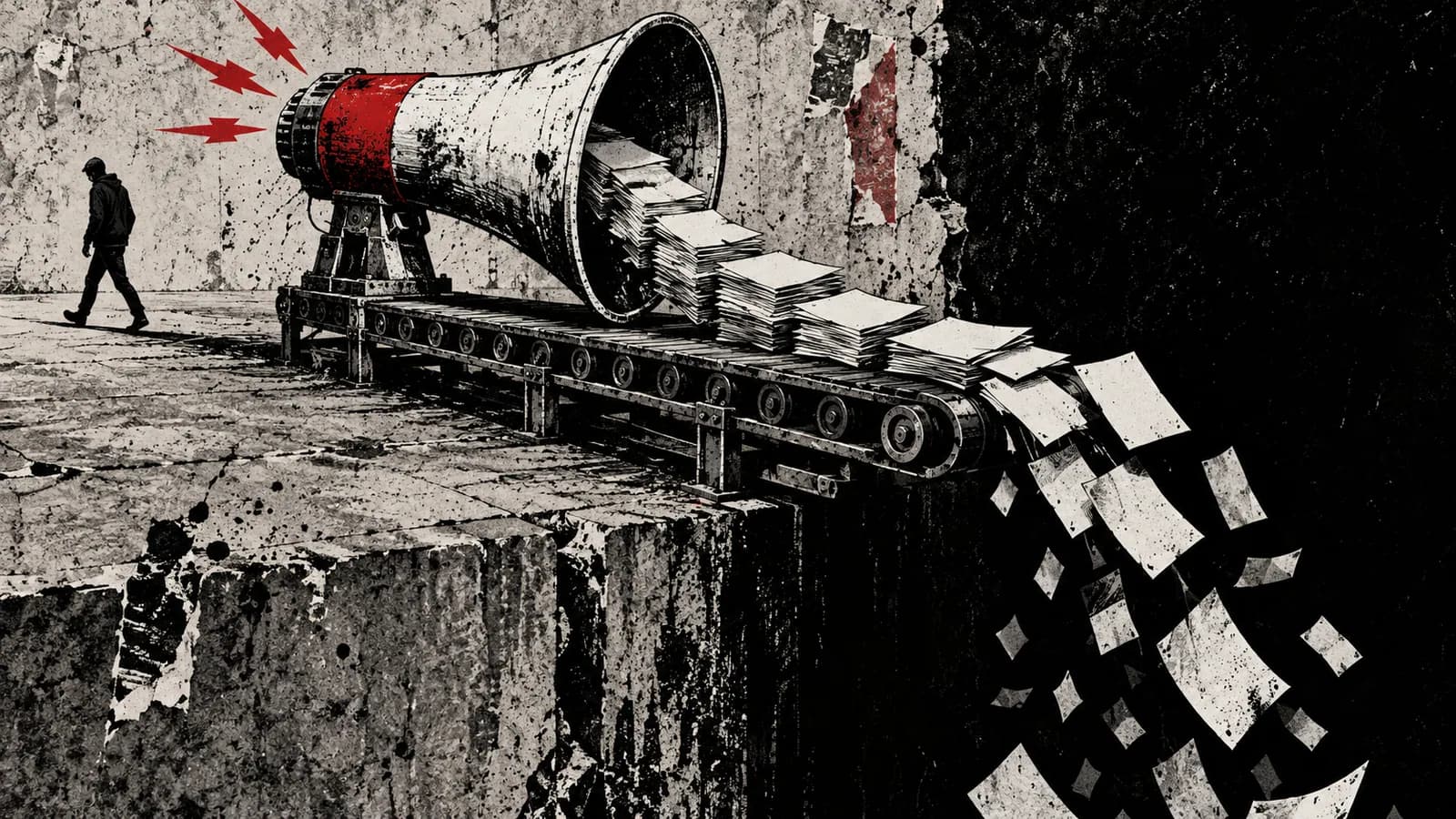
Then the customer notices, and somehow the customer is the unreasonable one. Too nostalgic. Resistant to change. Unable to appreciate the new direction. Management gets to spend the reputation; the audience gets a lecture about moving on.
We have all seen this performance. Something people cared about becomes a collection of recognizable assets, and the assets are treated as though they created the affection by themselves. The human history gets reduced to a licensing opportunity. A corpse in a vintage jacket still photographs beautifully.
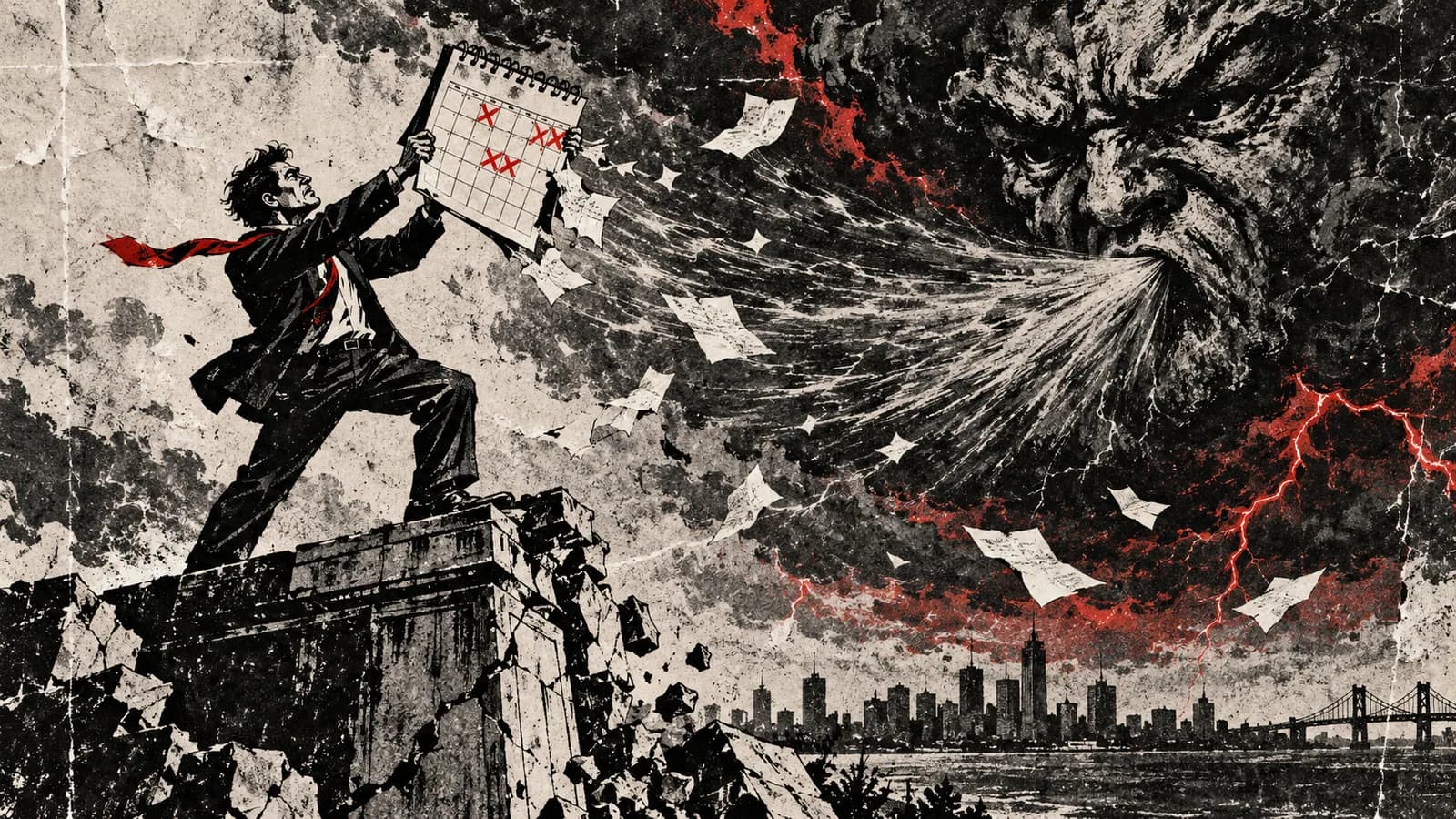
What interests me is the delay. Memory can protect a business from the consequences of its present behavior for a while. People give it another chance because an earlier version earned one. That delay gets mistaken for proof that nothing important was lost.
Eventually another chance becomes the last one. The brand team can still produce a gorgeous anniversary campaign. There may simply be nobody left who wants to attend the funeral.
Twenty years in marketing and design, across industries. Still paying attention. Considerably less patient.
More about me ↗