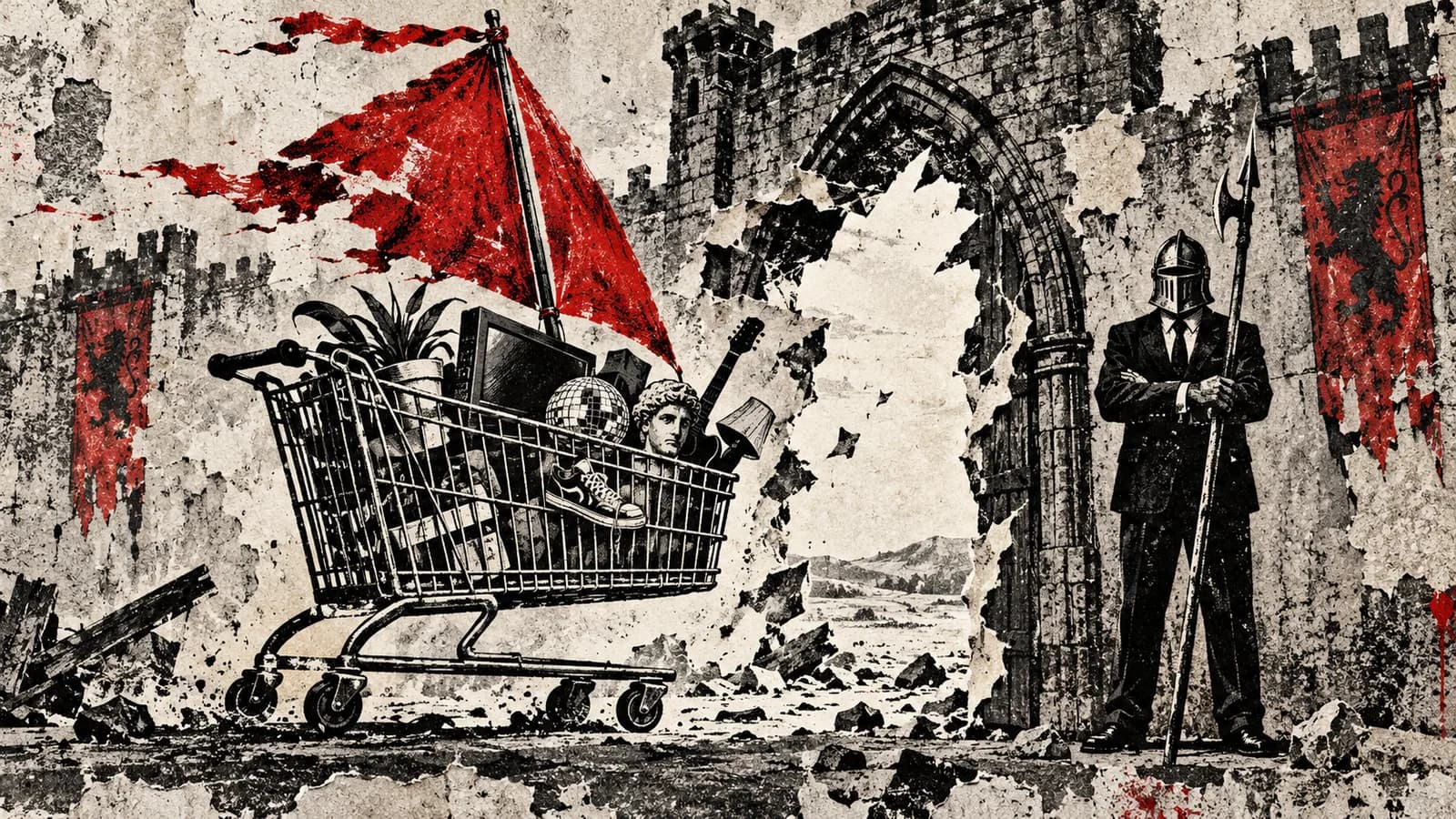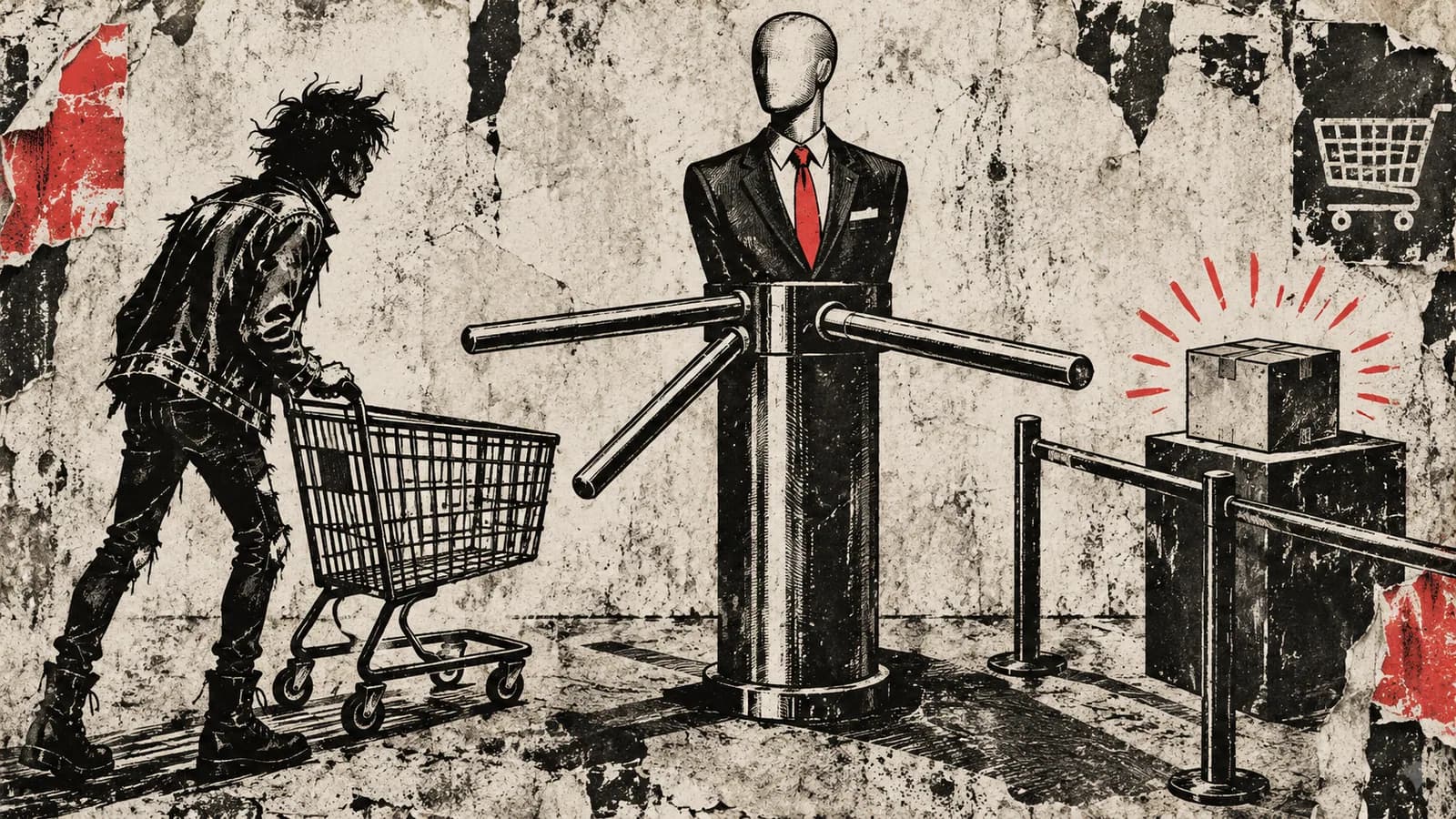
There is a familiar moment in a purchase when progress stops being about the product and starts being about managing the person selling it.
You know what you want to establish. They know which stage of the process they would like you to occupy. Suddenly an ordinary transaction has become a small diplomatic incident with complimentary coffee.
My position is simple: when a salesperson is mandatory, the salesperson is part of the cost of buying. The business should have to justify that cost to the customer, not merely to itself.
Friction can look like service
A required call may be described as personalized assistance. If I need the assistance, excellent. If I need a published answer and cannot get it without the call, the company has created the problem its employee is being paid to solve.
An illustrative buyer wants to compare three options. Two businesses provide scope, price and limitations. The third offers a conversation about their goals. That conversation may be sincere. It is still an additional task before the buyer can make the comparison.
The business may regard that task as an opportunity to establish value. The buyer may regard it as a reason to eliminate the option. Both interpretations can exist. Only one of them tends to appear in the sales training material.
Expertise is not the same job
Someone can have useful knowledge and also have a financial reason to steer the answer toward a purchase. The knowledge does not cancel the incentive.
I want expertise available outside the purchase path: information I can inspect, advice I can seek and help I can use without first becoming a closing opportunity. Complexity strengthens the need for that arrangement. It does not justify making the conflicted intermediary compulsory.
This is not a complaint about whether the employee is pleasant. A perfectly pleasant person can still occupy a role whose objectives conflict with my desire to decide in peace.
The institution grades its own homework
The sales team can describe every deal it helped close. It cannot describe every person who saw the required call and disappeared. Yet the first group becomes proof of the model, while the second barely exists inside the company’s account of itself.
That is an extraordinarily convenient arrangement for a department whose survival depends on the necessity of the department. The people who tolerate the process become the evidence that people want the process. Everyone else is poor-quality traffic, not ready, not serious. Certainly not an adult with money who decided this was already too much bullshit.
I am one of those missing people. I actively avoid the interaction. I do not need to meet the salesperson and discover that they are charming before deciding whether I want a salesperson involved. The role tells me enough about the incentive.
Businesses have had decades to understand this. We are still supposed to applaud when one finally lets someone buy without an interview. The bar is underground, and somebody is charging admission to climb over it.
An industry’s need to keep its people busy is not my obligation as a customer.
Twenty years in marketing and design, across industries. Still paying attention. Considerably less patient.
More about me ↗