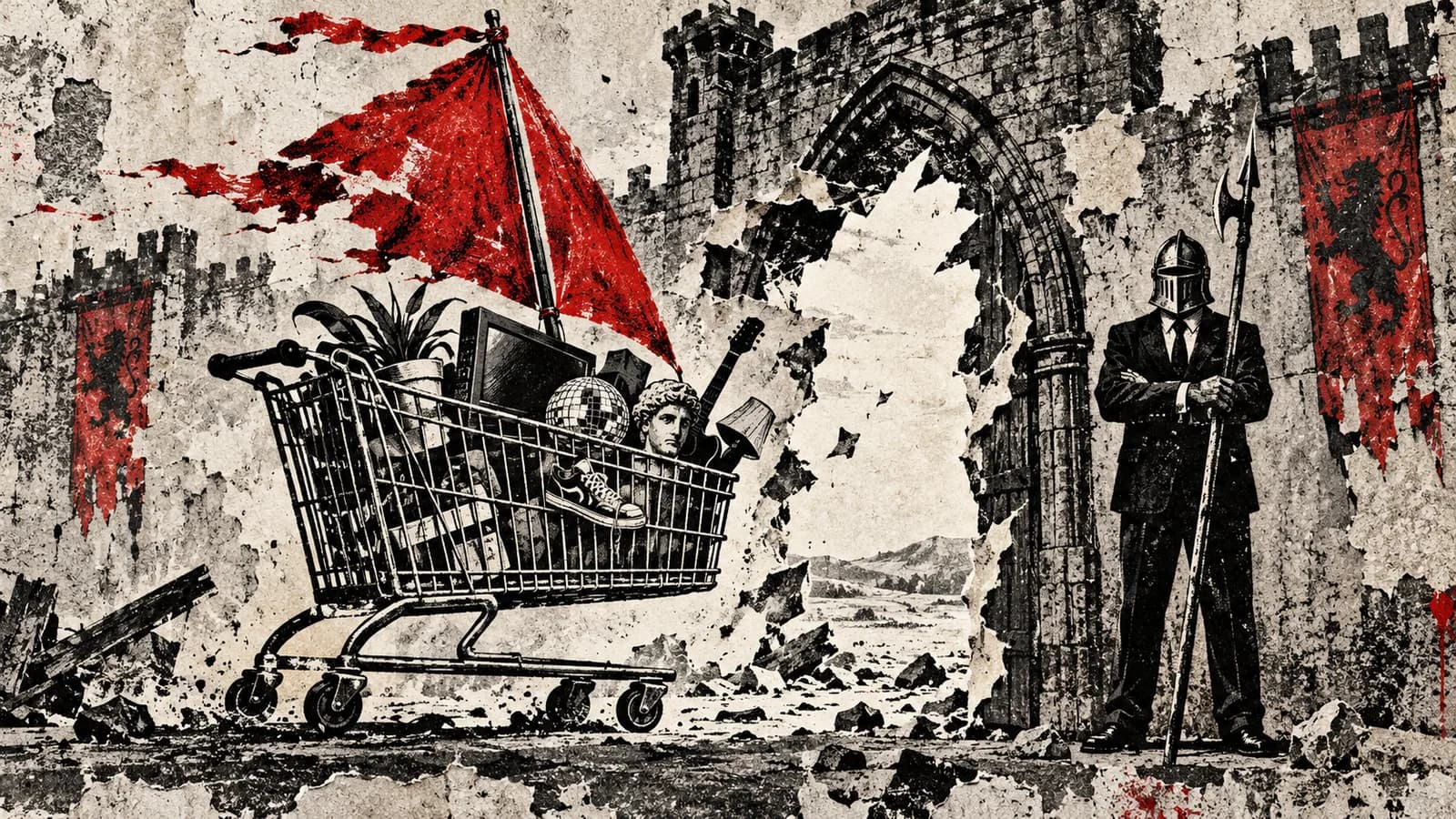
The customer can research the product, compare alternatives and arrive with a specific question. Some businesses still respond as though the first task is to establish whether the customer is allowed to know anything.
Name. Phone number. Budget. Timeline. A short call. A longer call. A demonstration. Somewhere in this administrative pilgrimage, the price may reveal itself.
The internet gave customers more ways to investigate a purchase. That makes a process built around compulsory information gatekeeping particularly irritating.
Access changes the relationship
I am not nostalgic for a supposedly innocent period when everybody trusted salespeople. My objection to the old model is not that it has recently become unpleasant. It is that its justification becomes harder to accept when a business can publish useful information and chooses to make a conversation the toll instead.
An online listing can explain specifications. A comparison can expose differences. A demonstration can show the product doing something real. None of those automatically guarantees accuracy. They do let me begin evaluating without negotiating access to the evaluation material.
That changes what a helpful business needs to provide. The customer may arrive further along, with a better question, or having already decided the product is unsuitable. Treating all three as the beginning of the same sales script wastes information the customer has already supplied.
Research is work
When I have invested time in understanding a purchase, forcing me through introductory theater feels like a penalty for being prepared.
Consider an illustrative buyer who has compared dimensions and compatibility and needs one technical answer. The useful response addresses that answer. The obstructive response restarts the relationship with a discovery call because the process has nowhere to put a person who has already discovered things.
Companies should be able to accept an informed decision without insisting on participation in its formation.
The internet is not a recent development
The first time this argument was made, somebody probably had to disconnect a telephone to read it. We are well past the point where publishing enough information to let a customer decide counts as visionary thinking.
And yet the same ritual survives behind newer interfaces. The brochure became a website. The website became a form. The form became an automated invitation to have the conversation the brochure could have answered. Tremendous progress. We digitized the locked door.
The technology changed much faster than the assumption underneath it: the business should control the customer’s access to a decision. Once the buyer can do the research elsewhere, that assumption becomes a liability. The company no longer holds the information advantage it thinks it is defending.
I find the persistence more interesting than the supposed innovation. Entire structures of staffing, reporting and status can depend on a problem remaining unsolved. An informed customer walking straight to the transaction threatens more than a script. They threaten the story the organization tells about why the script is necessary.
That is why an ordinary adult buying independently can still be treated like a disruption. The customer finished the work. The institution was counting on supervising it.
Twenty years in marketing and design, across industries. Still paying attention. Considerably less patient.
More about me ↗