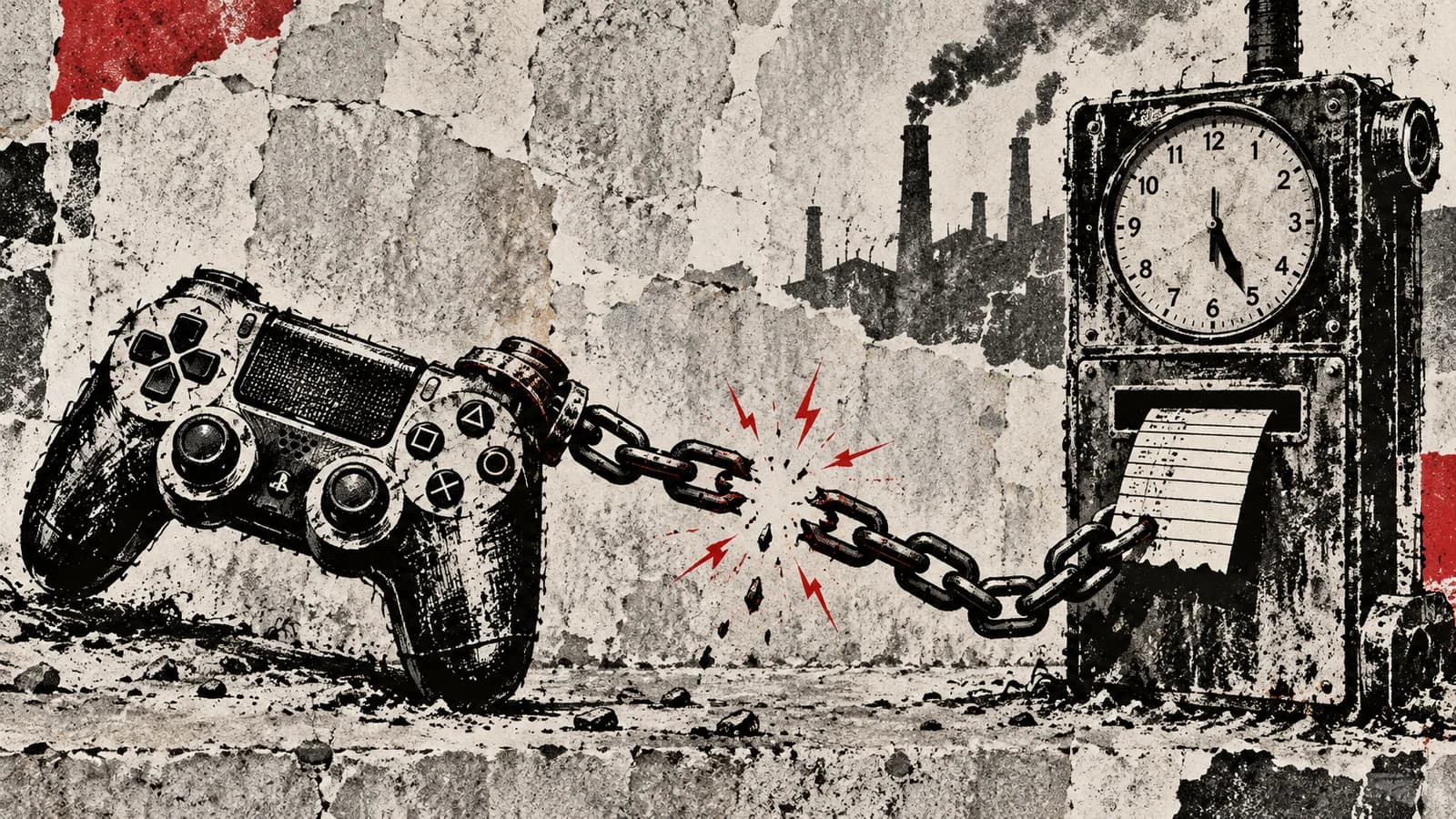
I already have obligations. I do not need my entertainment to issue more of them with a countdown timer.
There is a particular kind of game design that turns the simple decision to play something into a small administrative crisis. Which reward expires first? How far behind am I? What did I miss while having the audacity to do something else?
At some point the game stops asking whether I am having fun and starts checking my attendance.
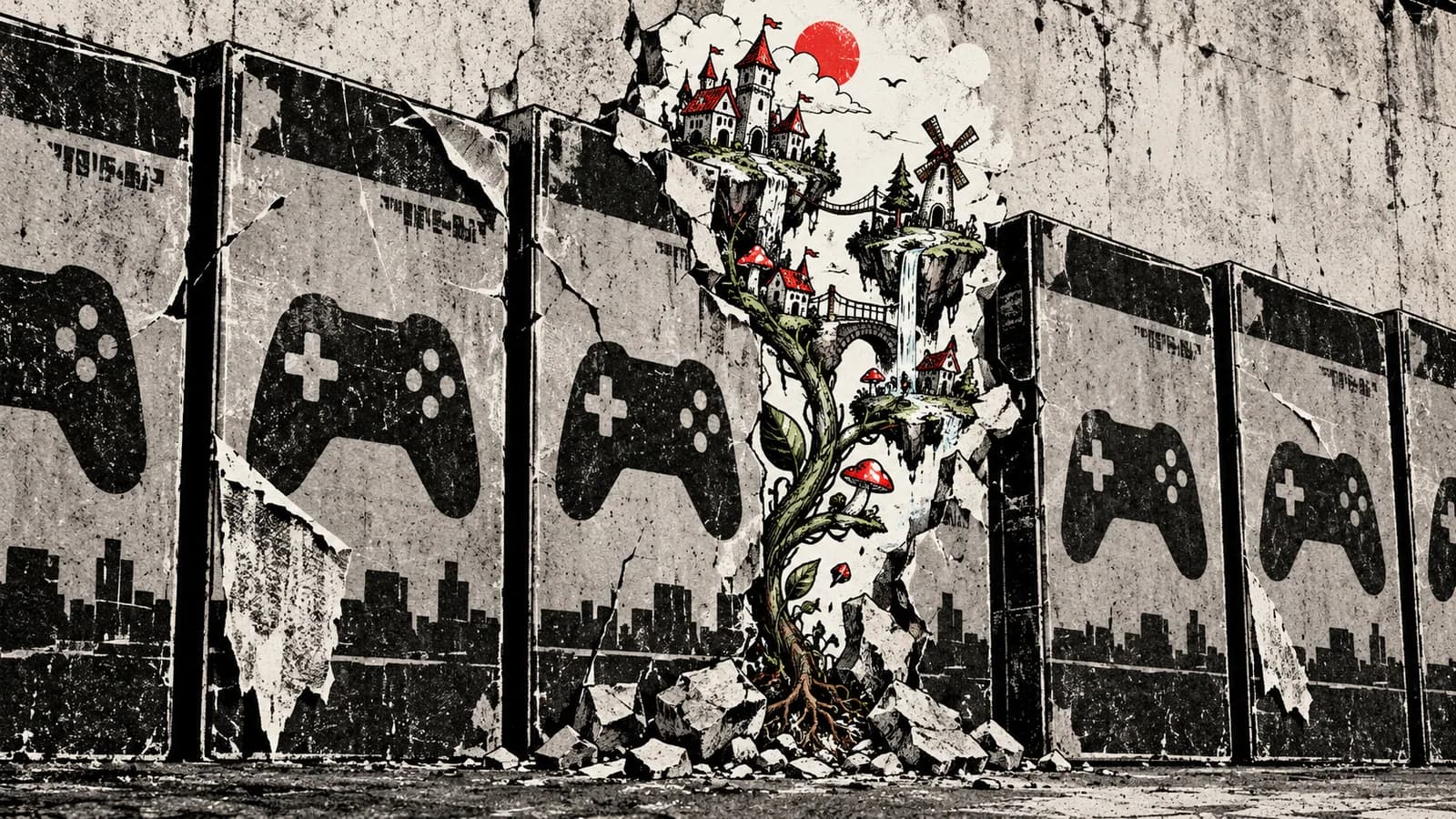
Commitment should belong to the player
People can love a demanding game. They can spend years mastering it, organizing teams, studying systems or exploring everything it offers. That depth is part of what makes games extraordinary.
The problem begins when the design confuses voluntary dedication with pressure to maintain a schedule.
Mastering a difficult encounter asks something of my ability. Logging in before an arbitrary reward window closes asks something of my calendar. Both can keep me occupied. They are not the same kind of achievement.
If I take a week away, I want the game to remain something I can choose. I do not want to return to a performance review.
More hours is not always more value
Imagine buying a book and being told that the last chapter unlocks after you reread the preceding chapter every evening for a month.
Somebody could point to the remarkable increase in reading time. Most readers would identify a more obvious explanation: the author has become an asshole.
Games are not books, and repetition can be central to play. The question is whether the repetition continues to produce discovery, expression, challenge or pleasure. When it exists mainly to delay access to the thing the player actually wants, the design deserves scrutiny.
Length is a quantity. Value is a judgment. Stop pretending the first one settles the second.
Make returning feel like returning
A player coming back after a break should be able to understand what matters. Explain the changes. Let obsolete requirements go. Do not bury the playable experience beneath a stack of promotional windows and currencies that need their own accountant.
And let the player leave again.
A healthy relationship with a game can include periods of not playing it. The affection may survive precisely because the experience does not punish that absence.
There is room for an ending
I want more confidence in experiences that know when they are done. Deliver the idea. Let the conclusion land. Give the player something to remember rather than another list to clear.
There will always be room for worlds people inhabit for years. There should also be room for a game that makes one weekend better and then releases you back into your life.
Neither needs to apologize for its scale. Both need to earn the time they ask for.
Entertainment is allowed to be a pleasure. We do not have to turn every hobby into another employer.
Twenty years in marketing and design, across industries. Still paying attention. Considerably less patient.
More about me ↗