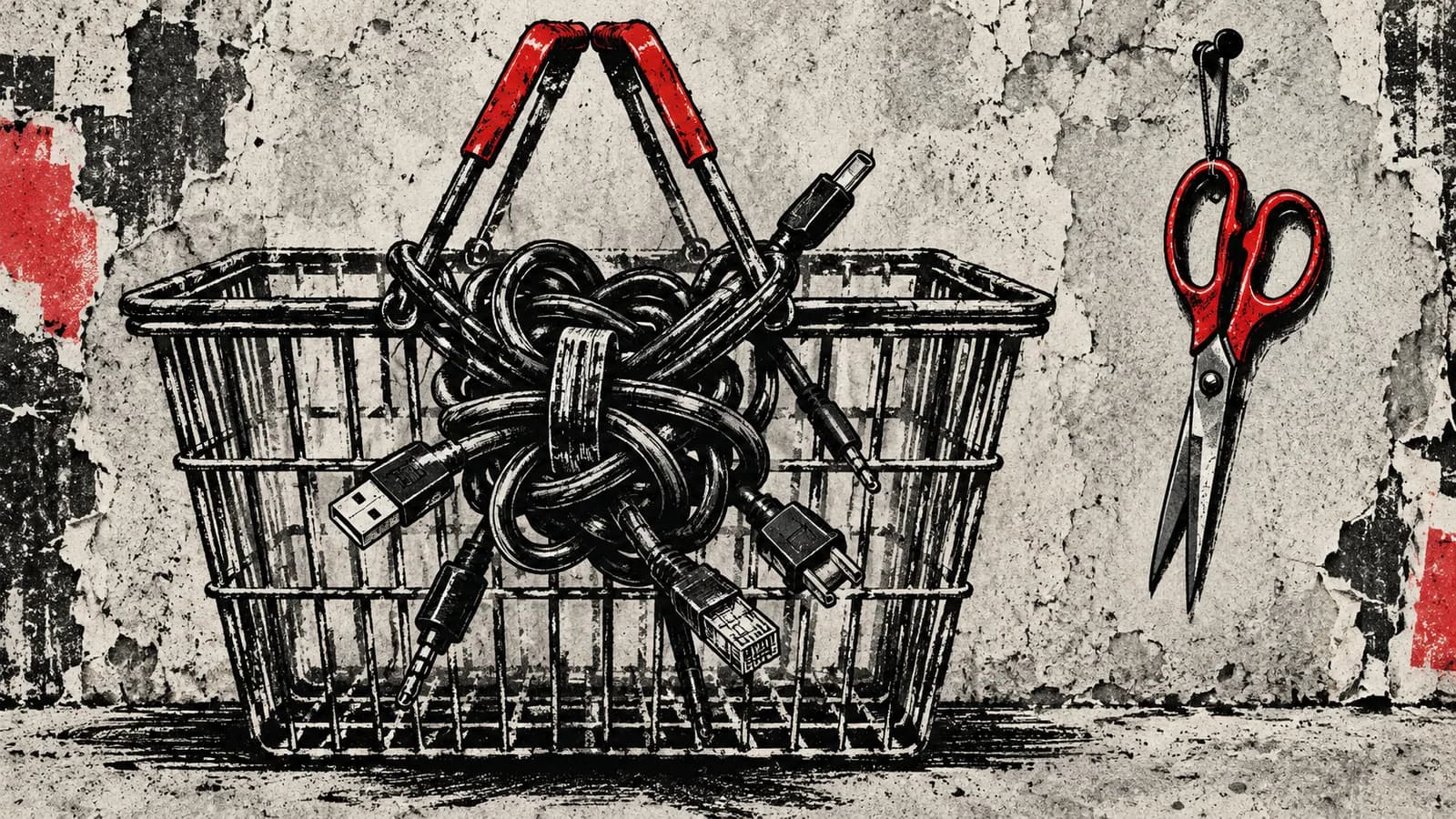
When I need to buy something, I use Amazon. When I need something quickly, I often use Walmart. That is the shopping pattern I have settled into.
The attraction is that I can move through the decision without managing a person whose job is to influence it. Nobody needs to establish rapport with me before I can inspect a product.
I am not shopping for a relationship. I am shopping for the thing.
Control over the pace
A self-directed process lets me compare, reconsider, leave and come back. I can spend too long reading details if I want. I can make a decision quickly if I already know enough.
That control is valuable even when the interface is imperfect. The interruption I am avoiding is not human contact in general; it is compulsory participation in somebody else’s sales routine.
Imagine replacing a product page with a person who insists on discussing your goals before showing the relevant options. Some buyers might find that helpful. I would like the page back.
I know I am in a marketplace
Amazon sells Sponsored Products advertising, including cost-per-click promotion of product listings. That is a commercial mechanism, not a disinterested ranking of what is best for me. [1]
I can recognize paid placement without needing a mandatory intermediary to interpret the entire purchase. The existence of advertising is not an argument for putting a closer back in the room.
My preference remains valid without pretending the marketplace is neutral. I can want direct access while also wanting clearer distinctions between paid placement and other information.
An imperfect marketplace can still leave me with more control than a conversation I never wanted.
The absence is the service
The interesting thing about my preference is how little the retailer needs to know about my feelings for it. I do not have to feel loyal or inspired. I need the transaction to fit into my life. When it does, I come back.
That is uncomfortable for businesses invested in the idea that their personality is essential to the purchase. An ordinary successful transaction can happen without anyone building rapport. No discovery session. No carefully timed personal anecdote. The customer might even enjoy the silence.
For people in marketing, there is something darkly funny about how often this gets described as a relationship problem. The relationship may be working precisely because the company is demanding less of one. A customer can value the lack of involvement as much as the offer itself.
I know Amazon is selling things to me. I know the page has commercial interests. I can still leave, compare and finish without managing a human being’s attempt to keep me in the conversation.
This is not an obscure consumer insight waiting to be monetized at a conference. It is an ordinary preference, expressed millions of different ways by people trying to get on with their day. The industry’s refusal to hear it is more remarkable than the preference.
Sources & further reading
Twenty years in marketing and design, across industries. Still paying attention. Considerably less patient.
More about me ↗