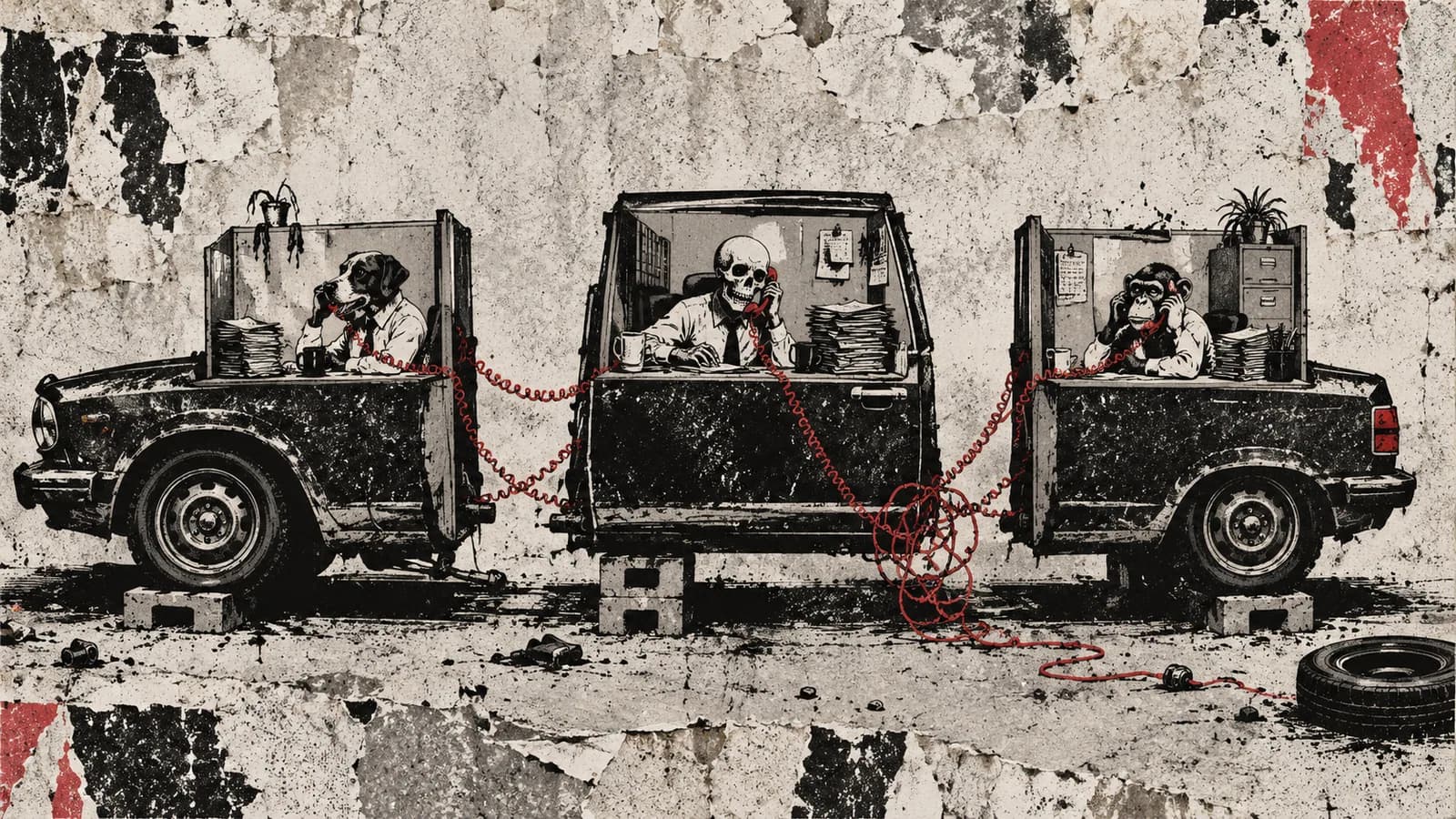
Automotive has an impressive ability to manufacture a second business out of explaining the first one to itself.
Run a dealership. Leave a dealership. Become the person who tells other dealerships how to run a dealership. Add a conference badge, a publication, a membership and a proprietary framework. Eventually the framework becomes so proprietary that it appears to consist entirely of things everyone in the room has heard before.
My problem is not that people share experience. My problem is the automatic promotion of experience into authority, and authority into an invoice that nobody seems particularly interested in evaluating.
A previous job is not a controlled experiment
Someone can have worked inside a successful business without being the reason it succeeded. They can also have made a valuable contribution that depended on a market, inventory position, management team or source of demand that your business does not share.
The authority pitch has very little interest in that distinction.
If the explanation for a result cannot separate what the adviser changed from what was already happening, you have an anecdote. Anecdotes can be useful. They should not arrive dressed as a law of physics.
I have spent roughly twenty years watching similar mistakes recur across companies and markets. The repetition has made me less tolerant of certainty, especially when the people selling it keep returning to explain the same failures.
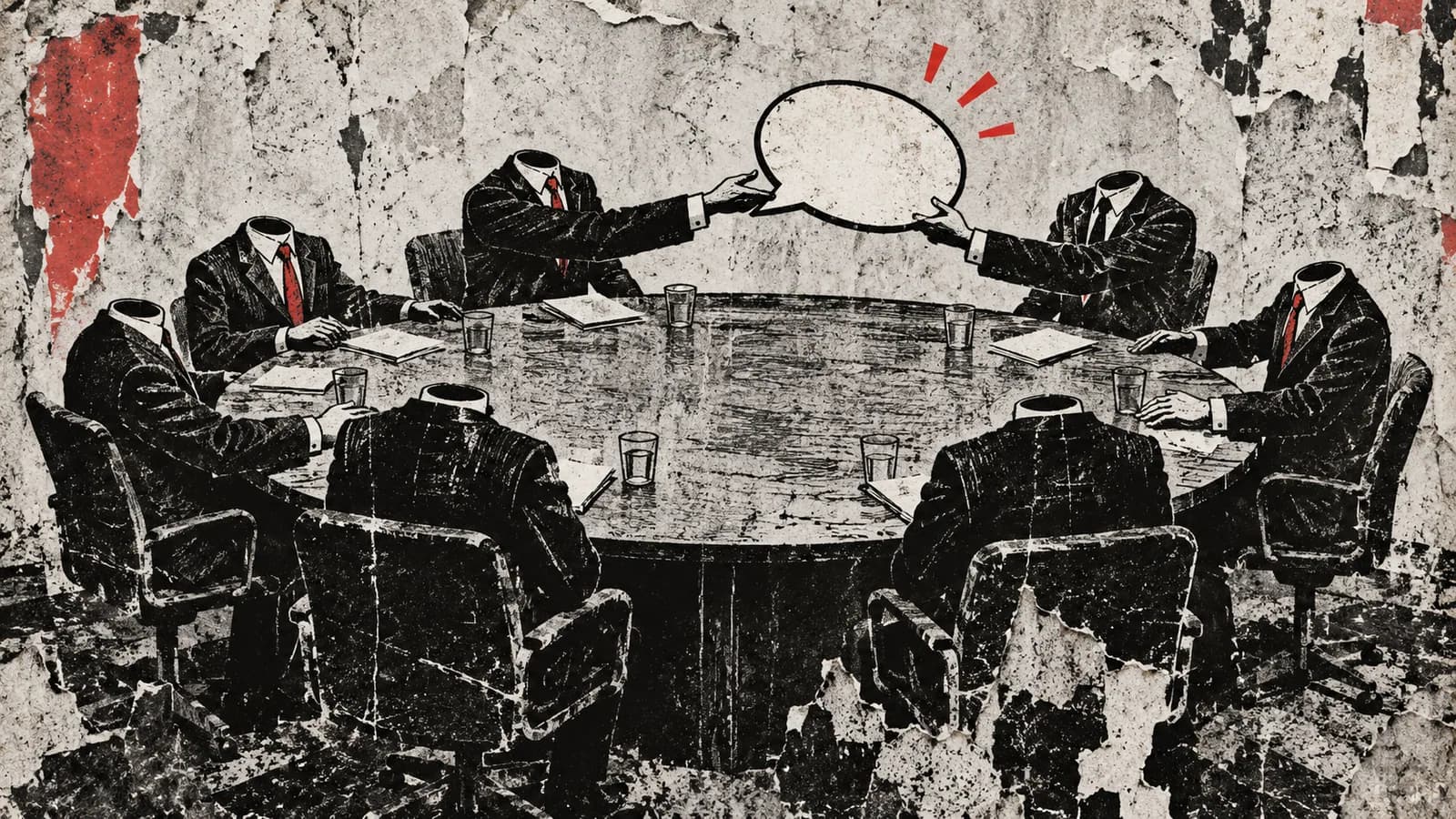
The room can become the product
NADA describes its 20 Group offering in terms of peer exchange and financial comparisons. Its consulting service also uses dealership analysis and comparisons to inform recommendations. Those are identifiable activities, and comparing operations can reveal useful questions. [1] [2]
My criticism is what happens when belonging to the room becomes a substitute for testing the advice that comes out of it.
A peer consensus can still be a group of people defending the same inconvenient process. A benchmark can tell you how you compare with businesses using that process. Neither automatically tells you whether the process deserves to survive.
If everybody measures the same obsolete thing, being above average is not the victory the certificate suggests.
The ballroom has a very long lease
The durable product here is permission to feel certain. A room full of similar operators can make an inherited assumption feel like professional consensus. The publication repeats it. The stage gives it a microphone. The next adviser cites the industry’s accumulated wisdom, which is starting to sound suspiciously like the same sentence wearing six name badges.
Meanwhile, the customer’s refusal to participate gets translated into an objection to overcome. The possibility that the room is protecting the problem barely survives the registration desk.
This is why the latest LinkedIn guru does not feel new to me. The delivery is shorter and the lighting is worse, but automotive had the machinery long before the algorithm arrived. Authority reproducing authority. Experience converted into certainty. Certainty sold back to an industry frightened of losing its place.
People looking for real help deserve better than an expensive loop of mutual reassurance. They are paying because something is wrong. The answer cannot forever be another meeting with the people who taught everyone to call it normal.
The ballroom will be there next year. The business paying to sit in it may not. Somehow only one of those outcomes appears to trouble the advice industry’s business model.
Sources & further reading
Twenty years in marketing and design, across industries. Still paying attention. Considerably less patient.
More about me ↗