There is a difference between wanting to return to a game and feeling that you have to check in before something expires.
One is affection. The other is attendance management with particle effects.
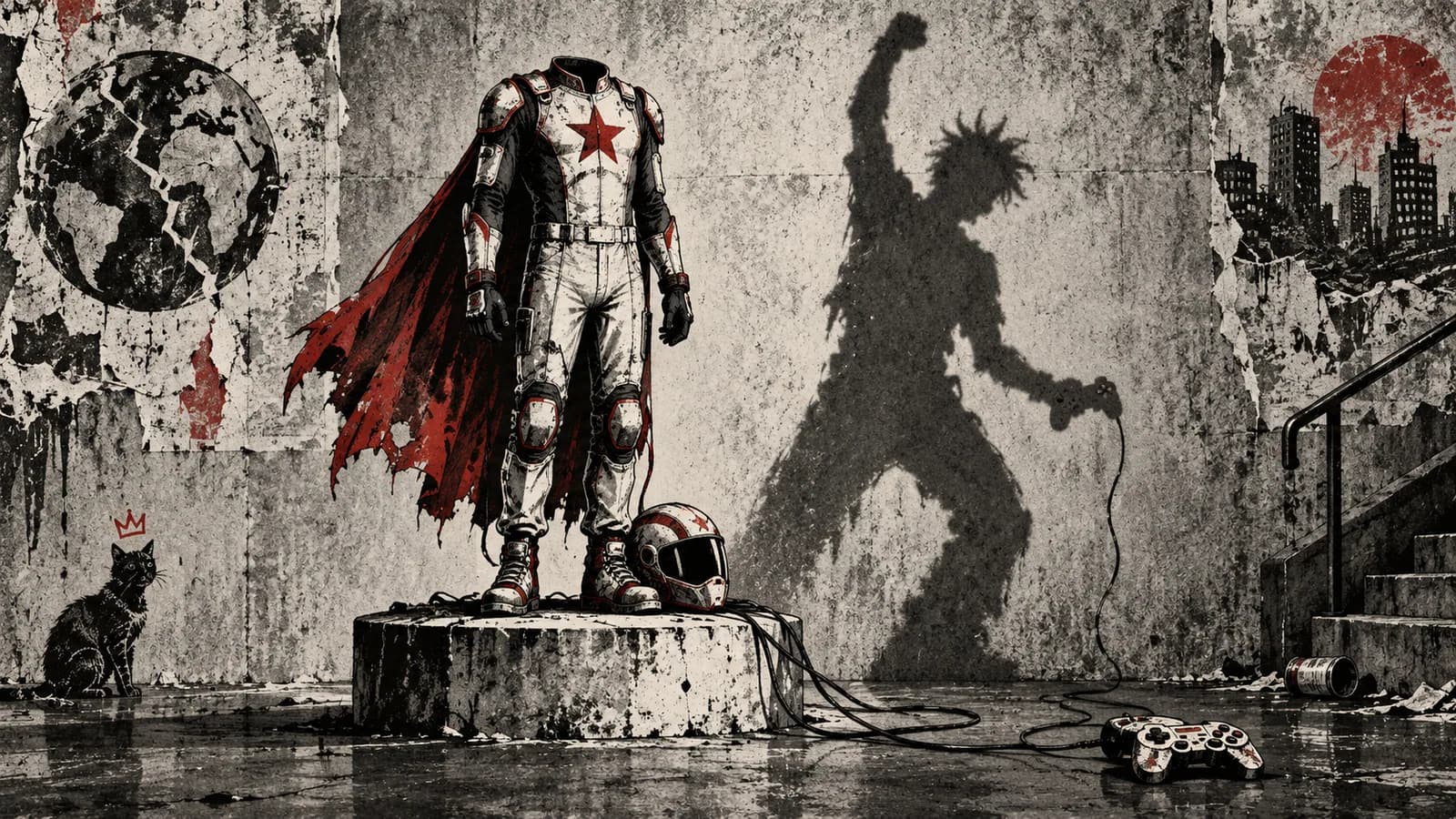
I care about games that leave something behind when I stop playing: a place I want to revisit, a mechanic I am still thinking about, a story with enough weight to survive the credits. The game does not need to occupy every spare hour to have mattered.
Returning is not the only useful outcome
A complete experience can end. That should not be a controversial proposition, but it becomes awkward when every creative decision is expected to justify another session.
Imagine a short game with a satisfying conclusion. The player finishes it, tells a friend and remembers it fondly. Now imagine the same game padded with repetitive tasks so the average playtime looks more impressive.
The second version might produce a larger number. It has also spent more of the player’s life getting to the same place.
We should be allowed to ask whether that was worth doing.
Give the player something to miss
A strong game can make an ordinary action feel specific. Movement has a rhythm. A place has a mood. A sound tells you something before a tutorial does. You learn a system well enough to begin expressing yourself through it.
Those are reasons to come back. They are part of the experience itself.
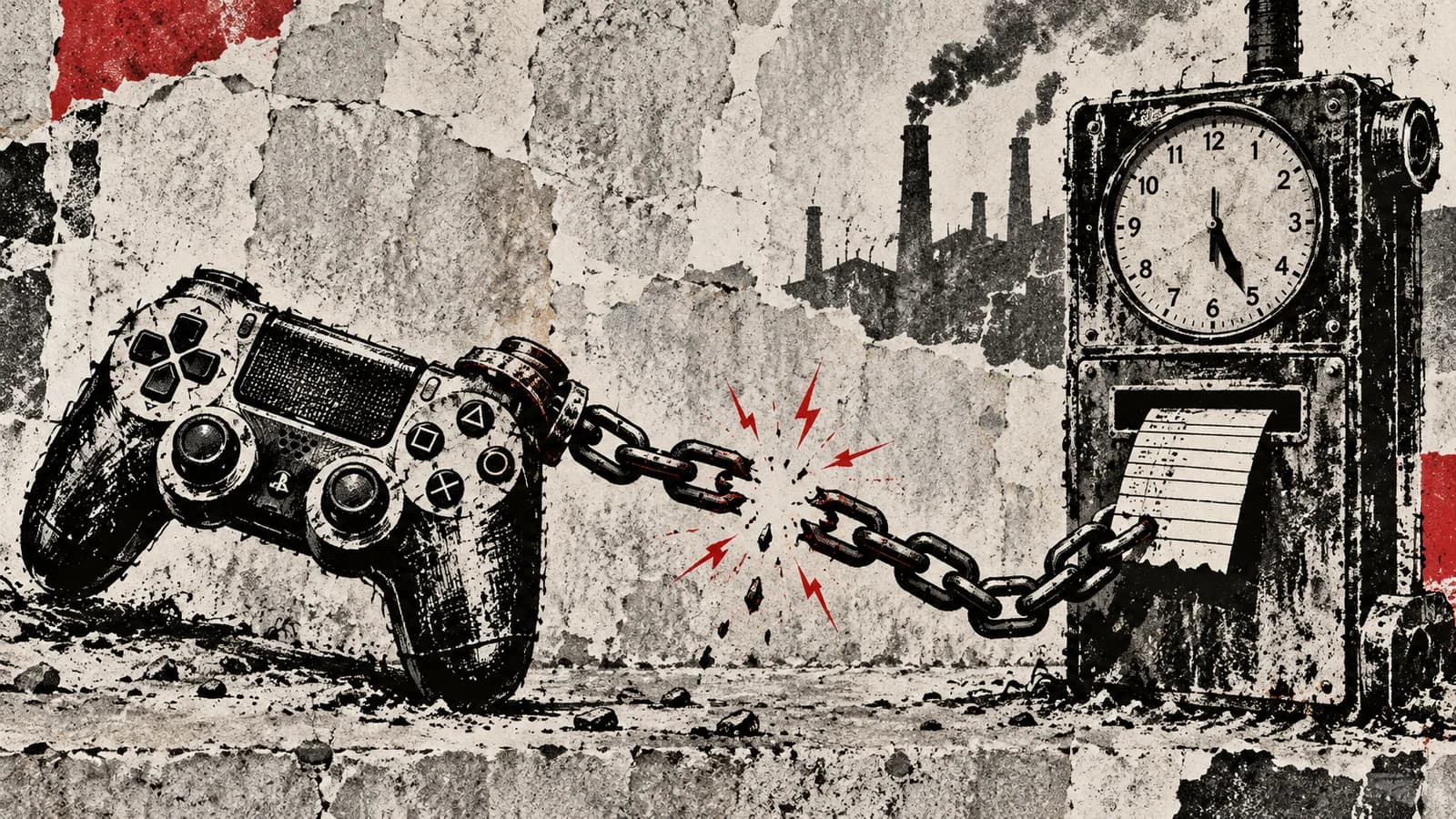
A calendar of rewards can accompany that experience. It cannot create the underlying attachment on command. If the main reason to log in is that the game has threatened to take something away, the relationship is doing a very convincing impression of a bad job.
Nostalgia is a clue, not a design document
The games people remember are tied to circumstances as well as mechanics. Who they played with, how much time they had, what felt new at the time. Recreating an interface cannot recreate being sixteen.
That does not make older design irrelevant. It makes the useful question more precise: what did the experience allow someone to feel or do, and can that still work in a different context?
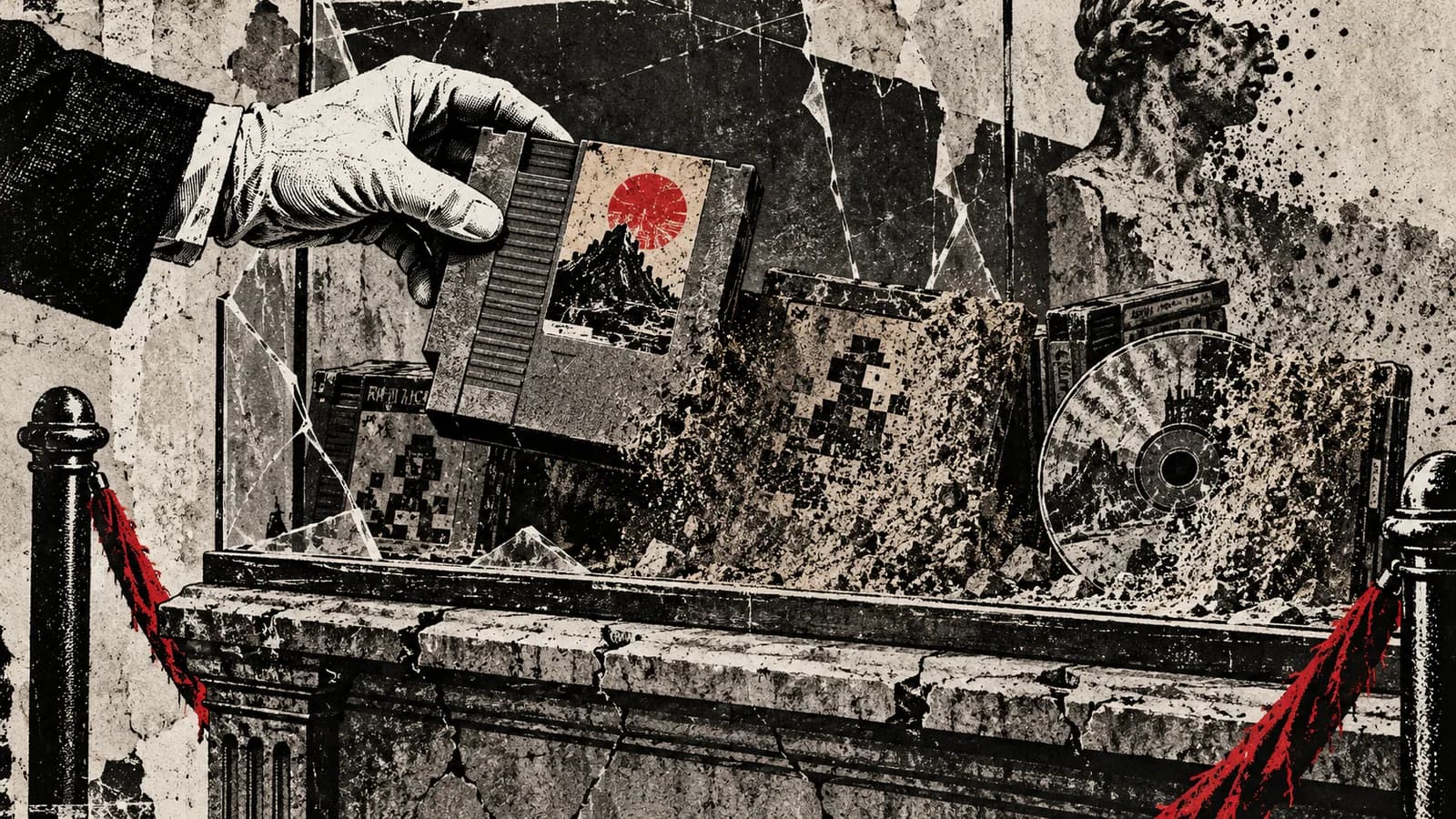
Borrowing the visual language without understanding the interaction gives you a museum gift shop. Everything looks familiar and somehow none of it is the thing you came for.
Let an evening be enough
I want games to respect the fact that they exist alongside a life. Let me stop without guilt. Let me return without feeling academically behind. Make the time I choose to spend feel worthwhile.
That leaves room for enormous games, competitive games and games people happily play for years. Commitment can be a pleasure when the player chooses it.
The part I reject is treating that commitment as something the design is entitled to extract.
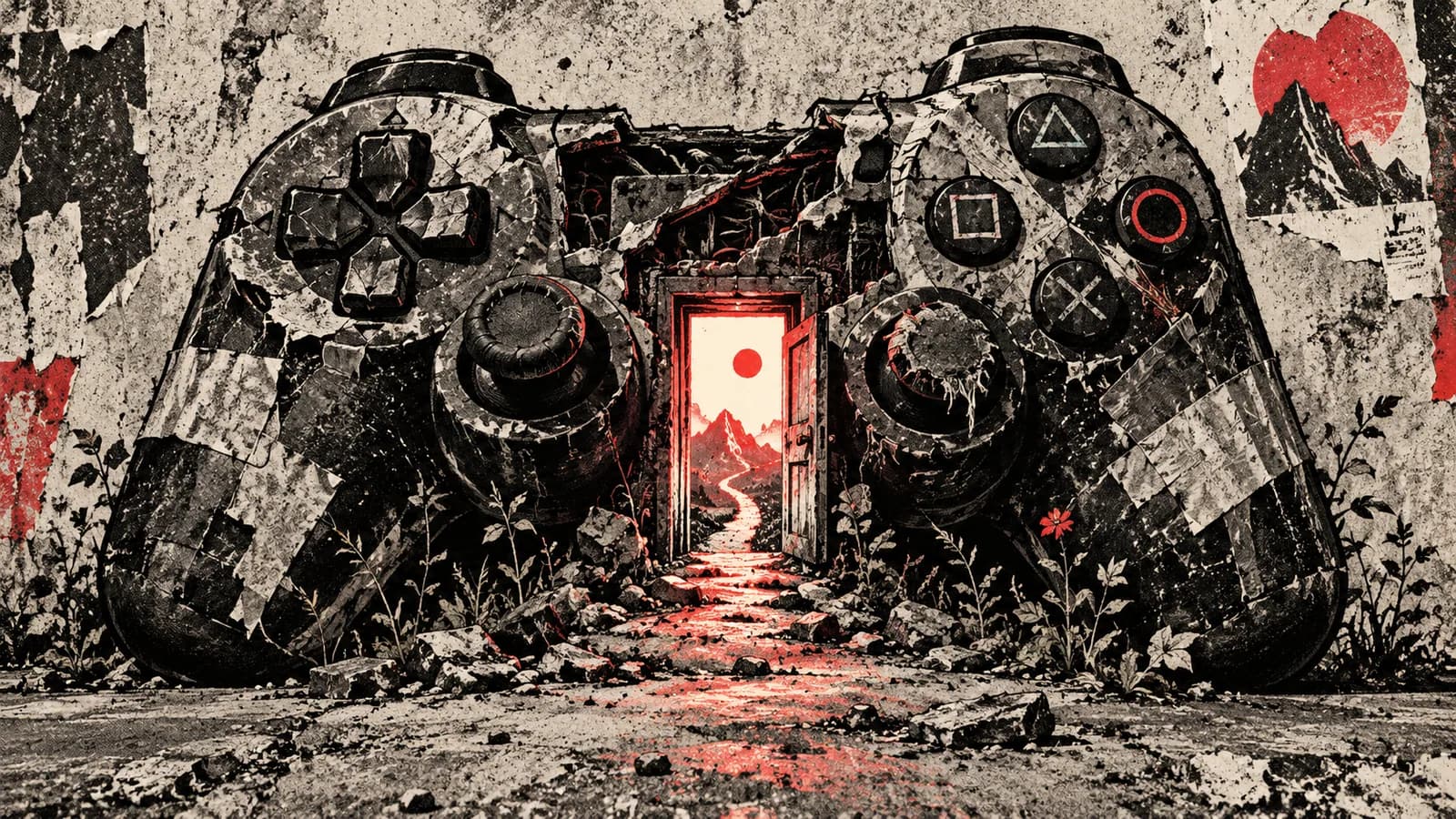
A game worth returning to does not need to stand in the doorway checking whether I completed my daily chores.
Twenty years in marketing and design, across industries. Still paying attention. Considerably less patient.
More about me ↗