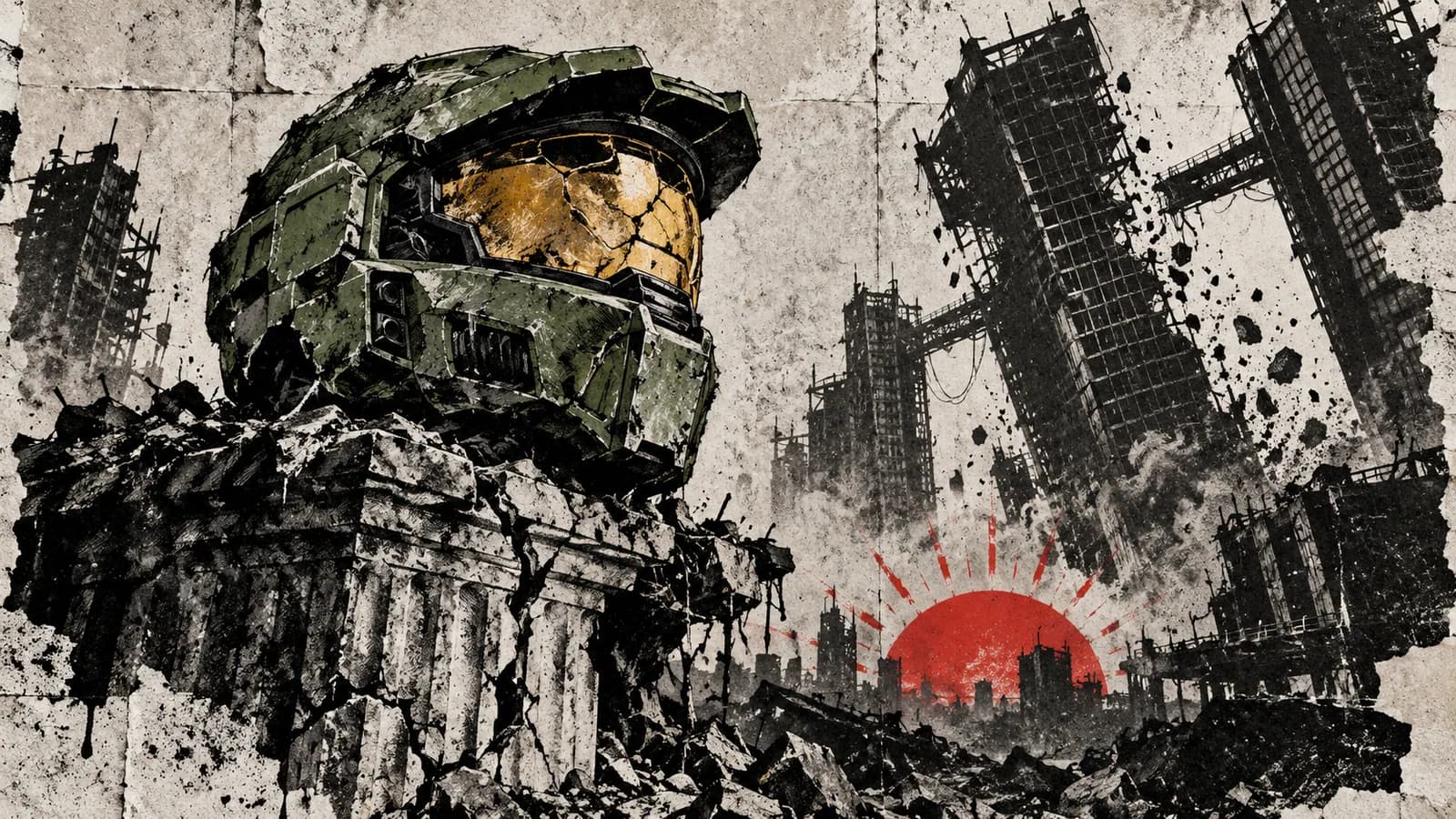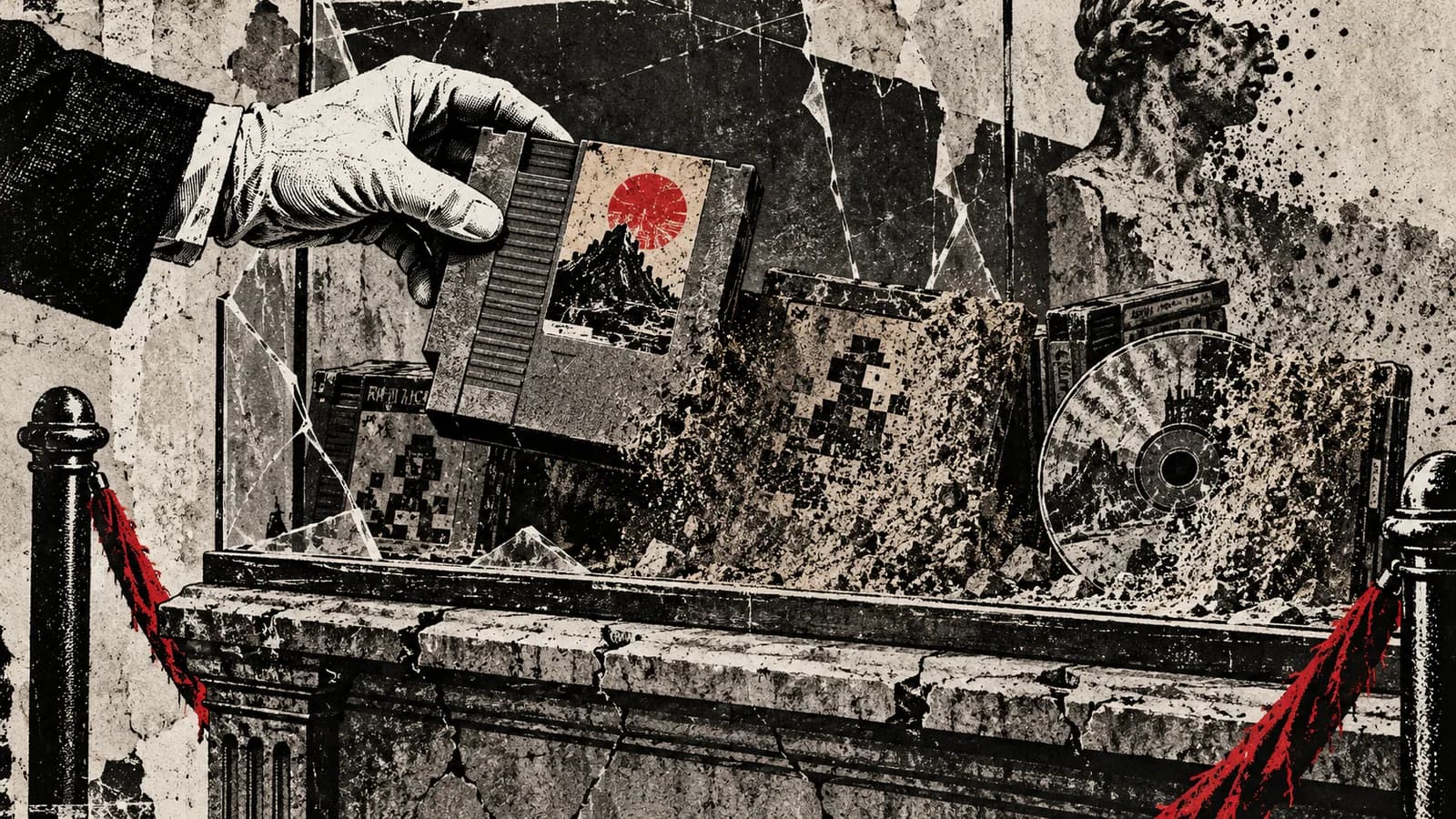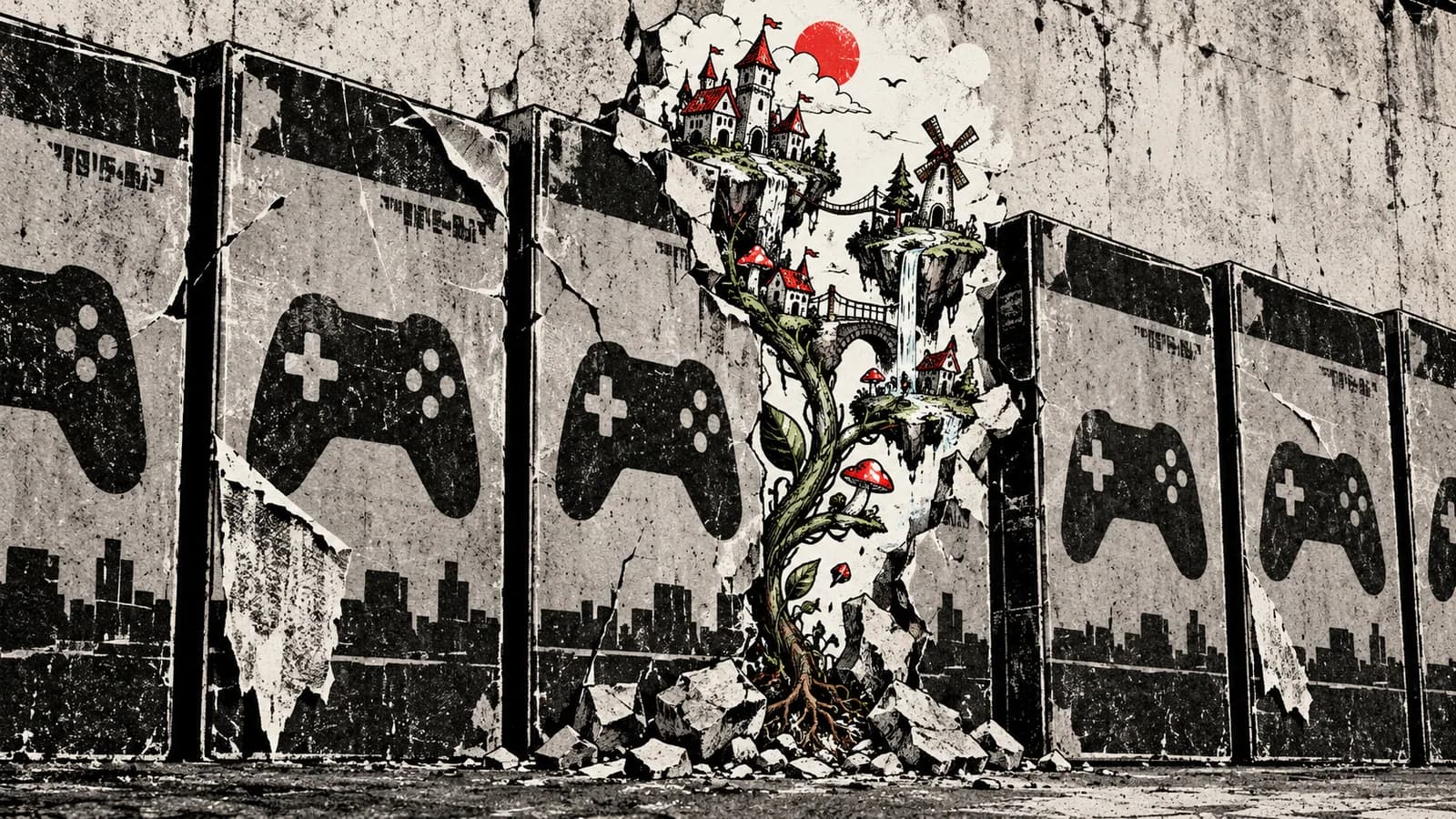
One of the most interesting things a game can do is make a decision that would be difficult to defend in a room full of people trying to approve it.
An unusual visual language. A narrow mechanic explored obsessively. A world that refuses to explain itself immediately. An ending that arrives before the player has exhausted every possible reason to keep paying attention.
Those choices can fail. They can also produce something with a pulse.
Specificity leaves something out
A game with a clear identity will not be for everyone. That is part of having an identity.
If the goal is to remove every possible reason someone might dislike a project, the process can also remove the reasons anybody might love it. Eventually you have a product that is extremely difficult to object to and almost impossible to remember.
Smaller work can have an advantage here: the idea does not necessarily have to justify becoming an entire entertainment ecosystem. It can remain a particular experience for the people who want that experience.
That is a creative possibility, not a guarantee. A small budget does not confer taste, and a large budget does not automatically eliminate it. Romanticizing the size of the team is another way of avoiding a judgment about the game.
Surprise is not a feature count
I am interested in the moment a familiar action behaves in an unfamiliar way. The game teaches you a rule, lets you become comfortable, and then reveals a consequence you had not considered.
That kind of discovery does not require a map the size of a tax jurisdiction. It requires attention to the relationship between the player and the system.
A restrained game can give its best idea enough room to become interesting. A bloated one can surround the same idea with so many obligations that you forget why you liked it.
More content is not always generosity. Sometimes it is an inability to stop adding furniture to a room that already worked.
Discovery still needs help
Making something distinctive does not solve distribution. A good game can struggle to find its audience. Being buried is not proof of poor quality, just as being visible is not proof of greatness.
The useful response is to make the experience legible without sanding off the strange parts. Show what the player actually does. Explain the premise clearly. Give people enough information to decide whether the game is for them.
Players can help by talking specifically about what worked. “You should play this” is enthusiasm. Explaining the moment or mechanic that stayed with you gives someone a reason to care.
Leave room for the odd thing
This is part of what interests me about building Console Series1: games as experiences people can discover and choose, with room for personality.
I do not want every game to compete by becoming larger, longer and harder to leave. I want room for a precise idea delivered with conviction.
The next game that surprises us may not promise to change entertainment forever. It may simply know exactly what it wants to be. That is already more than a lot of very expensive trailers can say.
Twenty years in marketing and design, across industries. Still paying attention. Considerably less patient.
More about me ↗